
明星周边物品

Search documents
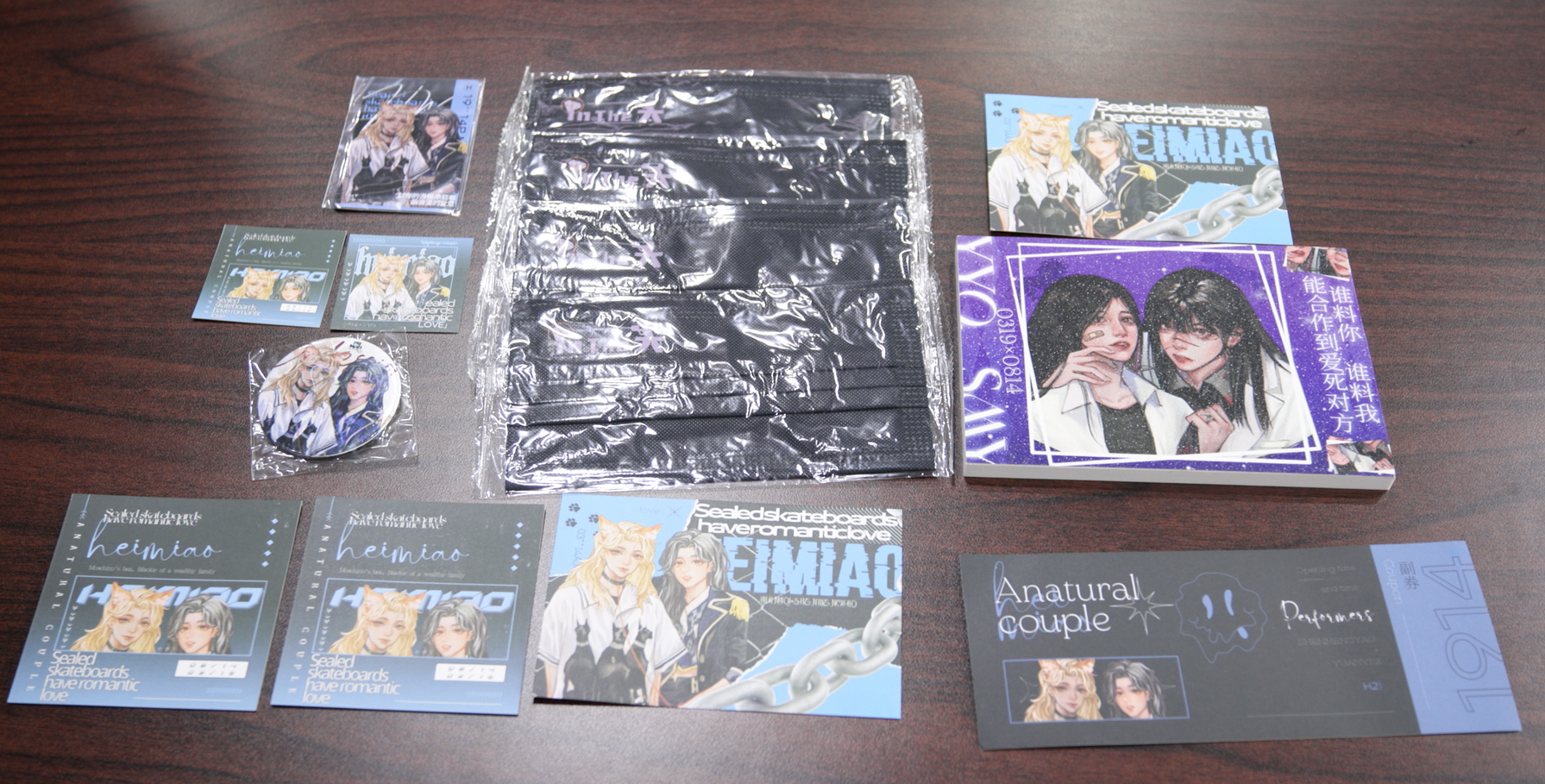
14岁女孩追星一月花费6万多,“在应援团负责人店铺夜间消费”,法院:看似卖“周边物品”,实则变相为明星筹资,判其返还43600元
新浪财经· 2026-01-22 11:21
Group 1 - The article discusses the irrational consumption behavior of underage fans influenced by the "fan circle" culture, leading them to spend real money on idol-related products [3] - A case is presented involving a minor, Xiao Tong, who spent nearly 150,000 yuan on merchandise related to their idol, highlighting the financial implications of such fandom [6] - The court case centers on the validity of contracts in transactions where the seller, Awei, was found to be indirectly raising funds for idol rankings through the sale of merchandise [8] Group 2 - The court ruled that Awei must return 43,600 yuan to Xiao Tong, emphasizing the legal recognition of the exploitation of minors in these transactions [8]

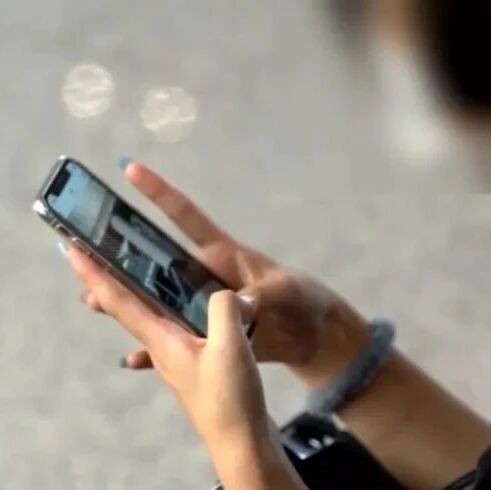
14岁女孩追星一个月消费6万余元 数月消费近15万元
Sou Hu Cai Jing· 2026-01-22 01:11
Group 1 - The article highlights the problematic phenomenon of "fan circles" that lead to irrational spending among underage fans, significantly impacting their financial understanding [2] - A specific case is presented involving a minor, Xiao Tong, who spent nearly 150,000 yuan on merchandise related to idol A, primarily through a store operated by another fan, A Wei [2] - The court case revolves around the validity of the contract between Xiao Tong and A Wei, with the court ruling that A Wei must return 43,600 yuan to Xiao Tong, emphasizing the underlying issue of fundraising for idol rankings disguised as merchandise sales [3] Group 2 - The case illustrates the legal complexities surrounding online transactions involving minors and the implications of such spending on their financial behavior [3] - The court's decision reflects a growing concern over the exploitation of young fans in the idol industry, particularly regarding the commercialization of fan support [3] - The article underscores the need for regulatory measures to protect minors from excessive financial exploitation in the context of fan culture [2][3]
畸形饭圈文化诱导未成年人非理性消费,如何多措并举治理“隐秘的角落”?
Yang Guang Wang· 2026-01-19 10:09
Core Viewpoint - The article discusses the increasing prevalence of underage internet users in the mobile internet era, highlighting the risks associated with their engagement in online fan culture, particularly the financial exploitation of minors through excessive spending on idol-related activities and merchandise [1][6][10]. Group 1: Underage Spending in Fan Culture - Minors are increasingly involved in online fan communities, where spending money on idols is seen as a way to demonstrate loyalty and status, leading to distorted values regarding money [1][6]. - A case study involving a minor named Xiaotong, who spent nearly 150,000 yuan (approximately 21,000 USD) on idol merchandise, illustrates the extreme financial pressures faced by young fans [2][4]. - The court ruled that the contracts for purchases made by Xiaotong were invalid due to her status as a minor and the lack of parental consent, highlighting the legal implications of such transactions [2][4]. Group 2: Psychological and Social Impacts - The fan culture creates a system of pressure where minors feel compelled to spend money to gain acceptance and recognition within their peer groups, leading to potential psychological harm [8][10]. - The phenomenon of "氪金" (spending money) is framed as a necessary action for participation in fan activities, which can lead to emotional distress if the idol faces negative events [15][19]. - The competitive nature of fan communities fosters a sense of obligation to spend, which can result in significant financial and emotional burdens on minors [10][13]. Group 3: Regulatory and Legal Challenges - The article emphasizes the challenges in regulating online fan culture, as behaviors often cross multiple platforms and can be difficult to monitor [24][25]. - Experts suggest that there is a need for clearer legal responsibilities for individuals and organizations that exploit minors in these contexts, as current laws may not adequately address the nuances of online fan interactions [25][27]. - Collaborative efforts among parents, schools, and regulatory bodies are essential to create a safer online environment for minors and to promote rational consumption behaviors [27].
孩子花钱给明星应援支付的钱款能追回吗(以案说法)
Ren Min Ri Bao· 2025-09-17 22:22
Core Points - The case involves a minor, Xiao Tong, who made excessive purchases from a store operated by A Wei, a member of a fan support team for a celebrity, totaling over 60,000 yuan [1] - The court ruled that the contract between Xiao Tong and A Wei was invalid due to Xiao Tong's status as a minor and the lack of consent from her legal guardian [1] - The ruling highlights the responsibility of guardians to monitor minors' online activities and the obligation of service providers to protect minors' rights [2] Summary by Sections - **Legal Context**: The court found that Xiao Tong, being only 14 years old, lacked the legal capacity to engage in the transactions without parental consent, rendering the contract invalid [1] - **Regulatory Framework**: The case references a 2021 directive from the Central Cyberspace Administration of China that prohibits minors from engaging in support and consumption activities related to celebrities [1] - **Responsibility and Liability**: The court determined that A Wei, as the service provider, bore primary responsibility for the invalid contract due to encouraging minors to engage in irrational spending, while Xiao Tong's guardian also had some fault for not adequately supervising her online activities [2] - **Financial Outcome**: The court ordered A Wei to refund approximately 43,600 yuan to Xiao Tong, reflecting a shared responsibility for the situation [2] - **Recommendations**: The ruling emphasizes the need for guardians to closely monitor minors' online spending and for entertainment companies to adhere to legal standards to protect minors [2]