易四方概念车

Search documents
安全做不好,怎敢谈豪华?
虎嗅APP· 2025-09-20 14:20
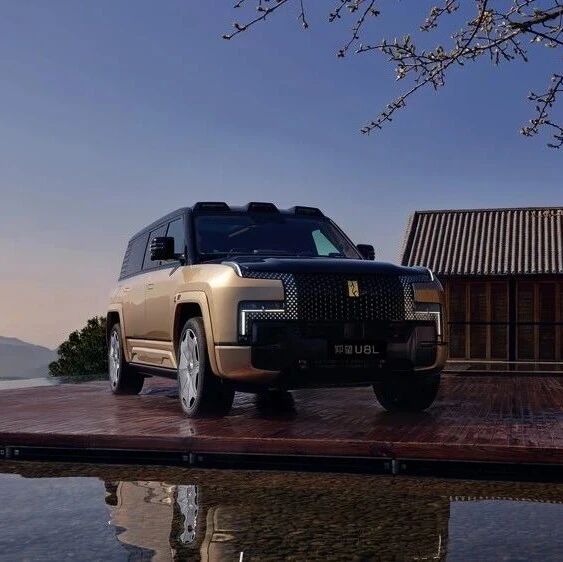
Core Viewpoint - The evolution of luxury cars is fundamentally a pursuit of safety in transportation, with Chinese automakers redefining luxury standards through innovations in safety and technology [3][19]. Group 1: Historical Context of Luxury Cars - Many features now considered standard in vehicles were once exclusive to luxury cars, such as the safety body introduced by Mercedes in 1951 and the three-point seatbelt by Volvo in 1959 [2]. - The history of luxury cars reflects a commitment to safety, with milestones indicating that true luxury must be built on a foundation of respect for life [3]. Group 2: Emergence of Chinese Luxury Brands - Chinese automakers are rapidly advancing in the luxury car market, challenging traditional luxury brands by offering safety, intelligence, and long-range capabilities as standard features [3][19]. - The launch of the Yangwang U8L, priced at 1.28 million yuan, signifies a bold ambition to capture the luxury market with a focus on "top-tier safety" [6][21]. Group 3: Technological Innovations in U8L - The U8L features a full aluminum chassis that enhances safety and reduces weight, with a corrosion resistance rate improved by 60 times compared to traditional steel frames [9]. - The vehicle's design includes a complex connection structure that distributes stress evenly, enhancing safety and stability during extreme driving conditions [12]. Group 4: Safety Features and Testing - The U8L is equipped with advanced safety features, including carbon-ceramic brake discs and 14 airbags, aimed at providing comprehensive passive safety [14][16]. - Public tests demonstrated the U8L's ability to withstand extreme conditions, such as a 12-ton weight test, showcasing its structural integrity and safety performance [13]. Group 5: Consumer Perception and Market Impact - Consumer surveys indicate that safety features are a primary concern for U8 owners, surpassing traditional factors like space and brand reputation [16][19]. - The U8L's introduction is seen as a challenge to established luxury brands, as it sets a new benchmark for safety and luxury in the automotive industry [21][25].


三问三解 | 线控技术失效了怎么办?
Zhong Guo Zhi Liang Xin Wen Wang· 2025-07-02 05:08
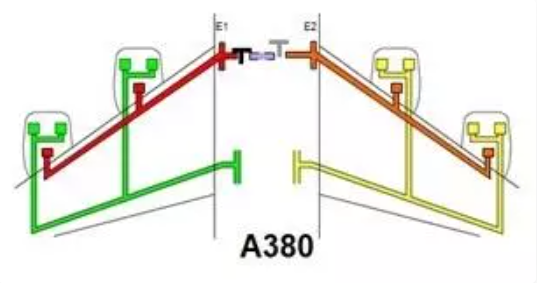
Core Concept - The article discusses the evolution and significance of drive-by-wire technology in the automotive industry, highlighting its advantages over traditional mechanical systems and its applications in modern vehicles [1][3][4]. Group 1: Definition and Origin of Drive-by-Wire Technology - Drive-by-wire technology refers to the replacement of traditional mechanical connections with electronic signals for vehicle control, enhancing precision and responsiveness [1][3]. - This technology originated from the aviation sector in the 1980s, specifically from fly-by-wire systems, which aimed to reduce weight and improve control capabilities [1][3]. Group 2: Applications of Drive-by-Wire Technology - The technology has expanded from initial applications in anti-lock braking systems (ABS) to include steering, throttle, and suspension systems, collectively known as drive-by-wire chassis technology [3][4]. - Examples of drive-by-wire systems include brake-by-wire, steer-by-wire, and electronic parking brakes, which replace traditional mechanical components with electronic controls [4][6][10][12]. Group 3: Advantages of Drive-by-Wire Technology - Drive-by-wire systems simplify mechanical structures, improve vehicle response times, and allow for more flexible control strategies, paving the way for advanced driver assistance systems [3][4]. - The modular design enabled by drive-by-wire technology offers cost-effective solutions for automotive manufacturing [3][4]. Group 4: Redundancy and Safety Measures - The article emphasizes the importance of redundancy in drive-by-wire systems to ensure safety in case of component failures, with examples such as the iBooster brake system and steer-by-wire systems employing multiple sensors for data validation [17][18]. - In extreme failure scenarios, these systems can still function through backup mechanisms, ensuring that vehicles can be safely controlled even when primary systems fail [17][18].