晕车模式

Search documents
为了不让你晕车,苹果小米们有多拼?
创业邦· 2025-12-15 03:09
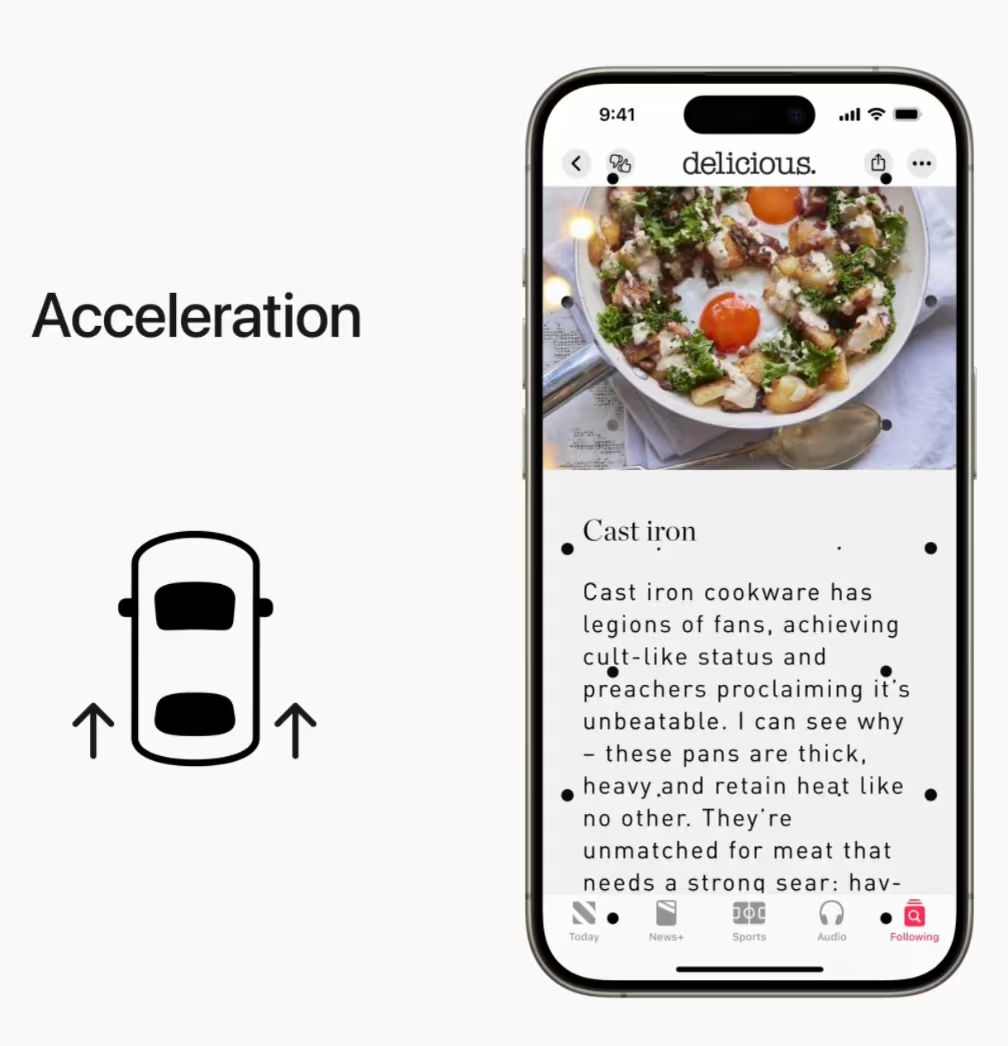
Core Viewpoint - The article discusses the emergence and functionality of "motion sickness mode" in smartphones, particularly focusing on how it aims to alleviate discomfort for users who experience motion sickness while using their devices in vehicles [6][7]. Group 1: Understanding Motion Sickness Mode - Motion sickness occurs due to conflicting signals between the inner ear and the eyes, leading to symptoms like nausea and cold sweats when users focus on a stationary screen while in a moving vehicle [9]. - Apple was the first to introduce this feature with "Vehicle Motion Notification" in iOS 18, which visually represents vehicle movement on the screen to help mitigate dizziness [9][12]. - Other smartphone manufacturers have followed suit, implementing similar features under various names, such as "Motion Sickness Relief Display" by Honor and "Motion Visual Aid" by Vivo, all aiming to provide dynamic visual feedback during vehicle motion [12][18]. Group 2: Technical Implementation - The implementation of motion sickness mode involves three main steps: sensing the vehicle's movement, processing the data to create a motion model, and displaying visual cues on the screen [13][17]. - Different manufacturers have varying approaches to sensitivity and responsiveness in detecting vehicle motion, with some opting for more aggressive detection algorithms [16][24]. - Xiaomi stands out by integrating this feature into both its smartphones and electric vehicles, adjusting driving dynamics to reduce motion sickness [27]. Group 3: Effectiveness and User Experience - The effectiveness of motion sickness mode varies; it can significantly help those with mild motion sickness but may not fully alleviate symptoms for severe cases [31]. - Users are advised to start with moderate settings for visual cues to avoid overwhelming their senses, finding a balance that minimizes discomfort while still providing necessary feedback [31][32]. - The article suggests that for frequent commuters, automatic activation of this mode can enhance user experience by reducing the need for manual adjustments [28]. Group 4: Industry Trends - The introduction of motion sickness mode reflects a broader trend in the smartphone industry, shifting focus from hardware specifications to enhancing user experience by addressing overlooked pain points [34][37]. - As manufacturers continue to innovate in this area, features like motion sickness mode may become critical factors in consumer decision-making when choosing devices and vehicles [37].




手机厂商集体卷起「晕车模式」:苹果是鼻祖,却被小米们玩出了花
3 6 Ke· 2025-12-09 10:23
Core Viewpoint - The introduction of "motion sickness mode" by smartphone manufacturers aims to alleviate discomfort for users who experience motion sickness while using their devices in vehicles, with various brands implementing similar features to enhance user experience [2][15]. Group 1: Motion Sickness Mode Overview - Motion sickness mode was first popularized by Apple, which introduced "vehicle motion alerts" in iOS 18, using dynamic visual cues to help users align their visual and vestibular signals [2][4]. - Android manufacturers have followed suit, with brands like Honor, Vivo, OPPO, and Xiaomi offering their versions of motion sickness modes, all featuring dynamic visual indicators that respond to vehicle movement [4][10]. - The functionality relies on sensors within the devices to detect when a user is in a moving vehicle, adjusting the display accordingly to reduce the sensation of motion sickness [5][8]. Group 2: Technical Mechanism - The process of motion sickness mode can be categorized into three steps: perception, judgment, and presentation [5][9]. - The perception step involves the device's sensors detecting movement and determining if the user is in a vehicle, while the judgment step processes this data to create visual indicators that correspond to the vehicle's motion [8][9]. - The presentation step varies by manufacturer, with different visual strategies employed to ensure the indicators are effective without overwhelming the user [9][10]. Group 3: Differentiation Among Manufacturers - Xiaomi stands out by integrating motion sickness alleviation features into both its smartphones and electric vehicles, creating a comprehensive user experience [10][11]. - Other manufacturers focus primarily on smartphone features, with varying degrees of aggressiveness in their motion sickness mode implementations, affecting user experience and comfort levels [11][12]. - The differences in approach highlight a trend where manufacturers are increasingly prioritizing user comfort and experience over mere technical specifications [15][17]. Group 4: Market Implications - The emergence of motion sickness mode reflects a broader shift in the smartphone industry towards addressing previously overlooked user pain points, indicating a competitive landscape focused on enhancing user experience [15][17]. - As manufacturers continue to innovate in this area, motion sickness mode may become a significant factor in consumer decision-making when selecting devices and vehicles [17].