人车家一体

Search documents
手机厂商集体卷起「晕车模式」:苹果是鼻祖,却被小米们玩出了花
3 6 Ke· 2025-12-09 10:23
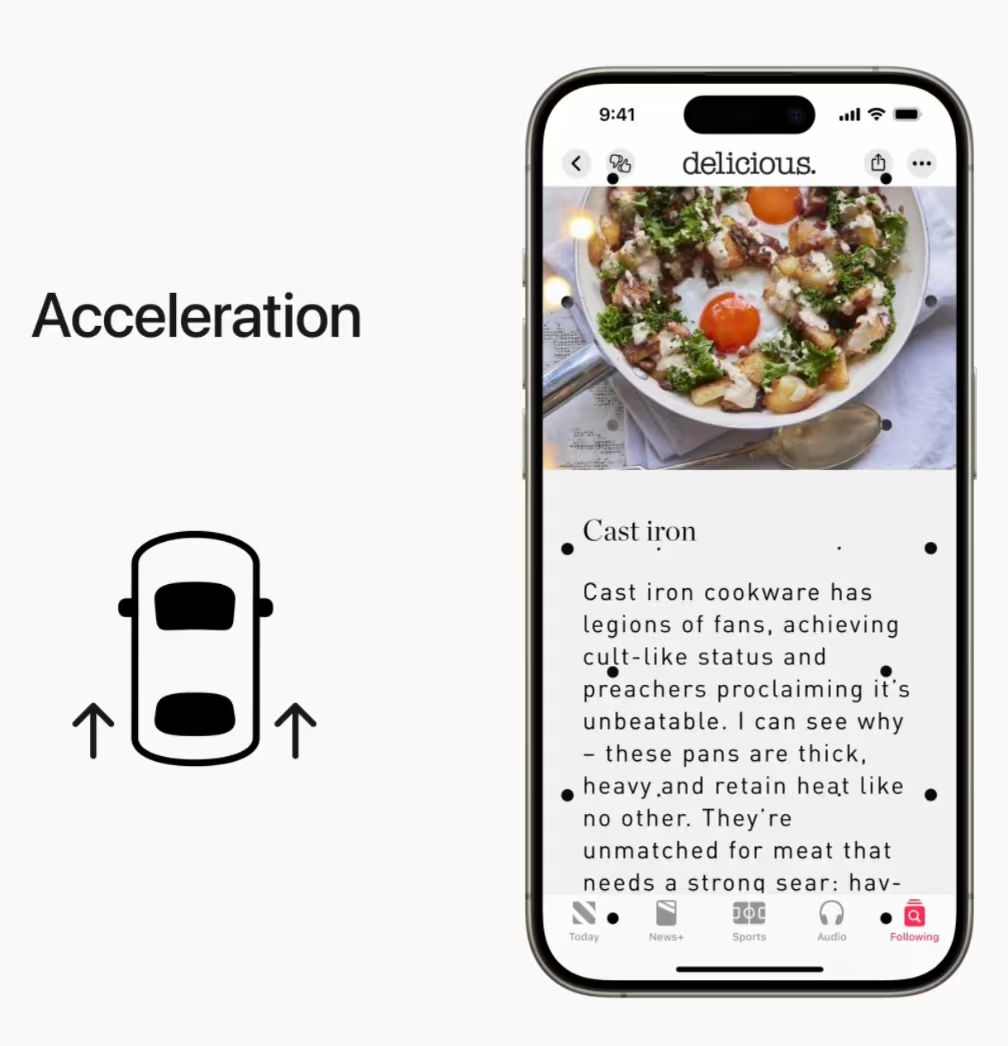
Core Viewpoint - The introduction of "motion sickness mode" by smartphone manufacturers aims to alleviate discomfort for users who experience motion sickness while using their devices in vehicles, with various brands implementing similar features to enhance user experience [2][15]. Group 1: Motion Sickness Mode Overview - Motion sickness mode was first popularized by Apple, which introduced "vehicle motion alerts" in iOS 18, using dynamic visual cues to help users align their visual and vestibular signals [2][4]. - Android manufacturers have followed suit, with brands like Honor, Vivo, OPPO, and Xiaomi offering their versions of motion sickness modes, all featuring dynamic visual indicators that respond to vehicle movement [4][10]. - The functionality relies on sensors within the devices to detect when a user is in a moving vehicle, adjusting the display accordingly to reduce the sensation of motion sickness [5][8]. Group 2: Technical Mechanism - The process of motion sickness mode can be categorized into three steps: perception, judgment, and presentation [5][9]. - The perception step involves the device's sensors detecting movement and determining if the user is in a vehicle, while the judgment step processes this data to create visual indicators that correspond to the vehicle's motion [8][9]. - The presentation step varies by manufacturer, with different visual strategies employed to ensure the indicators are effective without overwhelming the user [9][10]. Group 3: Differentiation Among Manufacturers - Xiaomi stands out by integrating motion sickness alleviation features into both its smartphones and electric vehicles, creating a comprehensive user experience [10][11]. - Other manufacturers focus primarily on smartphone features, with varying degrees of aggressiveness in their motion sickness mode implementations, affecting user experience and comfort levels [11][12]. - The differences in approach highlight a trend where manufacturers are increasingly prioritizing user comfort and experience over mere technical specifications [15][17]. Group 4: Market Implications - The emergence of motion sickness mode reflects a broader shift in the smartphone industry towards addressing previously overlooked user pain points, indicating a competitive landscape focused on enhancing user experience [15][17]. - As manufacturers continue to innovate in this area, motion sickness mode may become a significant factor in consumer decision-making when selecting devices and vehicles [17].



雷军回应小米重回手机出货量第一;多地延长房贷年限最高至68岁…
Sou Hu Cai Jing· 2025-04-29 01:43
Group 1 - Xiaomi's smartphone shipment reached 13.3 million units in Q1 2025, a 40% year-on-year increase, regaining the top position in market share at 19% after ten years [1] - The company attributes its success to government subsidies and a strategic focus on integrated products across vehicles and home appliances [1] Group 2 - Seres is applying for a Hong Kong IPO, projecting a revenue of 145.1 billion yuan in 2024, representing a 305.5% year-on-year growth, with a gross margin of 23.8% and a net profit of 5.9 billion yuan [3] - The IPO aims to raise funds, with 70% allocated for R&D, 20% for marketing and overseas sales, and 10% for operational expenses [3] Group 3 - Douyin has introduced regulations to combat "malicious marketing accounts," targeting ten types of violations and implementing a "health score" system for account management [4] Group 4 - Pop Mart's app topped the US App Store shopping chart, with significant demand in various international locations, leading to a market capitalization of 231.39 billion HKD, surpassing luxury brand Kering [5] Group 5 - Several small and medium-sized banks have lowered their fixed deposit rates, with some rates falling below those of larger banks, indicating a trend of interest rate inversion for different deposit terms [6] Group 6 - In Q1 2025, China's gold ETF holdings increased by 23.47 tons, a 327.73% year-on-year growth, bringing the total holdings to 138.21 tons by the end of March [8]