普丽妍童颜针

Search documents
新氧又上“黑名单”,医美再现定价权之争
经济观察报· 2025-12-01 07:36
Core Viewpoint - The conflict between medical beauty institutions and the upstream company Puli Yan is fundamentally rooted in pricing discrepancies, with institutions selling Puli Yan's products at significantly lower prices than the official guidance, disrupting the pricing structure [1][2][6]. Pricing Dispute - The dispute escalated as Puli Yan announced a blacklist of 79 non-official cooperating medical institutions, including 46 clinics under Xinyang, labeling them as non-cooperative [2]. - Xinyang's pricing strategy exemplifies the issue, with its clinics selling Puli Yan's products at 5999 yuan per unit, approximately 60% lower than the official guidance price [3][6]. Market Dynamics - The conflict highlights a broader challenge in the medical beauty industry regarding the redistribution of interests between upstream manufacturers and downstream institutions [3]. - Puli Yan's concerns include the lack of formal cooperation and training for medical staff at these institutions, which it claims undermines product integrity [5]. New Pricing Strategies - Xinyang has introduced products like "Miracle Youth 3.0" at 2999 yuan per unit, significantly undercutting market prices, which typically exceed 10,000 yuan [8]. - The high profit margins in the medical beauty industry, with some products having gross margins as high as 90%, provide room for Xinyang to implement its low-price strategy [8][9]. Industry Challenges - The prevalence of counterfeit and substandard products in the market, with nearly two-thirds being non-compliant, has created a demand for more affordable options [9]. - Xinyang aims to democratize medical beauty consumption by reducing costs through direct partnerships with manufacturers and streamlining operations [9]. Competitive Landscape - Xinyang's approach has faced criticism from other manufacturers, who argue that its pricing undermines the market and raises concerns about product authenticity and safety [11][12]. - Despite the challenges, Xinyang continues to assert its right to set prices independently, likening its product usage to a restaurant's choice of ingredients [12]. Financial Performance - Xinyang has reported ongoing financial losses, particularly in its brand medical center expansion, indicating the difficulties of transitioning to a self-operated model while maintaining profitability [12].



新氧又上黑名单,医美再现定价权之争
Jing Ji Guan Cha Wang· 2025-11-29 11:15
Core Viewpoint - The conflict between New Oxygen and upstream company Puli Yan regarding the pricing and distribution of the "Tongyan Needle" has intensified, highlighting the challenges of profit distribution within the medical beauty industry [2][5]. Group 1: Conflict Background - Puli Yan has listed 79 medical institutions, including 46 New Oxygen clinics, as unauthorized and non-cooperative, claiming they disrupt the pricing system by selling products below the official guidance price [2][3]. - New Oxygen responded by asserting that all products are legally sourced and that their clinics operate within the law, with qualified medical personnel [3][10]. Group 2: Product Details - The "Tongyan Needle," officially known as "Poly-L-Lactic Acid (PLLA) Facial Filler," is designed to stimulate collagen regeneration for facial contouring and wrinkle improvement [4]. - Puli Yan is one of several companies authorized to produce and sell this product in China, with others including Aimeike and Shengboma [4]. Group 3: Pricing Discrepancies - New Oxygen's pricing strategy significantly undercuts Puli Yan's guidance, with prices for the Tongyan Needle at New Oxygen clinics being approximately 60% lower than the official price [5][6]. - For instance, New Oxygen's "Miracle Tongyan 1.0" is priced at 5999 yuan per unit, while other institutions have sold it for as low as 4599 yuan, which is about 70% below the guidance price [5][6]. Group 4: Market Dynamics - The medical beauty industry is characterized by high profit margins, with upstream manufacturers historically controlling prices, leading to margins as high as 90% [7][8]. - New Oxygen aims to disrupt this model by reducing costs through supply chain integration and offering lower prices to attract consumers, thereby democratizing access to medical beauty services [9][10]. Group 5: Business Model and Challenges - New Oxygen's business model focuses on lowering customer acquisition costs and compressing high margins from upstream suppliers, with a goal of making medical beauty services more accessible [9][10]. - Despite the aggressive pricing strategy, New Oxygen has faced financial challenges, reporting losses in recent quarters as it expands its self-operated medical beauty centers [11][12].
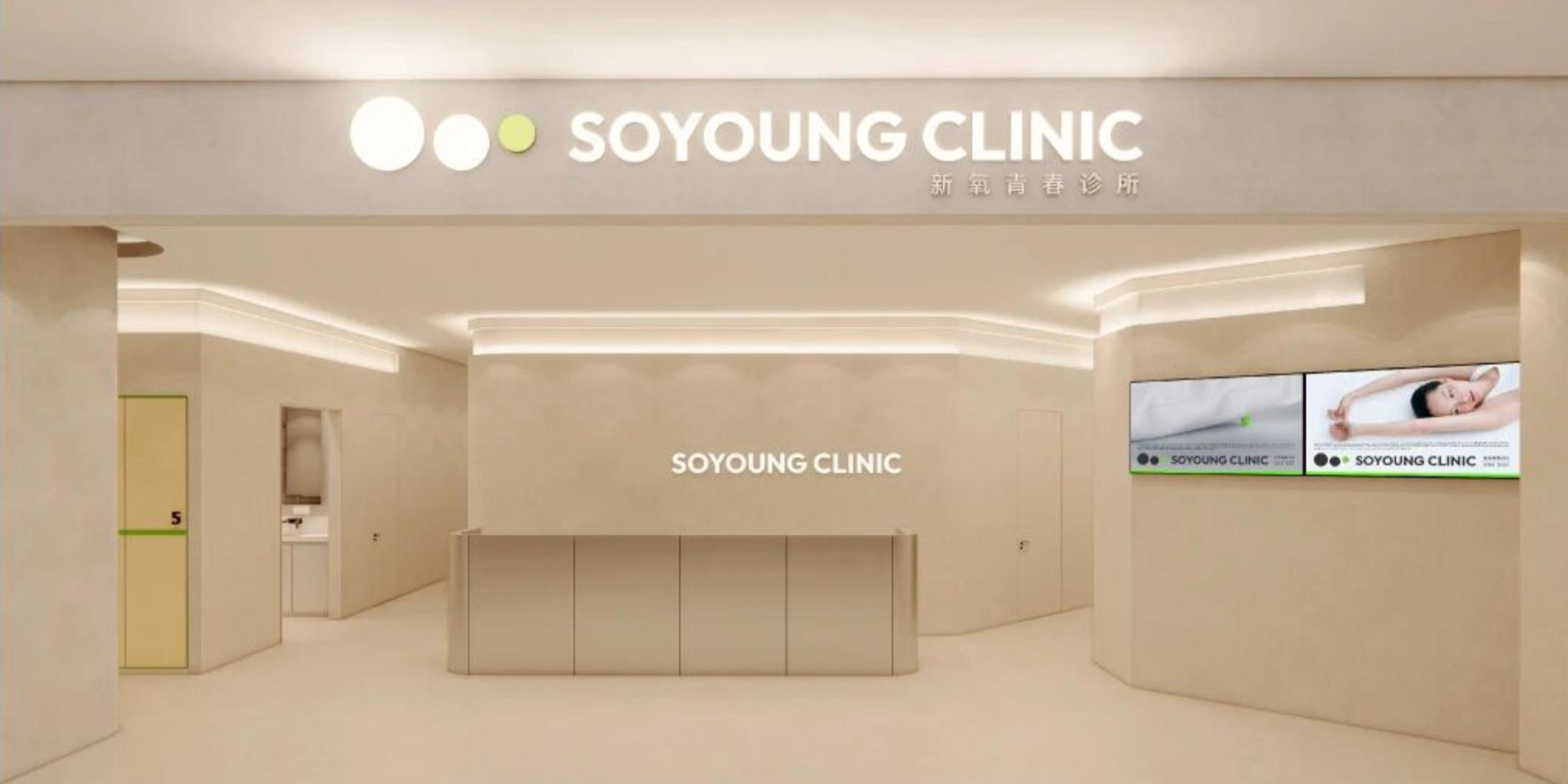
新氧推出“奇迹童颜3.0”定价2999元,CEO金星:医美行业未必非要暴利
Xin Lang Ke Ji· 2025-09-23 11:08
Core Viewpoint - New Oxygen Technology has launched the Miracle Youth Needle 3.0 at a price of 2999 yuan, marking the lowest price in the history of youth needles, aiming to make aesthetic medical treatments more affordable for consumers [1] Group 1: Product Launch and Pricing Strategy - The price of youth needles in the market typically ranges from 13,000 to 24,000 yuan, while New Oxygen's previous versions were priced at 4999 yuan and 5999 yuan, significantly lower than competitors [1] - The CEO of New Oxygen stated that high prices in the mainland market are due to high procurement costs and upstream manufacturers controlling retail prices, and the company aims to challenge the notion that the aesthetic medical industry must rely on high profits [1] Group 2: Supplier Relations and Challenges - New Oxygen faced pressure from upstream manufacturers, including legal threats, when it attempted to lower prices with its earlier versions, which led to conflicts over pricing and product authenticity [1] - The company has now partnered with Xihong Bio, which does not impose price controls, to ensure a stable supply chain and maintain quality service for consumers [2] Group 3: Business Expansion and Operational Insights - New Oxygen has opened 37 clinics since May 2023, with plans to exceed 50 by the end of 2025 and aims for a long-term goal of establishing a presence in 100 cities [2] - Currently, the clinic operations are not profitable due to the costs associated with establishing a central support system, but the individual clinics have achieved monthly profitability, indicating potential for future overall profitability [2]
童颜针没有护城河:围猎圣博玛的,不只有新氧
阿尔法工场研究院· 2025-07-22 11:53
Core Viewpoint - The competition in the "童颜针" (youthful needle) market is intensifying, with nine products already approved for sale and over ten more in the application process, leading to a saturated market with limited differentiation among products [1][23]. Market Expansion - The "童颜针" market is expanding with new entrants, including 康哲药业's "丽真然" and 上海爱唯缇's "Olidia," which received approval from the National Medical Products Administration [3][22]. - The entry of these new players is pushing the already fierce market competition to new heights [4]. Pricing Strategies - The first approved "童颜针," 艾维岚, is facing challenges in maintaining its high price of 18,800 yuan due to competitive pricing strategies from other players, such as 新氧's "奇迹童颜" project priced at 5,999 yuan [5][11]. - The price of 艾维岚 has reportedly dropped to around 12,000 yuan by 2023, with expectations of further declines as competition increases [27]. Product Lifecycle and Market Dynamics - The market dynamics suggest that price reductions are inevitable due to the competitive landscape and the typical product lifecycle in the medical aesthetics industry, where products often experience price drops within 3 to 5 years post-launch [25][39]. - Historical examples, such as 薇旖美, illustrate that products can see significant price declines shortly after their introduction, indicating a trend that 艾维岚 may also face [25][26]. Regulatory Environment - The "童颜针" is classified as a Class III medical device in China, which requires strict regulatory compliance, impacting market entry and competition [34][35]. - The ability to obtain this classification is crucial for companies to participate in the market and secure high profit margins [35][37]. Brand and Marketing Strategies - Companies like 高德美's "塑妍萃" have successfully established strong brand identities and marketing strategies, allowing them to maintain higher price points despite market saturation [40][41]. - Effective brand building and storytelling are essential for sustaining product value and consumer interest in a competitive market [42][43]. Future Outlook - The future of companies like 圣博玛, which relies heavily on its flagship product 艾维岚, is uncertain as they face increasing competition and pressure to diversify their product offerings [39][40]. - The medical aesthetics market in China is projected to grow significantly, but companies must adapt their strategies to navigate the challenges posed by rapid competition and changing consumer preferences [35][39].