
普惠型小微贷款

Search documents
村镇银行加速瘦身提质:年内超200家村镇银行“消失” 兰州银行一年内三度“村改支”
Mei Ri Jing Ji Xin Wen· 2025-12-24 15:04
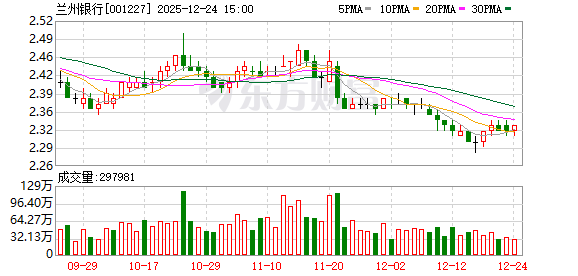
Core Viewpoint - Lanzhou Bank is actively pursuing the acquisition and restructuring of its rural banks, marking a significant trend in the industry towards integrating rural financial institutions into larger banking structures to enhance service quality and risk management [6][12][14]. Group 1: Company Actions - In November, Lanzhou Bank's shareholders approved the acquisition of Qingcheng County Jincheng Rural Bank to establish a branch, marking at least the fourth such acquisition since 2024 [2][7]. - The bank has accelerated its integration efforts, having previously acquired Yongjing County Jincheng Rural Bank and Gansu Xigu Jincheng Rural Bank, with approvals for these acquisitions received in December 2024 [7][10]. - The latest acquisition of Qingcheng County Jincheng Rural Bank further expands Lanzhou Bank's resource integration through the "village-to-branch" model, which involves cash purchases of shares and converting rural banks into branches [10][14]. Group 2: Financial Performance - As of the end of Q3 2025, Lanzhou Bank reported total assets of 523.36 billion yuan, a 7.62% increase from the beginning of the year [11]. - The bank's operating income for the first three quarters was 5.923 billion yuan, a decrease of 2.14% year-on-year, while net profit attributable to shareholders was 1.504 billion yuan, an increase of 0.65% [11]. - The bank's non-performing loan ratio stood at 1.8% as of September 2025, a slight decrease of 0.03 percentage points from the beginning of the year, but still relatively high among A-share listed banks [11]. Group 3: Industry Trends - The restructuring of rural banks is becoming a mainstream approach in the industry, with over 200 rural banks approved for merger or dissolution, driven by policy initiatives aimed at risk mitigation and quality enhancement [6][12]. - Major state-owned banks, including ICBC and Agricultural Bank of China, have begun participating in the acquisition of rural banks, indicating a shift in the landscape of rural finance [12][13]. - The "village-to-branch" model is seen as a way to optimize resources and enhance the sustainability of financial services, with the aim of supporting rural revitalization strategies [14].

金融机构稳健运行 稳实体防风险效果显现
Xin Hua Wang· 2025-08-12 06:20
Core Insights - The banking and insurance sectors in China have shown stable performance in the first half of 2022, with a significant increase in loans and asset disposals, supporting economic growth and stability [1][2][3] Group 1: Support for Economic Growth - In the first half of 2022, RMB loans increased by 919.2 billion compared to the previous year, with new bond investments by banking and insurance institutions reaching 6.6 trillion, an increase of 3.3 trillion year-on-year [1] - By the end of June, inclusive small and micro loans grew by 22.6%, indicating a continued decline in comprehensive financing costs [1][3] - Manufacturing loans increased by 3.3 trillion, with high-tech manufacturing loans growing by 28.9% year-on-year, reflecting support for economic transformation and green initiatives [1] Group 2: Financial Risk Control - The banking sector disposed of 1.41 trillion in non-performing assets in the first half of 2022, an increase of 219.7 billion year-on-year, while shadow banking activities were reduced, with entrusted and trust loans decreasing by 380.6 billion [2] - By the end of the second quarter, commercial banks had a provision coverage ratio of 203.8% and a capital adequacy ratio of 14.87%, indicating strong risk resilience [2] - Insurance companies maintained an average comprehensive solvency adequacy ratio of 224.2%, reflecting their capacity to withstand financial risks [2] Group 3: Support for Small and Micro Enterprises - As of the end of June, the total balance of loans to small and micro enterprises reached 55.84 trillion, with inclusive small and micro enterprise loans at 21.77 trillion, growing at a rate of 22.6%, which is 11.69 percentage points higher than the average loan growth rate [3] - In response to challenges faced by small and micro enterprises due to the pandemic, the China Banking and Insurance Regulatory Commission (CBIRC) implemented 42 policies to support these businesses, resulting in significant loan increases in May and June [3][4] - The CBIRC plans to continue stabilizing the loan supply to small and micro enterprises, enhancing service quality and addressing information asymmetry between banks and enterprises [4]