
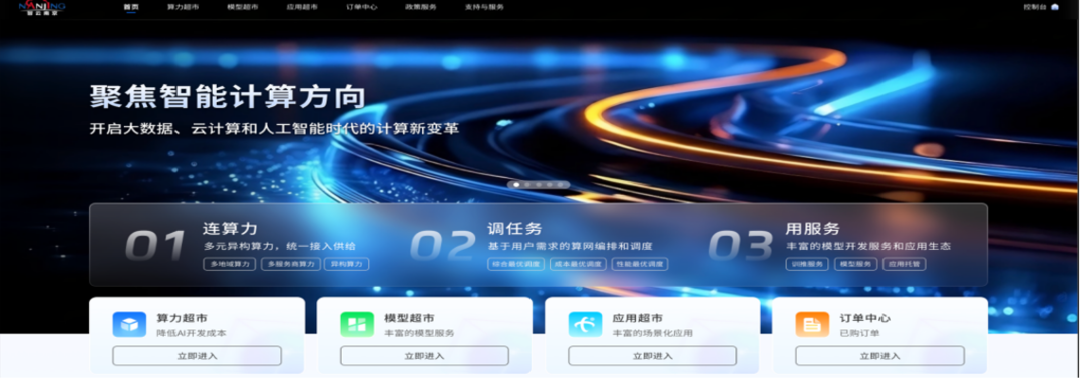
智云南京

Search documents
以“国云”之力,南京电信赋能千行百业迎来“智云时刻”
Yang Zi Wan Bao Wang· 2026-01-15 04:59
Core Insights - The article highlights the transformative impact of digital technology in Nanjing, emphasizing the role of the "Smart Cloud Nanjing" platform by China Telecom in driving the digital upgrade across various industries [1][2]. Group 1: Digital Transformation - "Smart Cloud Nanjing" serves as a key driver for digital transformation, moving beyond mere cloud tools to provide comprehensive solutions tailored to industry needs [4]. - The platform aims to break down barriers in traditional industries by integrating digital technology into the entire production cycle, enhancing operational efficiency [2][3]. Group 2: Industrial Empowerment - The platform has enabled significant advancements in local industries, such as the establishment of a 5G-connected dairy factory that produces 20,000 cups of milk per hour, showcasing the efficiency gains from digital integration [2]. - "Smart Cloud Nanjing" supports the implementation of AI-driven quality control systems in manufacturing, improving product quality through data algorithms rather than human judgment [3]. Group 3: Infrastructure and Security - The foundation of "Smart Cloud Nanjing" is built on the "National Cloud" infrastructure, which features a robust four-tier computing system and a comprehensive security framework, ensuring compliance and performance for high-end industrial applications [3][5]. - The platform has successfully integrated advanced industrial software, such as Dassault Systemes' 3DEXPERIENCE, into its cloud services, establishing a benchmark for high-end manufacturing cloud solutions [5]. Group 4: Future Mobility and AI Services - The platform is also focused on developing a unified "traffic brain" for low-altitude economic management, facilitating applications like drone logistics and emergency response [6]. - "Smart Cloud Nanjing AI STORE" offers a marketplace for AI resources, making advanced computing and AI capabilities accessible to small and medium enterprises, thus fostering innovation [9]. Group 5: Sustainable Development - The initiative emphasizes green and sustainable development by implementing energy-efficient practices in its computing infrastructure, aligning digital economic growth with environmental goals [9]. - The platform is building a comprehensive service system that supports data processing and application across various industries, enhancing the value of data as a core production element [10][11].


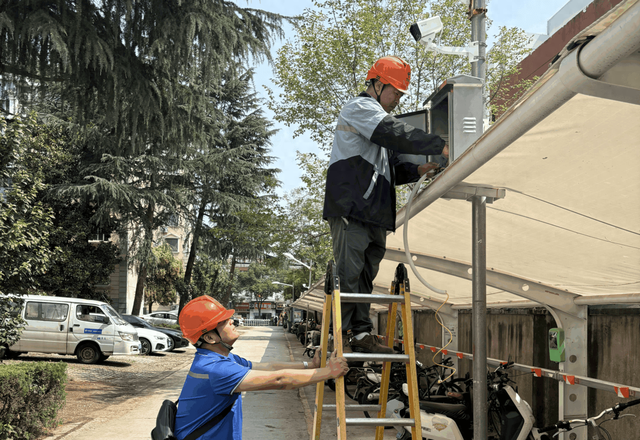
慧“眼”识全城,电信“智云南京”为城乡拉起数字防护“大小网”
Xin Lang Cai Jing· 2025-12-22 04:57
Core Viewpoint - The article discusses the implementation of "Smart Nanjing" by Nanjing Telecom, which aims to enhance urban safety through a digital transformation that integrates AI monitoring systems for proactive safety measures and efficient governance [1][3]. Group 1: Smart Safety Systems - "Smart Nanjing" acts as a "safety nervous system" for the city, connecting various safety needs and transitioning from passive responses to proactive prevention [1][3]. - The collaboration between the "Big Sky Net" and "Small Sky Net" creates a comprehensive safety network that covers urban and rural areas, addressing safety issues such as frequent electric bike thefts and helmet usage among rural residents [1][4]. Group 2: AI Monitoring and Data Integration - The launch of "Small Sky Net" in October 2025 has significantly reduced electric bike thefts through AI monitoring and voice reminders, enhancing residents' awareness of traffic safety [3][5]. - The integration of AI technology into traditional monitoring systems allows for real-time alerts and a shift from human patrols to data-driven governance, improving efficiency and response times [5][7]. Group 3: Community Engagement and Feedback - The system enables residents to report safety hazards via mobile phones, creating a feedback loop for prompt action and resolution of issues, thus enhancing community safety [10][12]. - The initiative promotes a collaborative approach to safety governance, transforming it from a police-centric model to a community-involved effort, thereby fostering a sense of shared responsibility [12]. Group 4: Future Prospects - The digital safety network is expected to evolve, incorporating more public service functions and becoming a foundational element for urban governance, emphasizing the importance of safety in enhancing quality of life [12].
一网”兜起大小事,“一算”驱动未来城:智云南京上线重塑“城市大管家
Yang Zi Wan Bao Wang· 2025-12-02 05:55
Core Insights - The article discusses the launch of "Smart Cloud Nanjing," a new urban information service brand aimed at enhancing urban governance through AI and data integration [1][8] - The initiative is part of China Telecom's strategy to transform urban management from a fragmented approach to a more integrated and intelligent system [4][8] Group 1: Smart Cloud Nanjing Overview - "Smart Cloud Nanjing" was officially launched on November 12, focusing on AI ubiquity, accessible computing power, and intelligent governance [1] - The service model aims to transition Nanjing from a digital city to a smart city, enhancing governance efficiency and citizen engagement [1][4] Group 2: Integration and Efficiency - The initiative integrates 36 citizen service channels into a unified platform, improving response times and reducing bureaucratic delays [2][4] - By breaking down information silos, "Smart Cloud Nanjing" enables real-time data sharing among various government departments, enhancing collaborative governance [4][8] Group 3: Technological Innovations - The platform utilizes advanced data processing capabilities, including a "Star Sea" data intelligence center that aggregates high-quality data for better decision-making [4][5] - AI applications, such as the "AI Cloud Steward," provide 24/7 support and automate various administrative tasks, improving service delivery [5][7] Group 4: Future Directions - The initiative aims to expand its model beyond Jiangning District to other areas in Nanjing, promoting a more resilient and sustainable urban environment [9] - The focus is on evolving from "perceptual intelligence" to "cognitive intelligence," enhancing the overall quality of urban governance [9]
