智能滑雪模拟器

Search documents
从“猫冬”到“忙冬” 中国冰雪经济潜力十足
Zhong Guo Jing Ji Wang· 2026-02-06 07:58
Core Insights - The "ice and snow economy" in China is rapidly evolving, driven by the upcoming 2026 Milan-Cortina Winter Olympics, showcasing new economic dynamics across various sectors [3][4] - The transformation from "cold resources" to "hot economy" is evident, with regions like Northeast China experiencing a surge in winter tourism, leading to growth in local service industries [3][4] Industry Development - A comprehensive industrial chain is forming around the "ice and snow economy," transitioning from reliance on imported ski equipment to a significant market share of domestically produced ski gear [3] - Technological advancements are enhancing the competitiveness of China's ice and snow economy, with innovations such as smart ski simulators and big data analysis for winter sports [3] Economic Impact - The spillover effects of the "ice and snow economy" are fostering interconnected development across various industries, including transportation infrastructure improvements and the cultivation of sports management talent [4] - The cultural shift towards ice and snow activities is creating a robust foundation for the economy, with increasing participation from families and youth training programs [4]


冰雪经济突破万亿规模,产业链创新激活市场新增长极
Yang Zi Wan Bao Wang· 2025-12-11 10:42
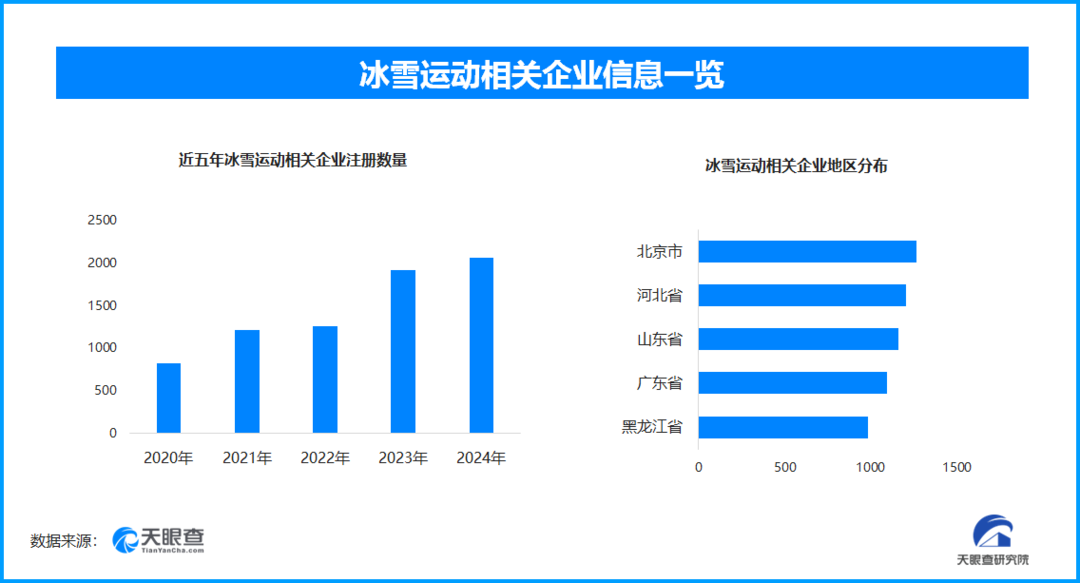
Group 1 - The core viewpoint of the article highlights the significant growth of China's ice and snow industry, which is projected to exceed 1 trillion yuan by 2025, achieving an average annual growth rate of over 26% from 2015 to 2025 [1] Group 2 - The ice and snow economy is a comprehensive economic system that integrates tourism, culture, and equipment, with 292 million participants expected in the 2024-2025 season, representing a participation rate of 20.61%, an increase of approximately 27.44 million from the previous season [2] - The consumption scale related to ice and snow sports is projected to exceed 187.5 billion yuan in the 2024-2025 season, with a year-on-year growth of over 25% [2] - The core consumer group at ski resorts is "parent-child families," accounting for 54% of consumption, while the "new generation" of consumers, primarily consisting of post-2000s and students, represents 17% of consumption with a daily growth rate of 177% [2] - Southern tourists now account for over 70% of bookings, indicating a growing interest in ice and snow activities from regions traditionally less involved [2] Group 3 - As of now, there are over 14,000 ice and snow-related enterprises in China, with approximately 2,100 new registrations in 2025, predominantly located in Beijing, Hebei, and Shandong [3] Group 4 - Digital transformation is becoming a crucial breakthrough for the high-quality development of the ice and snow economy, enhancing operational capabilities and enabling the development of smart snowfield management systems [6] - Innovations such as high-temperature snow-making technology and smart snowfield solutions are helping to overcome seasonal and regional challenges, allowing for year-round ice and snow activities [6] - The number of patent applications in the ice and snow economy has exceeded 12,000, indicating a growing technological focus in the industry [6] Group 5 - The ice and snow economy is evolving from a singular focus on sports to a multi-faceted experience, with significant growth in related sectors such as hospitality and wellness, particularly in regions like Northeast China and Xinjiang [9] - The combination of "ice and snow + health" is gaining popularity, with a notable increase in bookings for hot spring accommodations alongside skiing activities [9] - The integration of various sectors is creating new consumer forms, with the potential for ice and snow tourism to drive a consumption chain that includes transportation, accommodation, dining, shopping, and entertainment [12]