
滑雪板

Search documents
新春走基层|京张手拉手 冰雪续奇缘
Xin Lang Cai Jing· 2026-02-23 22:47
Core Viewpoint - The development of Chongli, a small city ignited by the Winter Olympics, is transitioning from a seasonal economy to a year-round vibrant tourism and sports hub, showcasing the potential of winter sports and cultural activities as sustainable economic drivers [2][5]. Group 1: Post-Olympic Development - Chongli aims to transform the legacy of the Winter Olympics into a dynamic source of high-quality development rather than a static monument [2]. - The "Snow Ru Yi" venue has evolved to host not only athletes but also high-end forums, student study tours, and art exhibitions, with 39 venue renovation projects and over 30 new cultural and sports tourism initiatives implemented in the past five years [2][3]. - Chongli has become a leader in hosting professional snow sports events, with the number of international A-level competitions ranking among the top globally [3]. Group 2: Tourism Growth - By 2025, Chongli is expected to receive over 10 million tourists, which is 2.3 times the number at the end of the 13th Five-Year Plan [3]. - The integration of various seasonal activities has redefined Chongli's tourism offerings, including spring flower viewing, summer cycling, autumn racing, and winter snow sports [5]. Group 3: Cultural and Culinary Events - The "Hebei New Year Food Carnival" in Chongli featured over 40 food and cultural stalls, showcasing local delicacies and traditional crafts, enhancing the festive atmosphere [4]. - The event included performances and interactive experiences, promoting local cuisine and culture to visitors [4]. Group 4: Infrastructure and Economic Impact - The Zhangjiakou Olympic Park has welcomed over 3.5 million visitors and hosted nearly 2,800 events in three years, with projected revenue exceeding 160 million yuan by 2025 [5]. - The region's development is supported by significant investments in infrastructure, including the completion of key transportation projects that enhance connectivity with the capital [12]. Group 5: Industry Innovation - The Lidakex company is innovating in the snow sports equipment sector, integrating traditional craftsmanship with modern design, achieving a 60% market share in the national snow rental market [6]. - The Zhangjiakou Xueyi Equipment Industrial Park has launched eight companies, creating a comprehensive supply chain for snow sports equipment [6].
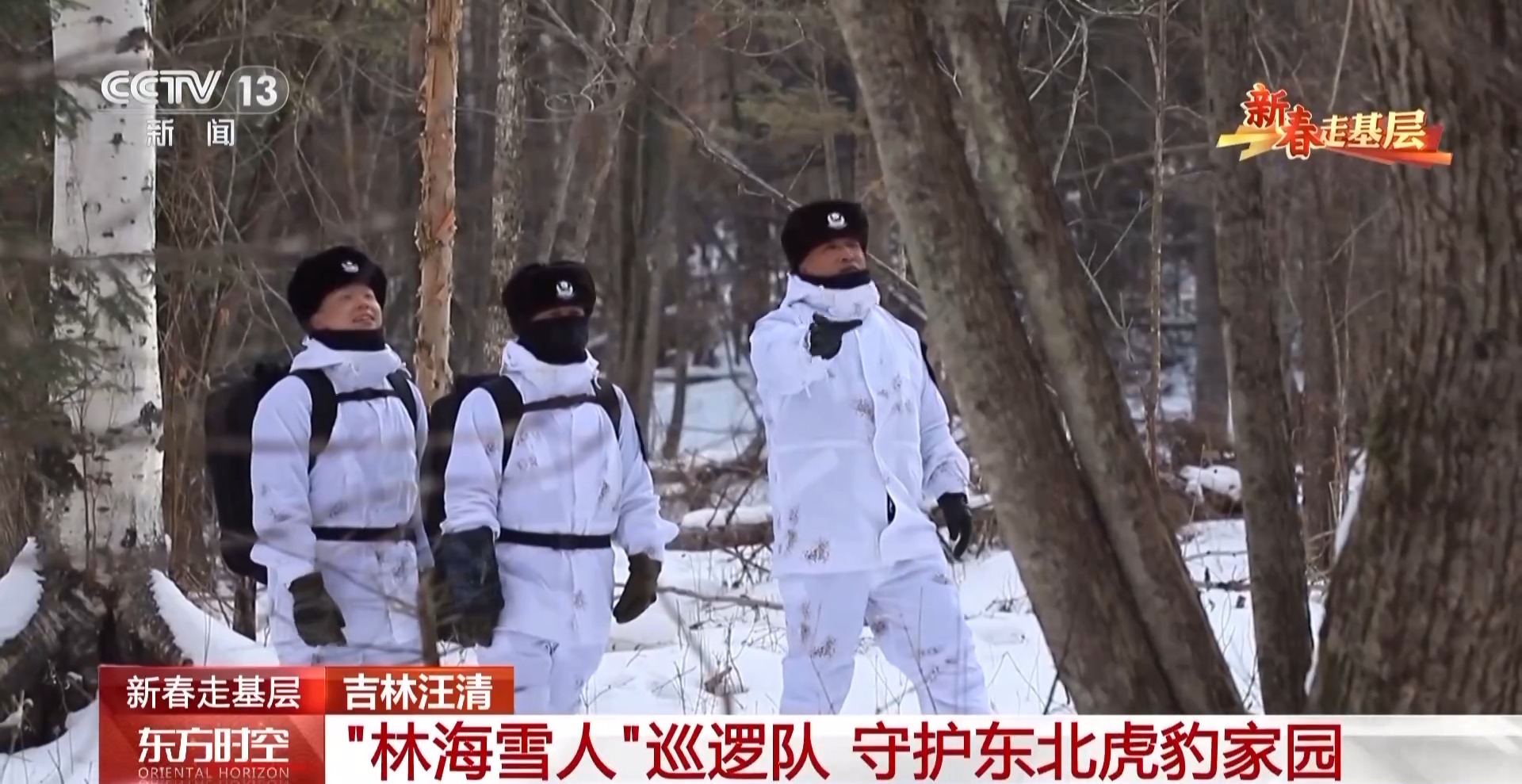
视频丨年轻民警化身“林海雪人” 在把面包变“雪糕”的极寒中守护生态安全
Yang Shi Xin Wen Ke Hu Duan· 2026-02-20 13:17
Core Viewpoint - The establishment of the "Forest Police Patrol Team" in Wangqing aims to protect the ecological safety of the core area of the Northeast Tiger and Leopard National Park, utilizing young officers equipped with modern tools for effective patrolling and wildlife protection [1][50]. Group 1: Patrol Team Composition and Equipment - The patrol team consists of over 10 young officers, many of whom are post-2000s generation, and is led by experienced officers with over 30 years of mountain patrolling experience [3][50]. - The team is equipped with three snowmobiles and skiing gear to facilitate quick movement in the snowy terrain, although foot patrols are still necessary in dense forest areas [3][30]. Group 2: Wildlife Monitoring and Protection Efforts - The patrol area has recorded approximately 20 Northeast Tigers and over 40 Northeast Leopards, highlighting the importance of monitoring these endangered species [3]. - The team has successfully dismantled traps and removed illegally cut trees, documenting evidence for further investigation [11][14][16]. Group 3: Challenges and Conditions - Patrols occur in extreme cold, with temperatures dropping below -20 degrees Celsius, leading to physical challenges such as frostbite among team members [18][20]. - The team has covered over 1,000 kilometers in patrols within three months, assisting in the resolution of 22 cases related to forest and hunting crimes and rescuing 31 wild animals [50]. Group 4: Community Interaction and Safety Measures - The patrol team engages with local villagers, advising them on safety measures regarding wildlife encounters, particularly with tigers and bears [36][40]. - The team emphasizes the importance of teamwork and safety during patrols, ensuring that no member is left behind in challenging conditions [30][52].

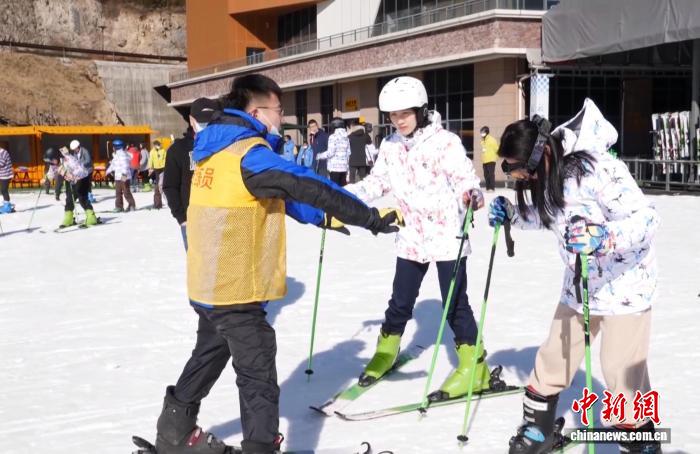
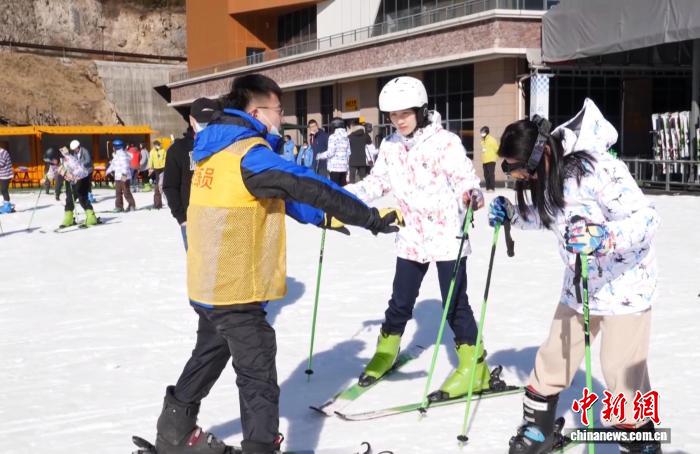
冰雪经济“下江南”成民众新春休闲新宠
Zhong Guo Xin Wen Wang· 2026-02-16 08:45
Core Insights - The ice and snow economy in southern China, particularly in Zhejiang, is experiencing significant growth, with more outdoor ski resorts and indoor ice rinks emerging to cater to local demand [1][2][5] Group 1: Market Trends - The demographic of ice sports participants is shifting, with young people and family units becoming the main consumers, indicating a trend towards new experiences [2] - The upcoming Winter Olympics in Milan and favorable consumer conditions are expected to boost the popularity of skiing during the Chinese New Year [2] - By the end of 2025, Zhejiang is projected to have 26 ice sports venues, including 18 ski resorts, leading in the southern provinces [2] Group 2: Economic Impact - The ice and snow economy is contributing to rural revitalization, with ski resorts attracting visitors and promoting year-round tourism [2] - The demand for skiing lessons and equipment rentals is increasing, reflecting a growing interest in ice sports among first-time skiers [2][5] - Local companies are ramping up production of ski apparel and equipment to meet the rising demand, showcasing the development of the ice and snow equipment manufacturing industry in Zhejiang [5] Group 3: Consumer Experience - The trend of experiential consumption is diversifying the offerings in the ice sports sector, with innovative attractions like snow-themed streets and interactive experiences being introduced [6] - The integration of snow experiences in tourist attractions is seen as a new opportunity, enhancing local tourism and leisure activities [6] - The transformation from merely observing snow to actively engaging in snow activities reflects a shift in consumer behavior and preferences in southern China [6]
精准滴灌助力冰雪经济滑上“高级道”
Xin Lang Cai Jing· 2026-02-15 22:17
Group 1 - The ice and snow economy in Liaoning Province is experiencing significant growth, with a focus on enhancing financial support across various sectors including tourism, sports, culture, manufacturing, and infrastructure [1][2] - The provincial government plans to integrate special funds from cultural, tourism, and sports sectors to create a comprehensive support system for the high-quality development of the ice and snow economy, termed as the "five-dimensional" support path [1] - In 2025, Liaoning Province will allocate 100 million yuan to enhance ice and snow tourism, focusing on brand promotion, development of premium routes, and renovation of tourism facilities [2] Group 2 - During a specialized investment promotion event in June 2025, Liaoning Province signed 15 projects with a total intended investment of 7.318 billion yuan, emphasizing the importance of ice and snow themed projects [2] - The total number of tourists in the province during the 2024-2025 ice and snow season reached 195 million, generating a total tourism revenue of 187.626 billion yuan, reflecting year-on-year growth of 14.8% and 7.4% respectively [2] - The provincial government is actively supporting the high-end snow and ice equipment manufacturing sector, which is a key part of the ice and snow industry chain, through various financial incentives and funding mechanisms [2][3] Group 3 - Since 2025, the construction of venues for the "15th Winter Games" has entered a critical phase, with a total of 5.35 billion yuan allocated for venue and infrastructure development, ensuring the construction of key facilities [3] - The government is utilizing a financing model that combines provincial investment, corporate investment, self-raised funds from competition areas, and bond funds to support venue construction [3] - Liaoning Province is also enhancing collaboration between government and financial sectors, leveraging a 20 billion yuan industrial investment fund to attract social capital for promising ice and snow projects and enterprises [3]
(新春见闻)冰雪经济“下江南” 成民众新春休闲新宠
Zhong Guo Xin Wen Wang· 2026-02-15 04:01
Core Insights - The "ice and snow economy" is gaining popularity in southern China, particularly in Zhejiang province, as more outdoor ski resorts and indoor ice rinks are established, making winter sports accessible to local residents [1][3] Group 1: Market Trends - The demographic engaging in ice sports is shifting towards younger individuals and families seeking new experiences, with many first-time skiers visiting ski resorts [3] - The number of ice sports venues in Zhejiang is projected to reach 26 by the end of 2025, with 18 ski resorts, positioning the province as a leader among southern regions [3][4] Group 2: Economic Impact - The ice and snow economy is contributing to rural revitalization, with ski resorts attracting visitors and promoting year-round tourism [3] - The demand for skiing lessons and equipment rentals is increasing, indicating a growing market for ancillary services related to ice sports [4] Group 3: Consumer Behavior - There is a notable increase in the production of ski apparel and equipment in response to heightened market demand, with local manufacturers struggling to keep up with orders during peak seasons [4] - Experiential consumption is diversifying, with new attractions like snow-themed streets and snow tubing experiences being introduced to enhance local tourism [6]
冰雪文化化雪成金
Xin Lang Cai Jing· 2026-02-12 22:40
Core Viewpoint - The State Council's document emphasizes the importance of developing ice and snow sports to stimulate the ice and snow economy, aiming to engage 300 million people in these activities and promote the entire industry chain, including culture, equipment, and tourism [1] Group 1: Ice and Snow Culture Development - The development of ice and snow culture is crucial for the quality of the ice and snow economy, serving as its essence and driving force [1] - A variety of cultural facilities, such as ice and snow museums and cultural centers, have been established, enhancing the cultural service system [2] - Ice and snow cultural activities are flourishing, with numerous festivals and events enriching the cultural landscape and supporting economic growth [2] - The integration of traditional and modern cultural elements is evident, with ancient customs being preserved while new cultural forms emerge [2] - The continuous expansion of ice and snow culture provides a solid foundation for the development of the ice and snow economy [2] Group 2: Promotion of Ice and Snow Sports - Ice and snow culture plays an irreplaceable role in promoting participation in ice and snow sports, requiring both broadening the participant base and deepening the experience [3] - The legacy of major ice and snow events, such as the Beijing Winter Olympics, serves as a valuable resource for cultural promotion and sustainable development [3] - The popularization of ice and snow sports culture is essential for expanding participation, with initiatives like school visits by sports stars effectively engaging youth [3] Group 3: Traditional Ice and Snow Culture - The preservation and innovation of traditional ice and snow cultural heritage, such as ice and snow carving techniques, enhance the diversity of ice and snow sports [4] - Ice and snow culture transforms sports into cultural experiences, enriching the economic value and spiritual significance of the ice and snow economy [4] Group 4: Value and Competitiveness Enhancement - The deep integration of ice and snow culture into the industry chain enriches product offerings and opens new market opportunities, enhancing overall competitiveness [5] Group 5: Ice and Snow Equipment Manufacturing - The ice and snow equipment manufacturing sector is evolving from manufacturing to innovation and branding, driven by cultural and technological advancements [6] - Cultural elements are increasingly incorporated into product design, enhancing the emotional connection and market appeal of ice and snow equipment [6] - The recognition of Chinese ice and snow brands on international platforms, such as the Milan-Cortina Winter Olympics, signifies a shift towards brand globalization [6] Group 6: Ice and Snow Tourism - The integration of culture into ice and snow tourism is driving quality upgrades, with a shift from mere observation to immersive experiences [7] - Unique regional cultural resources are being leveraged to create distinctive ice and snow tourism products, significantly increasing tourist engagement and spending [7] - Cultural branding, such as the promotion of the Altay region as the "origin of human skiing," enhances international visibility and attracts foreign tourists [7] - The goal is to achieve a high-level coordinated development of the ice and snow economy, targeting a total scale of 1.5 trillion yuan by 2030 [7] Group 7: Future Directions - There is a need to strengthen ice and snow culture construction, improve facilities, and deepen integration with related industries to transform ice and snow resources into economic advantages [8]
米兰冬奥|成功路径镜像复制?17岁韩国少女击败韩裔美国名将克洛伊·金夺冠
Xin Lang Cai Jing· 2026-02-12 21:36
Group 1 - The core event of the women's snowboard halfpipe final at the Milan-Cortina Winter Olympics saw a surprising victory, with 17-year-old South Korean athlete Choi Ga-eun scoring 90.25 points to defeat two-time Olympic champion Chloe Kim [2][4][6] - Chloe Kim, who scored 88 points in her first run, secured the silver medal and displayed sportsmanship by embracing the young champion after her final run [4][6] - Choi Ga-eun faced significant challenges during the competition, including an injury from her first run that required medical attention, yet she managed to perform exceptionally in her final run [4][6] Group 2 - Choi Ga-eun first gained public attention at the age of 14, winning gold at the 27th Winter X Games and breaking Chloe Kim's record for the youngest champion in the event [6] - Chloe Kim has gradually stepped back from professional snowboarding after her 2022 Olympic victory, competing less frequently and dealing with a shoulder injury prior to the Olympics [6] - The competition outcome suggests a potential shift in the sport, as Choi Ga-eun's victory over the established champion Chloe Kim may signify the end of an era in women's halfpipe snowboarding [6][7]

“冰雪+” 迸发新活力(新时代画卷)
Ren Min Ri Bao· 2026-02-11 22:38
Core Insights - The "ice and snow economy" is driving supply and demand upgrades, creating new consumption scenarios and industrial ecosystems, and promoting regional development [1] - Ice and snow sports are becoming a new trend, with a nationwide enthusiasm for winter activities, enhancing consumer engagement and boosting sales of domestic ice and snow equipment [1] - The integration of ice and snow with cultural tourism is enriching consumer offerings and sustaining high levels of winter tourism, contributing to local economic growth [1] - High-standard ice and snow sports venues and quality service are enhancing public satisfaction and happiness, reflecting a blend of speed, passion, and community development [1] - The innovative development and diverse integration of ice and snow resources are transforming them into a "hot economy," showcasing the resilience and vitality of China's economic development [1]
冬奥东风劲 浙产体育用品出海逐浪
Mei Ri Shang Bao· 2026-02-08 22:20
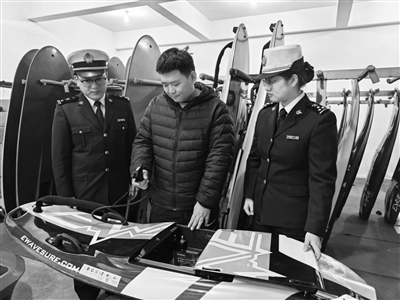
Group 1 - The 2026 Milan-Cortina Winter Olympics is expected to boost the Olympic economy and snow sports economy, leading to a surge in exports of sports goods from Zhejiang province, with an export value of 35.7 billion yuan in 2025, a year-on-year increase of 11.4% [2] - Various categories such as ice and snow equipment, professional training gear, and sports peripherals are experiencing strong demand, with Zhejiang companies leveraging technological innovation and quality control to expand overseas markets [2][3] - The Zhejiang Yuanjing Sports Goods Co., Ltd. has seen a significant increase in exports of ski goggles, with a 41.1% year-on-year growth to 69 million yuan in 2025, and anticipates a 61.8% increase in orders for ski goggles in 2026 due to the Winter Olympics [3] Group 2 - The overall export of sports goods from Zhejiang is accelerating, with companies like Zhejiang Jinnais Sports Goods Co., Ltd. reporting a nearly 40% increase in exports to Italy, reaching 330 million yuan in 2025 [4] - Zhejiang Shanait Sportswear is capitalizing on the snow sports consumption trend by launching functional products and aims to deepen its presence in the European market through international exhibitions [4] - The Hangzhou Customs has implemented supportive measures to help companies seize export opportunities in the sports economy, including facilitating customs clearance and enhancing quality control for products like ski goggles and boards [6]
大湾区“1小时冰雪经济圈”成形
21世纪经济报道· 2026-02-08 00:56
Core Viewpoint - The article highlights the rapid growth of the ice and snow economy in China, particularly in Guangdong, where indoor snow venues are becoming popular during the Spring Festival, indicating a shift in consumer preferences towards winter sports and experiences [1][6]. Industry Growth - The national ice and snow industry is projected to exceed 1 trillion yuan by 2025 and reach 1.5 trillion yuan by 2030, with Guangdong playing a significant role in this growth [1][6]. - From 2016 to 2024, the scale of China's ice and snow industry increased from 364.7 billion yuan to 980 billion yuan, with an average annual growth rate of 21.09% [6]. Consumer Engagement - The 2024-2025 ice and snow season is expected to see consumer spending exceed 187.5 billion yuan, representing a growth of over 25% compared to the previous season [6]. - Guangdong is the third-largest source of ice and snow tourists in China, with major cities like Guangzhou and Shenzhen ranking among the top ten tourist source cities [6][7]. Venue Development - Guangdong has established over 30 ice and snow venues, with the largest indoor ski resort, Qianhai Huafa Ice and Snow World, attracting over 1.3 million visitors within four months of its opening [7][12]. - The "Tropical Snow Country" concept is being realized through these venues, which provide accessible skiing experiences for local residents and tourists from nearby regions [7][8]. Economic Impact - The ice and snow industry in Guangdong is interconnected with various sectors, including manufacturing, retail, and dining, creating a comprehensive service chain from ticket sales to equipment rentals [12][17]. - Guangdong is home to approximately 23,000 companies involved in ice and snow equipment manufacturing, accounting for over 25% of the national total [12][13]. Future Trends - The article suggests that the future of the ice and snow industry lies in diversifying revenue streams through "ice and snow+" business models, high-end customized services, and event-driven economies [17][18]. - There is a growing emphasis on integrating local cultural elements into ice and snow projects to enhance uniqueness and attract more consumers [18].
