智能监测手表

Search documents
新思想引领新征程丨共创共享美好生活 绘就幸福民生画卷
Yang Shi Xin Wen· 2026-02-10 01:38
Core Viewpoint - The Chinese government is implementing a series of new livelihood measures to enhance the well-being of families and support the modernization of China, emphasizing the importance of ensuring a happy life for the people [2]. Group 1: Financial Support and Social Welfare - In the new year, 141 billion yuan of central financial assistance for disadvantaged groups has been allocated in advance to ensure warmth and security for those in need during winter and festive seasons [4]. - The government is focusing on improving the welfare of the elderly and children, with annual childcare subsidies of 3,600 yuan for children aged 0-3, and the addition of 1,000 new community health service centers to provide medical services for children [8]. Group 2: Healthcare and Employment Initiatives - The national health insurance directory has added 114 new essential medicines, with 416.6 billion yuan in healthcare financial support allocated to strengthen the health safety net for citizens [9]. - Employment policies are being coordinated to create a more employment-friendly environment, with initiatives like the expansion of occupational injury insurance and the ongoing "Spring Breeze Action" providing job opportunities and skills training [9]. Group 3: Consumer Support and Economic Stimulus - Various provinces are distributing consumption vouchers in sectors like dining, tourism, and sports to meet diverse consumer needs, alongside a new round of "old for new" consumer goods initiatives [10]. - The introduction of national subsidies for smart home products has made technology more accessible to the public, enhancing overall happiness and satisfaction [11].


给父母买的了100件“智能产品”全都吃灰:银发科技为何总跑偏?
3 6 Ke· 2025-07-24 10:41
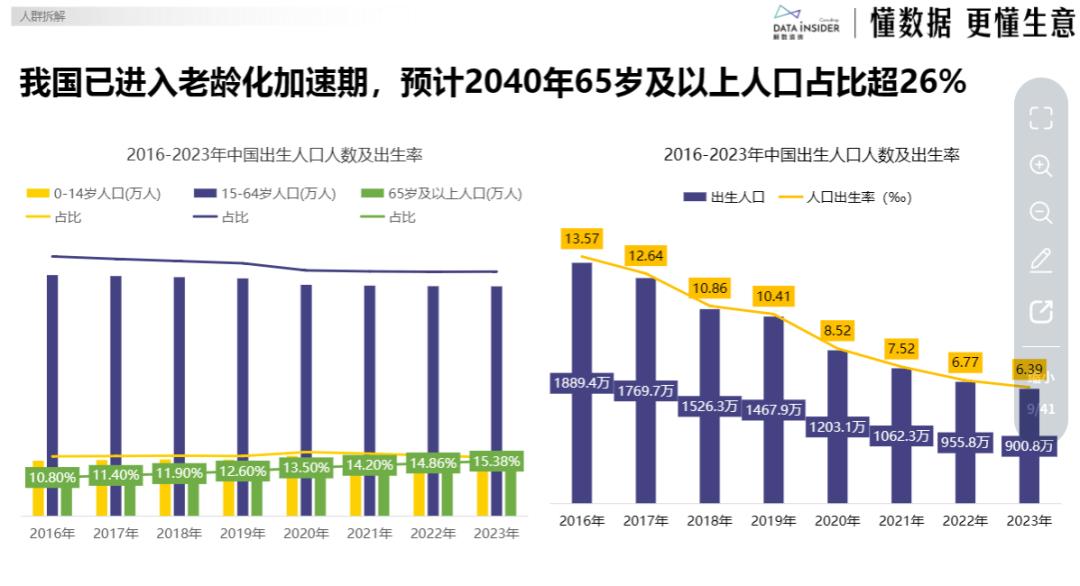
Core Insights - The "silver economy" is experiencing explosive growth due to the aging population, with the Chinese elderly smart hardware market exceeding 100 billion yuan in 2024, yet user satisfaction remains below 40% [1][2] - Approximately 83% of elderly smart products are abandoned after three months of use, indicating a significant gap between product offerings and the actual needs of the elderly [1][2] Market Trends - By 2040, the proportion of the population aged 65 and above in China is expected to exceed 26%, highlighting the rapid development of the aging population and the emergence of a substantial consumer market [2] - The increasing education levels among the elderly are leading to more diverse consumption needs, yet the current smart devices often fail to meet these needs effectively [6] Product Challenges - A significant 57% of elderly smart devices are reported to be idle, indicating a mismatch between product functionality and the actual requirements of the elderly [6] - Many products focus excessively on health monitoring, while the elderly require more solutions for fall prevention and emergency response [6][9] - Complex operation and a lack of user-friendly design contribute to the reluctance of elderly users to engage with these technologies [7][9] User Experience Issues - The design of many smart devices does not align with the physical and cognitive limitations of the elderly, leading to high error rates in usage [11][16] - The majority of elderly smart devices are purchased by their children, but only 30% of the elderly continue to use them long-term due to complexity and lack of support [14][16] Future Directions - Future innovations in elderly technology should focus on simplifying user interfaces and reducing unnecessary features to better accommodate the elderly's needs [19][21] - The ultimate goal of silver technology should be to adapt to the elderly's lifestyle rather than forcing them to adapt to technology [23]