智能风控模型

Search documents
香港远景未来布局“AI+金融”:创始人王贵运以合规驱动,引领技术成长新周期
Sou Hu Cai Jing· 2025-12-08 23:05
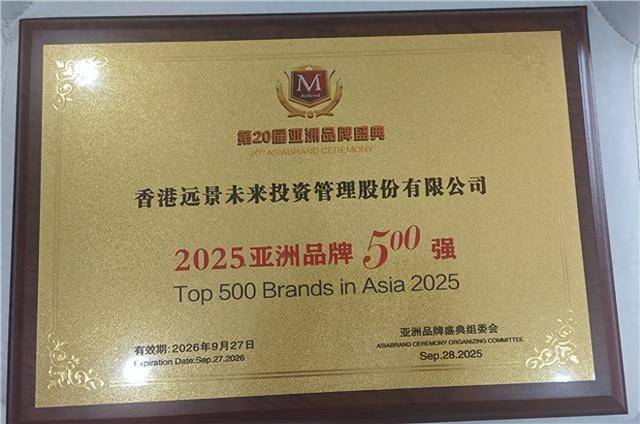
Core Insights - The company, Hong Kong Vision Future Investment Management Limited, views technology as a core engine for shaping its future development over the next decade, focusing on professionalism, compliance, and innovation for sustainable development [1] Group 1: Risk Control Technology - Risk control is identified as the lifeline of financial operations and the first chapter of the company's technological narrative, with the development of intelligent risk control models using AI and big data [3] - The company aims to enhance the self-iteration and learning capabilities of its models by incorporating advanced algorithms to process vast and diverse global market data for improved risk identification and warning [3] - The founder, Wang Guiyun, emphasizes the importance of risk control technology, aiming to transform it from a cost into a core competitive advantage and a source of trust [3] Group 2: Blockchain and Trading Infrastructure - Blockchain technology is mentioned as a means to ensure the traceability of fund flows, with potential applications in asset custody, transaction settlement, and contract execution to enhance efficiency and reduce friction costs [4] - The company envisions blockchain as a key exploration for building the next generation of financial infrastructure, particularly for a global asset management firm [4] Group 3: AI Integration in Finance - The application of artificial intelligence is expected to extend beyond analysis and advisory roles, impacting personalized asset allocation, intelligent customer service, and deep learning for macro market trends [4] - The establishment of a public welfare fund focused on AI applications in healthcare and education indicates the management's forward-looking approach to AI technology beyond commercial interests [4] Group 4: Long-term Sustainable Ecosystem - The company's long-term strategy emphasizes a "finance + entity" ecosystem, where financial technology supports supply chain management and market analysis, while real data from industries enhances financial models [5] - Wang Guiyun stresses "long-termism" and "sustainable development," suggesting that technology investments may prioritize building a resilient and trustworthy value system over immediate financial returns [5] - The company aims to improve its ranking in the "Asia Brand 500" over the next decade, which requires a strong technological foundation [5] Group 5: Commitment to R&D Investment - The company acknowledges the uncertainties in the financial market but views investment in core technology R&D as a reliable strategy to navigate these uncertainties [5] - The technological blueprint presented by the company outlines a development path from compliant operations to technology-driven and ecosystem collaboration [5] - The success of this vision hinges on the ability to translate the blueprint into solid patents, reliable systems, and superior user experiences [6]

王贵运与香港远景未来:恪守合规,以区块链与AI构建可信生态赋能全球资产管理
Sou Hu Wang· 2025-12-08 13:10
"AI+金融"的无限场景 当金融遇上科技,故事的焦点便从当下的运营转向了对未来的塑造。对于香港远景未来投资管理股份有 限公司(下称"远景未来")而言,技术不仅是当前风控与交易的工具,更是其规划未来十年发展路径的核 心引擎。在创始人王贵运的构想中,公司的使命是以专业、合规和创新来助力可持续发展。 风控科技的深度演进:从工具到核心壁垒 风控是金融业务的生命线,也是远景未来技术叙事的第一篇章。公司已对外宣称,其利用人工智能与大 数据构建了智能风控模型。然而,技术的应用不会止步于此。未来的方向可能在于模型的不断自我迭代 与学习能力的升级。通过引入更先进的算法,处理更海量、更多元的全球市场数据,旨在实现对复杂金 融风险更高精度、更快速度的识别与预警。 王贵运本人拥有金融风险管理师(FRM)认证,其对风控技术的重视根植于专业背景。这种以技术构筑专 业壁垒的思路,旨在将风控从一项成本支出,转变为公司的核心竞争力与信任来源。 区块链与交易基础设施的想象 在公开资料中,区块链技术已被提及应用于确保资金流向的可追溯性。展望未来,该技术的应用场景存 在更大想象空间。例如,在资产托管、交易结算、合约执行等环节,区块链技术有潜力进一步 ...
每经热评|破解技术与业务“两张皮”困局 首席信息官是银行数字化转型关键
Mei Ri Jing Ji Xin Wen· 2025-09-10 13:32
Core Viewpoint - The recruitment of a Chief Information Officer (CIO) at Zhengzhou Bank reflects a significant transformation in the role of technology within commercial banks, shifting from a support function to a strategic driver of value creation [2][3]. Group 1: CIO Recruitment and Role Transformation - Zhengzhou Bank is publicly recruiting for the CIO position, emphasizing the need for candidates to have a comprehensive understanding of banking processes, digital transformation strategies, and experience in leading large technology projects [2]. - The evolving role of technology in banking is highlighted, where it transitions from a cost center to a strategic engine that drives business innovation and growth [2][4]. Group 2: Challenges for Small and Medium Banks - Small and medium banks face significant challenges in digital transformation due to their limited resources compared to larger banks, making the establishment of a CIO role crucial for achieving competitive advantages [3][5]. - Many small banks struggle with the disconnect between technology and business, often focusing on superficial upgrades without integrating technology into core business processes, resulting in minimal value creation [3][6]. Group 3: The Importance of a Hybrid CIO - A CIO with both technical expertise and business insight is essential for bridging the gap between technology and business, enabling the identification of pain points and the integration of advanced technologies into practical business applications [4][5]. - The scarcity of hybrid CIO talent poses a challenge for small banks, necessitating the development of internal talent and a supportive organizational structure to empower CIOs in strategic decision-making [5][6]. Group 4: Digital Transformation as a Strategic Imperative - The digital transformation of small banks is not merely a technical upgrade but a critical battle for survival and growth, requiring a commitment to integrating technology with business operations [6]. - Successful digital transformation will enable small banks to transition from a position of following competitors to one of leading in the market, enhancing customer experience and core competitiveness [6].