木须肉

Search documents
木须肉、醋熘木须……木须到底是什么?
Xin Lang Cai Jing· 2026-01-23 16:48
Core Viewpoint - The term "木须" (mù xū) in Chinese cuisine, commonly associated with dishes like "木须肉" and "醋熘木须," actually refers to scrambled eggs rather than black fungus, reflecting a historical linguistic practice to avoid the word "蛋" (egg) due to its negative connotations in the past [1][2][3] Group 1 - The name "木须" is derived from the poetic term "木樨" (mù xī), which refers to osmanthus flowers, symbolizing the appearance of scrambled eggs that resemble the flower's golden and fluffy form [1][3] - The evolution from "木樨" to "木须" is attributed to phonetic changes in spoken language, where the pronunciation shifted due to the influence of surrounding sounds, particularly in Northern dialects [2] - The term "木须" encapsulates not only the visual aspect of the dish but also carries historical and cultural significance within Chinese culinary traditions [3]
南城香,还是卷进了自选快餐!
3 6 Ke· 2025-05-25 05:06
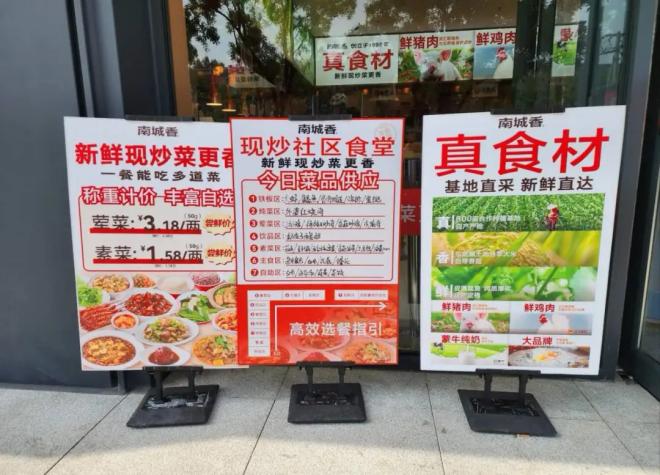
Core Viewpoint - The article discusses the launch of "Nanchengxiang Fresh Stir-Fry Community Canteen" in Beijing, highlighting its innovative approach to community dining through a self-service and fresh stir-fry model, which aims to attract consumers seeking quality and flavor in a competitive market [1][11][18]. Group 1: Business Model - The canteen adopts a "fresh stir-fry + self-service weighing" model, positioning itself as a "community stir-fry canteen" [1][5]. - The store features an open kitchen design, allowing customers to see the cooking process, enhancing the appeal of fresh stir-fry [1][5]. - The dining process is simplified into a clear sequence: cleaning hands, taking trays, selecting dishes, weighing for checkout, and returning utensils [5][9]. Group 2: Product Offering - The canteen offers over 20 types of dishes, with an average cost of 20 yuan per person [7][10]. - Dishes are categorized into five areas: single dishes, meat, vegetables, staple foods, and self-service [7][10]. - Pricing is based on weight for stir-fried dishes (3.18 yuan per 100g for meat, 1.58 yuan per 100g for vegetables) and fixed prices for single dishes (5 yuan for braised pork, 4.9 yuan for shrimp) [9][10]. Group 3: Market Context - The "stir-fry" model is a response to changing consumer preferences, with a growing demand for freshly cooked meals [11][18]. - The competitive landscape in Beijing's dining market is intensifying, with various brands entering the space, making the stir-fry model a strategic necessity for differentiation [14][15][18]. - Nanchengxiang's total revenue reached 1.6 billion yuan in 2024, a 9% increase year-on-year, but with a 14% decline in single-store revenue and a 35% drop in profit [16][20]. Group 4: Operational Adjustments - To cope with competition, Nanchengxiang is adjusting its operational strategies, including reducing costs by eliminating free fruit and modifying self-service options [21][22]. - The introduction of a small hot pot option for dinner aims to enhance profitability and meet consumer demand for variety [23][24]. - The shift towards a focus on "value cultivation" rather than mere expansion reflects a broader trend in the industry towards optimizing individual store profitability [24].