未来学习中心

Search documents
多地大学建设未来学习中心 高等教育“未来式”长啥样
Ren Min Ri Bao· 2026-01-19 22:36
Core Viewpoint - The article discusses the rapid development and implementation of future learning centers in various Chinese universities, emphasizing the transformation of learning spaces and teaching methods through digitalization and technology integration [1][2][3]. Group 1: Future Learning Centers Implementation - The Ministry of Education and nine other departments have outlined plans to explore the construction of cloud schools, intelligent manufacturing spaces, and future learning centers by 2025 [1][2]. - Future learning centers are being established in universities such as Beijing University of Posts and Telecommunications, East China Normal University, and Shandong University, marking a shift in educational practices [3][4]. Group 2: Changes in Teaching Methods - The new teaching environments feature smart classrooms where students and AI can collaborate in real-time, enhancing interactive learning experiences [5][6]. - East China Normal University has created a physical future learning development center to integrate resources across various departments, promoting shared learning experiences [7]. Group 3: Student-Centric Design and Collaboration - Beijing University is involving students in the design and operation of future learning centers, ensuring that their needs and preferences shape the educational environment [9][10]. - The focus on student-led initiatives fosters a culture of exploration, collaboration, and sharing among peers [18][19]. Group 4: Challenges and Considerations - There are concerns regarding the effective utilization of advanced technologies and resources in future learning centers, with some institutions facing challenges in resource availability and quality [11]. - The role of teachers is evolving, requiring them to adapt to new technologies and redesign teaching processes to enhance student engagement [12]. Group 5: Educational Philosophy and Goals - The exploration of future learning centers aims to cultivate human-centric values in education, emphasizing the importance of personal development and social emotional skills in the age of AI [16][17]. - The ultimate goal is to create an educational ecosystem that balances technology with the nurturing of critical thinking and creativity among students [21].
多地大学校园建设未来学习中心 高等教育的“未来式”长什么样
Huan Qiu Wang· 2026-01-14 02:29
Core Insights - The article discusses the transformation of educational spaces and teaching methods through the establishment of future learning centers, emphasizing the integration of technology and the need for human-centered approaches in education [1][2][7]. Group 1: Future Learning Centers - The Ministry of Education and nine other departments have outlined plans to explore the construction of cloud schools, intelligent manufacturing spaces, and future learning centers by 2025, aiming to promote changes in learning methods [2][3]. - Several universities, including Beijing University of Posts and Telecommunications, East China Normal University, and Shandong University, are rapidly implementing future learning centers, leading to a transformation in learning environments and teaching methodologies [2][3][4]. Group 2: Changes in Teaching Methods - The new learning environments feature smart classrooms where students and AI can collaborate in real-time, enhancing the learning experience [3][4]. - East China Normal University has created a future learning development center to integrate resources across various departments, promoting collaborative learning and shared access to facilities [3][4]. Group 3: Challenges and Solutions - There are challenges in transitioning from merely establishing these centers to effectively utilizing them, including issues of usability and resource availability [5][6]. - Teachers need to adapt to new roles and redesign teaching processes, while educational evaluation systems must evolve to recognize skills developed in interdisciplinary projects [5][6]. Group 4: Educational Philosophy - The exploration of future learning centers aims to cultivate human-centric values in education, focusing on developing critical thinking and social emotional skills in the context of AI advancements [7][8]. - The shift from traditional teaching to personalized empowerment is evident, with institutions aiming to create collaborative ecosystems that foster interdisciplinary thinking [8][9]. Group 5: Practical Applications - Students at East China Normal University are actively engaging with resources to develop interactive AI agents, demonstrating the potential of future learning centers to enhance creativity and collaboration [9]. - Even universities without dedicated future learning centers are embedding elements of this approach into various educational contexts, indicating a broader cultural shift towards learner-centered education [9].
多地大学校园建设未来学习中心 高等教育的“未来式”长啥样
Ren Min Ri Bao· 2026-01-14 00:48
Core Viewpoint - The Ministry of Education and nine other departments have outlined plans to accelerate the digitalization of education by 2025, emphasizing the construction of future learning centers that reshape learning spaces and teaching methods, integrating technology while focusing on human growth [1][9]. Group 1: Development of Future Learning Centers - Future learning centers are being rapidly established in several universities, including Beijing University of Posts and Telecommunications, East China Normal University, and Shandong University, marking a significant shift in learning environments and teaching methodologies [2][3]. - The new learning spaces feature smart classrooms and specialized laboratories, allowing for collaborative interactions between students and AI, enhancing the learning experience [3][4]. Group 2: Changes in Teaching Methods - The transformation from traditional classrooms to future learning centers involves not only hardware upgrades but also a redefinition of teaching practices, where students can engage with AI experts during discussions and conduct experiments individually [3][5]. - Various universities are adopting different strategies, such as integrating resources across departments and encouraging student participation in the design of learning spaces [5][6]. Group 3: Challenges in Implementation - There are challenges in ensuring that the newly built learning centers are effectively utilized, with concerns about usability and the quality of educational resources available in virtual spaces [6][7]. - Teachers face the challenge of adapting to new roles and technologies, necessitating a redesign of teaching processes and evaluation systems to better reflect the demands of future education [7][9]. Group 4: Educational Expectations and Goals - The exploration of future learning centers aims to cultivate human subjectivity and values in education, emphasizing the importance of personal growth and social emotional skills in the age of AI [9][10]. - The focus is on creating a learning culture centered around students, promoting inquiry, collaboration, and sharing, which is seen as essential for fostering creativity and engagement in educational settings [10][11].

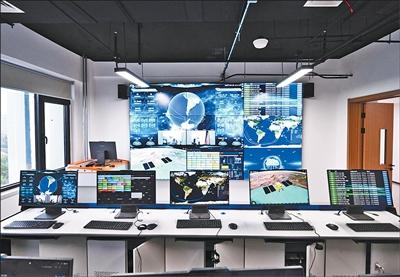
AI赋能再创新!深圳又一所校园“未来学习中心”揭牌
Nan Fang Du Shi Bao· 2026-01-12 08:20
Core Insights - The establishment of the "Future Learning Center" at Bao Long Technology City Experimental School marks a significant step towards integrating AI into personalized education, aiming to explore new human-machine collaborative teaching models [1][4]. Group 1: Event Overview - The unveiling ceremony was met with enthusiasm, where the principal expressed hopes for AI to empower personalized learning and enhance the quality of education [3]. - The manager from Guanghe Xinzhi (Beijing) Information Technology Co., Ltd. provided a detailed introduction to the Onion AI personalized learning platform, clarifying its functional architecture and application value [3]. - The ceremony concluded with a collaborative unveiling of the plaque, symbolizing a firm step towards AI-enabled personalized teaching [3]. Group 2: Educational Goals - The Future Learning Center aims to redefine the teaching ecosystem by leveraging AI technology, with a focus on cultivating essential skills for the future, such as critical thinking, creativity, collaboration, communication, and digital literacy [4]. - The center shifts away from traditional teaching methods, promoting student-led inquiry-based, project-based, and personalized learning approaches [4]. - The school anticipates that this initiative will provide a replicable and scalable model for digital transformation in regional basic education, referred to as the "Bao Shi Experience" [4].