朴朴生活

Search documents
朴朴的“好日子”,到头了?
Sou Hu Cai Jing· 2025-12-17 10:26
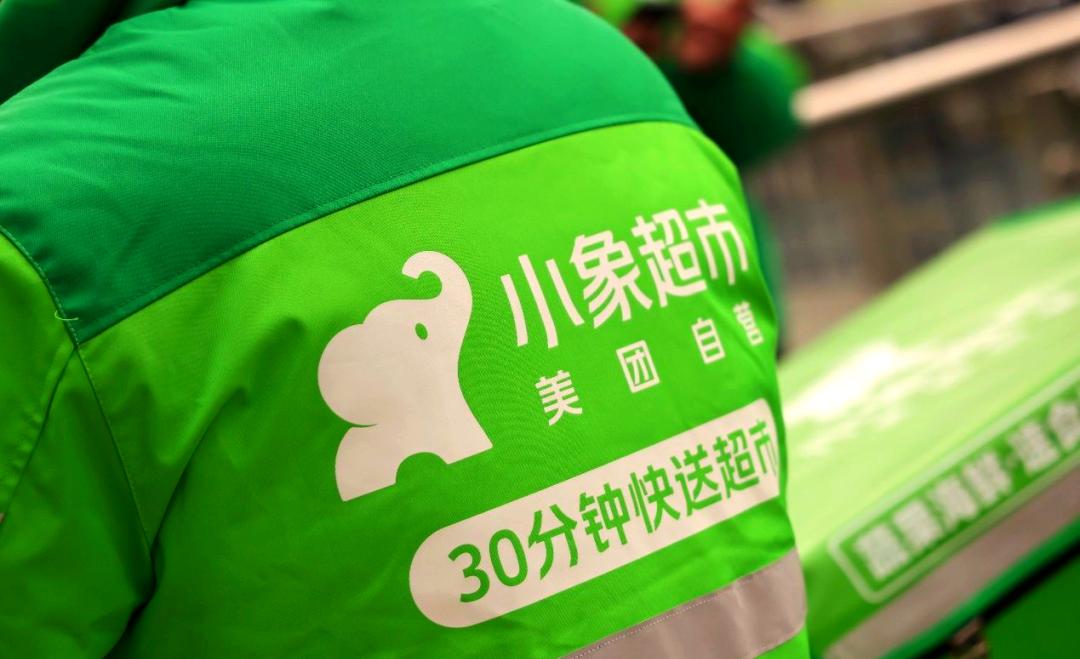
Core Insights - Pupu Supermarket has opened its first offline store named "Pupu Life" in Fuzhou, shifting its strategy from online delivery to exploring offline experiences [1] - The fresh e-commerce industry is facing collective anxiety due to the saturation of online traffic and high customer acquisition costs, making the offline market a necessity for survival [1] - Pupu's new initiatives, including "Pupu Kitchen," aim to integrate various dining experiences into its ecosystem, enhancing customer retention [1] Group 1: Competitive Landscape - Meituan's "Flash Purchase" service has surpassed 50,000 flash warehouses, with plans to reach 100,000 by 2027, intensifying competition in the Fuzhou market [2] - The entry of Meituan's Xiaoxiang Supermarket into Fuzhou poses a significant threat to Pupu, especially during its critical IPO silent period [2][3] - Xiaoxiang's rapid expansion and delivery capabilities, supported by Meituan's logistics, have positioned it as a formidable competitor against Pupu [3][5] Group 2: Financial Performance and Market Position - Pupu's revenue is heavily concentrated, with over 70% coming from the Fujian and Guangdong provinces, raising concerns about market risk and valuation [6][11] - Pupu's user growth rate of 27.8% is lagging behind Xiaoxiang's impressive 59.8%, indicating potential market share erosion [6] - The company's profitability in 2024 is notable within the fresh e-commerce sector, but its reliance on a limited geographic area may hinder its market perception [9][11] Group 3: Strategic Challenges - Pupu's cautious expansion strategy has led to regional monopolies but has also resulted in growth inertia and geographic lock-in [6][12] - The launch of "Pupu Life" represents a risky move to diversify its business model, but it may conflict with its established online efficiency [12] - The pressure to meet capital market expectations may force Pupu to compromise on its core values of quality and customer service [13][14] Group 4: Future Directions - Pupu faces a critical decision between maintaining its independent growth model or seeking strategic partnerships with larger platforms [15] - The competition from Xiaoxiang accelerates the urgency for Pupu to adapt its business strategy to survive in a rapidly evolving market [15]


朴朴打响IPO“守擂战”
3 6 Ke· 2025-12-15 12:50
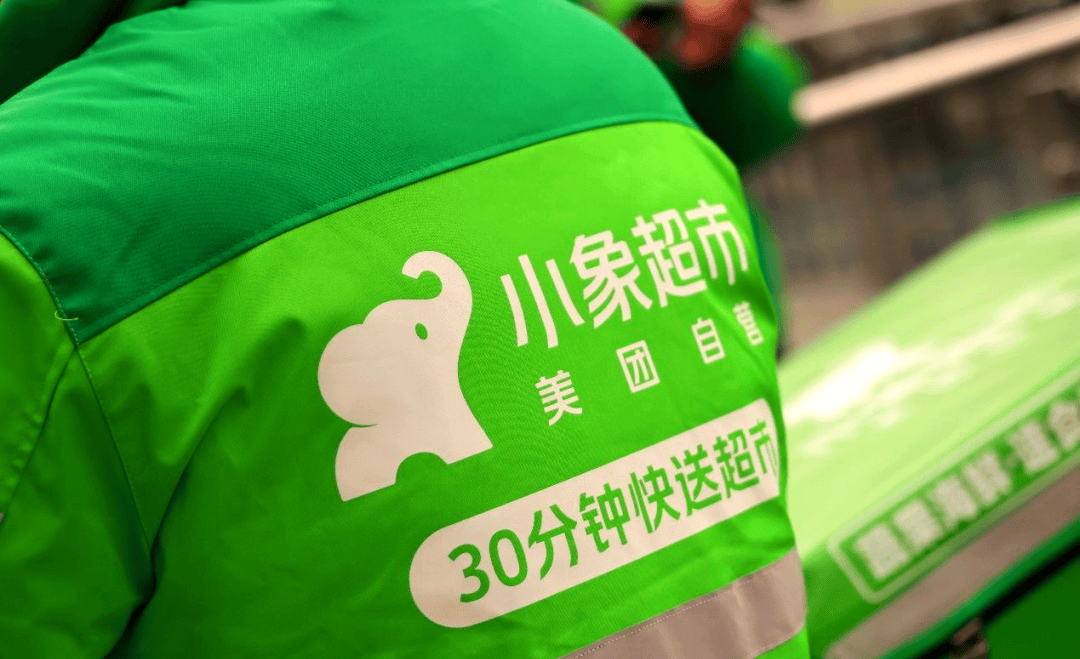
Core Viewpoint - The opening of the first offline store "Pupu Life" by Pupu Supermarket signifies a strategic shift from online delivery efficiency to exploring offline experiences, driven by the collective anxiety of the fresh e-commerce industry facing high customer acquisition costs and a saturated online market [1][2]. Group 1: Company Strategy - Pupu's new store, with an area of 5000-6000 square meters, aims for a "30-minute delivery" promise, indicating a focus on enhancing customer experience [1]. - The launch of "Pupu Kitchen," a self-operated takeaway service, aims to integrate daily meal offerings into Pupu's existing supply chain and delivery network, thereby binding customers more closely to the brand [1][2]. - The strategy of expanding into offline retail and food services is a response to the need for diversification in revenue streams as online growth slows [2][8]. Group 2: Competitive Landscape - The entry of Xiaoxiang Supermarket into Fuzhou poses a significant threat to Pupu, as Xiaoxiang's rapid expansion and integration with Meituan's logistics capabilities challenge Pupu's market share and established regional dominance [3][5]. - Xiaoxiang's GMV is projected to approach 30 billion yuan by 2024, surpassing Pupu's scale, indicating a shift in competitive dynamics within the fresh e-commerce sector [3][5]. - The competition is intensified by Meituan's strategic moves, including the expansion of its instant retail services and the establishment of a vast network of delivery points, which could undermine Pupu's market position [2][5]. Group 3: Financial Performance and Market Position - Pupu has achieved profitability for the first time, with over 70% of its revenue coming from the Fujian and Guangdong regions, highlighting its reliance on a concentrated market [6][10]. - Despite achieving profitability, Pupu faces challenges in sustaining growth and expanding beyond its core markets, as indicated by a user growth rate of 27.8% compared to Xiaoxiang's 59.8% [6][10]. - The pressure to demonstrate sustainable profitability and growth potential is critical for Pupu's upcoming IPO, as the market is increasingly wary of companies with high regional dependency [10][12]. Group 4: Strategic Dilemmas - Pupu's cautious expansion strategy has led to a "regional lock-in" effect, making it difficult to replicate its success in new markets, as seen in its previous struggles in Shenzhen [8][10]. - The introduction of offline stores represents a risky pivot that could strain Pupu's resources and operational focus, potentially jeopardizing its overall profitability if not managed effectively [11][12]. - The company must balance the need for aggressive growth to satisfy market expectations with its established operational strengths in regional markets, creating a tension between short-term pressures and long-term strategic goals [12][14].