
机上无线网络服务

Search documents
全球航空服务市场东移,空客掘金中国民航数字化互联业务
Hua Xia Shi Bao· 2026-02-02 03:40
Core Insights - The global aviation aftermarket services market is expected to grow significantly, with China's market projected to increase from $24.8 billion in 2025 to $63.8 billion by 2044, indicating a strong demand for various services throughout the aircraft lifecycle [2][3]. Market Growth and Trends - Airbus predicts a shift in the aviation aftermarket services market towards China, which is expected to become the largest market globally due to ongoing investments in airport infrastructure and air traffic management [3]. - China is anticipated to receive approximately 9,570 new aircraft over the next 20 years, further driving the demand for aftermarket services [3][4]. - The domestic passenger transport volume in China is projected to grow by 17% compared to pre-pandemic levels in 2019, with international routes recovering to over 90% of 2019 levels [4]. Key Segments of Aftermarket Services - The Off-Wing Maintenance market is expected to grow from $17 billion in 2025 to $44.8 billion by 2044, becoming the largest segment of the aftermarket services market [4][5]. - The On-Wing Maintenance market is projected to increase from $3 billion in 2025 to $6.8 billion by 2044, reflecting the growing demand for routine maintenance [5]. - The market for fleet modifications and upgrades is expected to rise from $1.8 billion in 2025 to $3.1 billion by 2044, driven by the need for enhanced passenger experience and extended aircraft lifespan [5]. Talent and Training Needs - By 2044, the Chinese aviation industry will require over 485,000 new technical personnel, including 131,000 pilots, 143,000 maintenance technicians, and 211,000 cabin crew members [5]. - The professional training market is projected to grow from $1.6 billion in 2025 to $3.9 billion by 2044 to meet the increasing demand for skilled personnel [5]. Digital Transformation and Connectivity - The digital and connected aircraft market in China is expected to grow from $1.4 billion in 2025 to $5.1 billion by 2044, as airlines accelerate their digital transformation efforts [6]. - Airlines are expected to save over $2.2 billion in operational costs and an additional $5.7 billion through reduced fuel costs by adopting digital technologies [6]. - The introduction of in-flight internet services is becoming more prevalent, with airlines like KLM and Air China offering free connectivity to enhance customer loyalty and competitiveness [7][8]. Strategic Partnerships and Innovations - Airbus has signed agreements to install advanced in-flight connectivity systems on aircraft, enhancing the passenger experience and operational efficiency [8][9]. - Collaborations with technology firms aim to build a robust in-flight connectivity ecosystem, ensuring stable network connections across various regions [9].


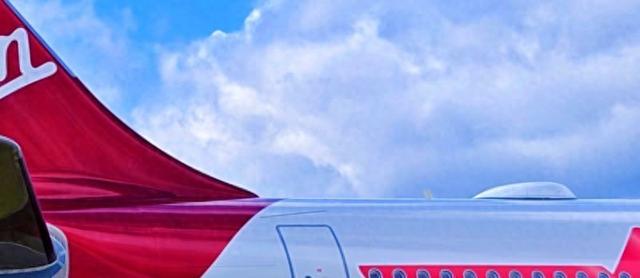
EasyJet航空洽谈星链机上无线网络合作,现阶段经济层面暂不具备可行性
Xin Lang Cai Jing· 2026-01-29 11:48
Core Viewpoint - EasyJet is currently in discussions with SpaceX's Starlink for in-flight wireless internet services, but the economic feasibility of this partnership is not favorable at this stage [1][3]. Group 1: Economic Considerations - The CEO of EasyJet, Johan Lundgren, indicated that the collaboration with Starlink is not economically suitable for the airline at this time [1][3]. - The installation of wireless network antennas on aircraft could lead to an additional annual cost of approximately $200 million due to increased fuel resistance, as stated by Ryanair's CEO Michael O'Leary [1][3]. Group 2: Service Quality and Alternatives - Despite the economic concerns, the product experience of Starlink is reported to be excellent, with outstanding streaming speeds [1][3]. - EasyJet is also exploring options with other service providers, indicating a rapidly changing market environment [1][3].