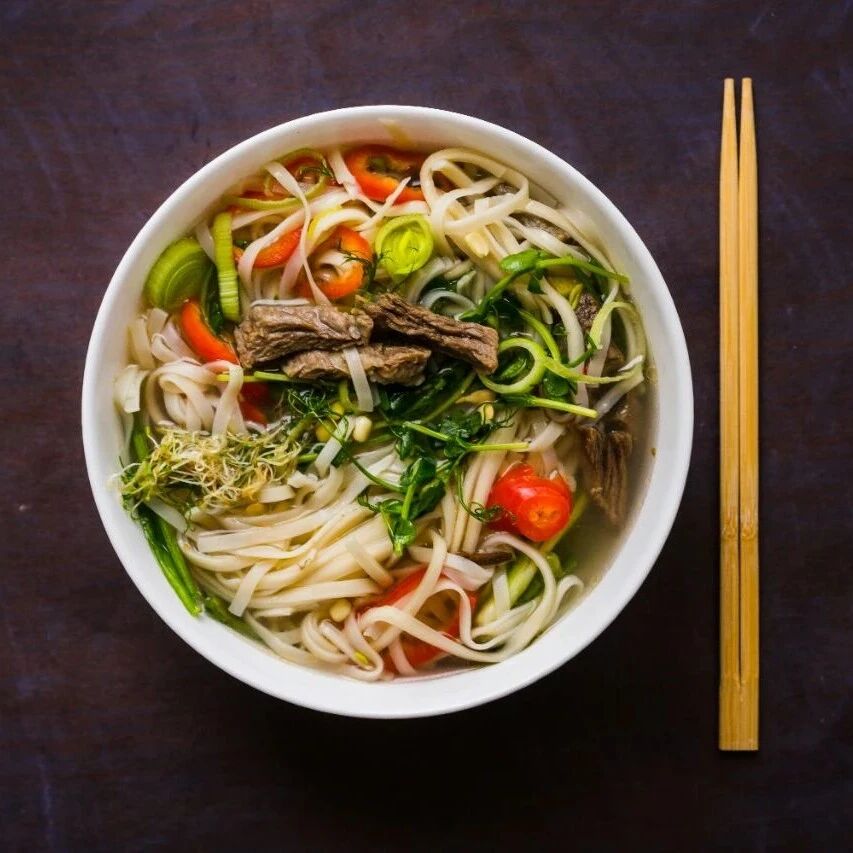
杭椒牛肉拌川

Search documents
人均四五十的「贵价面馆」,卷土重来
36氪· 2025-10-20 10:24
Core Viewpoint - The article discusses the evolving landscape of the noodle restaurant industry, highlighting the emergence of new brands that focus on enhancing consumer value through innovative offerings and dining experiences, contrasting with the struggles of established "new noble" noodle brands that face challenges in price-value alignment [4][18][36]. Group 1: New Brand Emergence - The noodle market has seen a surge in new brands, particularly in the context of beef rice noodles and local specialties, with brands like Wang Fanxing's noodle shop expanding nationally, opening over 50 locations across 24 cities [6][12]. - In Hangzhou, the brand Chunya has gained popularity with its unique offerings, such as fresh beef noodles, achieving an average customer volume of over 700 per day at its flagship store [10][13]. - Northern brands like Limi have adopted a mixed approach, offering a variety of noodle types and expanding into new regions, with 23 locations primarily in Liaoning and recent openings in Qingdao and Inner Mongolia [14][16]. Group 2: Consumer Experience and Value - New noodle brands are focusing on creating a bright and inviting dining environment, emphasizing fresh ingredients and meticulous preparation methods to enhance the overall dining experience [10][17]. - The pricing strategy of these new brands reflects a shift towards higher perceived value, with dishes like the signature fresh-cut beef noodles priced at 32 yuan, while the average spending per person is around 50 yuan [12][18]. - The article notes that the previous generation of "new noble" noodle brands is experiencing a decline due to a mismatch between price and perceived value, as consumers become more price-sensitive [18][26]. Group 3: Menu Innovation and Diversification - New brands are diversifying their menus to include a wider range of offerings, such as dumplings and desserts, to increase average spending and enhance the dining experience [31][33]. - The shift from a focus on just noodles to a more comprehensive dining experience allows these establishments to cater to families and larger groups, moving away from the traditional "quick meal" model [35][36]. - The article emphasizes that the current trend in the noodle industry is not just about product updates but also about a return to value, as brands strive to meet evolving consumer demands for quality and experience [36][37].