极草5X冬虫夏草

Search documents
听花酒的“一招鲜”,也不能吃遍天
3 6 Ke· 2025-10-16 11:53
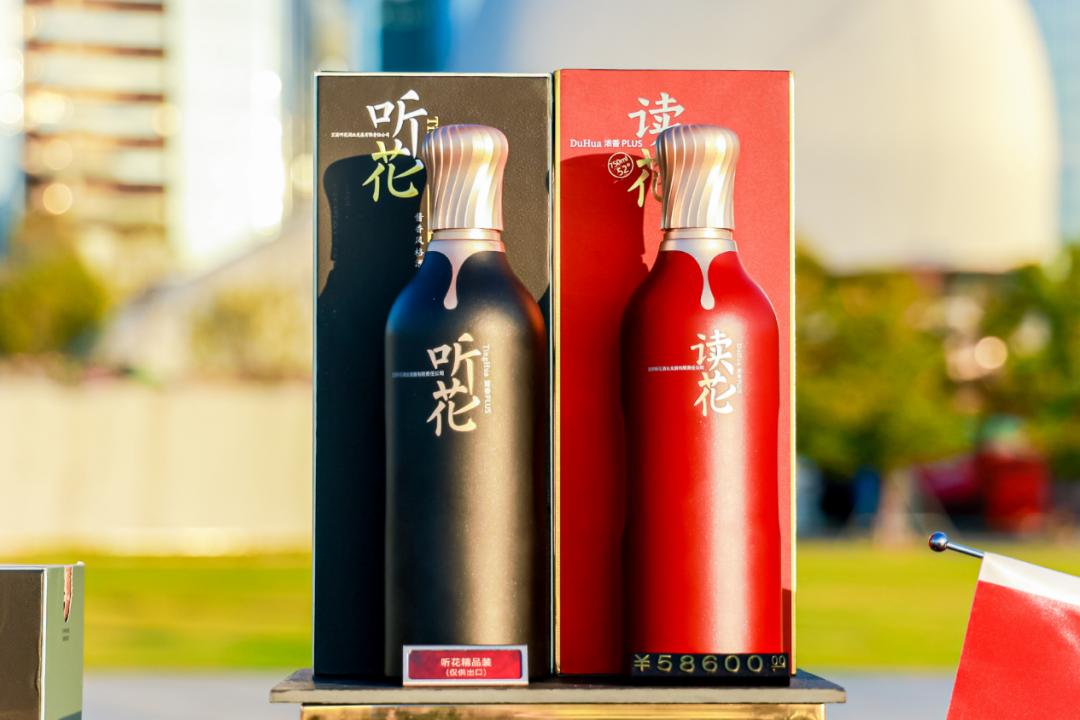
Core Viewpoint - The article discusses the resurgence of the high-priced liquor brand "Tinghua Wine" after being publicly criticized during the 2024 CCTV 315 Gala, questioning whether it can regain consumer trust in a changing market landscape [1][3][11]. Company Overview - Tinghua Wine, launched in 2020, quickly gained visibility through extensive advertising, positioning itself as a high-end product with prices reaching 5860 yuan for standard bottles and 58600 yuan for premium versions [1][3]. - Following a scandal in 2024 where its health claims were exposed as misleading, the brand faced significant backlash, leading to its removal from major online platforms [3][10]. Marketing Strategies - Despite the scandal, Tinghua Wine has attempted a comeback through aggressive marketing, including participation in events, advertisements on major platforms, and promotional campaigns during significant holidays [1][5][6]. - The company's parent, Qinghai Spring, has heavily invested in marketing, with sales expenses constituting nearly 80% of total revenue from 2021 to 2023 [8][10]. Financial Performance - After the brand's re-emergence, Qinghai Spring's stock saw a significant increase, with a reported 70% rise shortly after the announcement of Tinghua Wine's return [5]. - In Q4 2024, Tinghua Wine reported a 164% year-on-year revenue increase, although the parent company's overall revenue for the first half of 2025 showed a 9.76% decline [5][10]. Market Challenges - The white liquor market is experiencing a decline, with a reported 5.8% drop in production and a reduction in the number of large-scale enterprises [13][14]. - Consumer sentiment has shifted towards more rational purchasing decisions, making it difficult for brands like Tinghua Wine to rely solely on traditional marketing tactics [11][14]. Future Outlook - For Tinghua Wine to regain consumer trust, it must focus on product quality and innovative marketing strategies that resonate with modern consumers, rather than relying on past success through storytelling [11][14].