柑橘类产品

Search documents
【环球财经】土耳其2025年农业、食品及饮料行业出口额小幅增长至277.9亿美元
Xin Hua Cai Jing· 2026-02-04 14:38
Core Insights - Turkey's agricultural, food, and beverage industry is projected to achieve an export value of $27.79 billion by 2025, reflecting a year-on-year growth of 0.35% [1] - The industry is expected to record a trade surplus of $4.91 billion in 2025, while imports are anticipated to rise significantly by 25.47% to $22.88 billion [1] - The unit export price has increased by 9.38% year-on-year, reaching $1,436 per ton, indicating an enhancement in the added value of exported products [1] Export Performance - Fresh fruits and vegetables lead the export category with an export value of $3.87 billion [1] - Confectionery products follow with an export value of $3.59 billion [1] - Nuts rank third with an export value of $2.27 billion [1] Top Export Products - Refined sunflower oil is the highest exported agricultural product, exceeding $1 billion in export value [1] - Hazelnuts are close behind, with export values nearing $1 billion [1] - Citrus products rank third with an export value of $891.7 million [1] Import Performance - Soybean imports are the highest, amounting to $1.77 billion [1] - Sunflower seed oil ranks second in imports with a value of $1.25 billion [1] - Animal feed is the largest import category, with an import value of $5.71 billion [1]
特朗普服软了?急辟“拉美粮仓”,拟显著调降多国关税
凤凰网财经· 2025-11-14 13:06
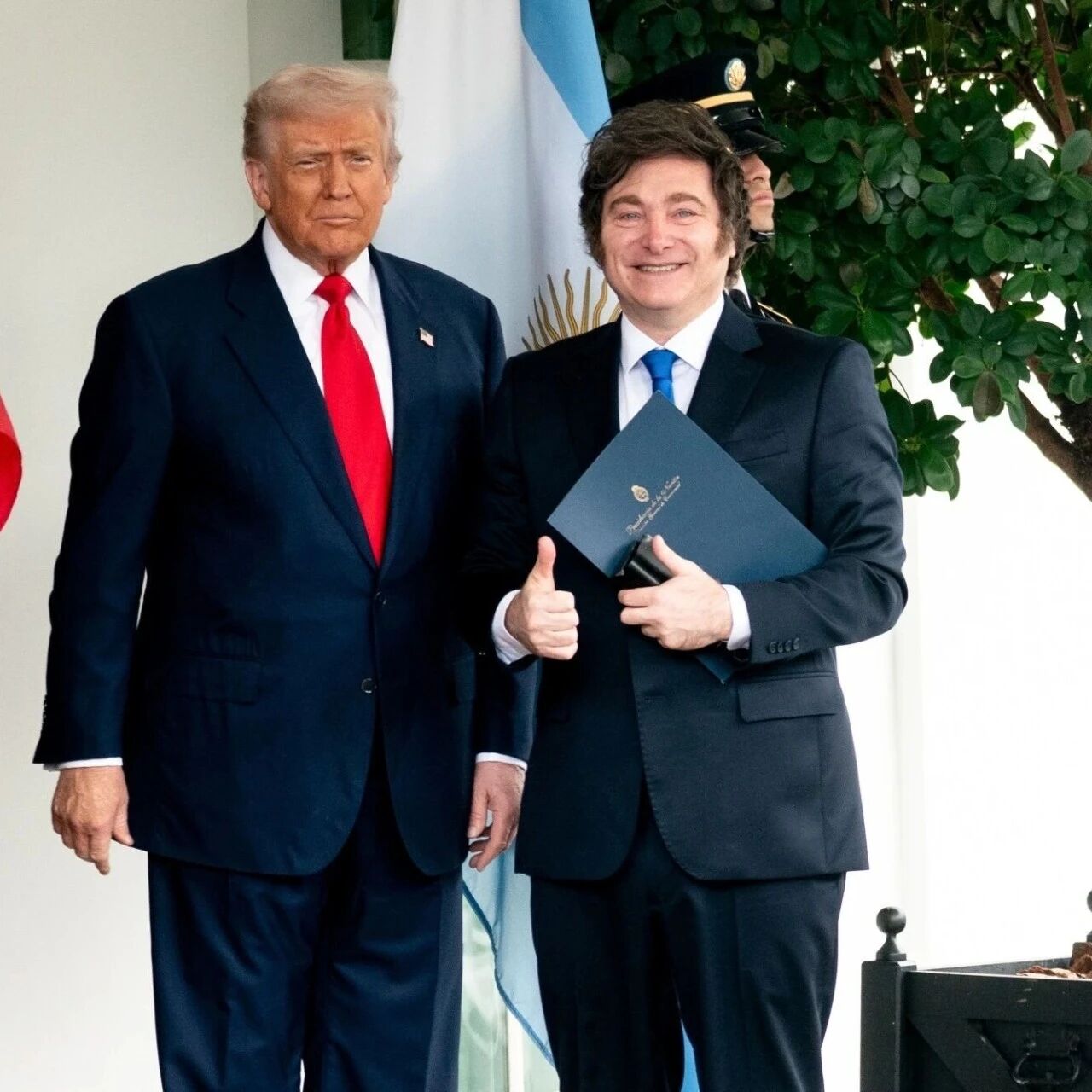
Core Viewpoint - The Trump administration is preparing to significantly reduce tariffs on food products to address rising grocery costs and to establish new trade agreements with Latin American countries, responding to voter concerns about living expenses [1][2]. Group 1: Tariff Reductions - Trump plans to lower tariffs on common food items such as beef, bananas, and coffee beans through new trade agreements with Argentina, Guatemala, El Salvador, and Ecuador [1]. - The administration is considering broader tariff exemptions that could comprehensively reduce tariffs on popular food items, including a commitment to lower coffee bean tariffs [1][2]. Group 2: Trade Agreements - Recent trade agreements with Latin American countries aim to alleviate the burden of grocery expenses that have troubled American consumers for years [1]. - The potential changes in tariffs will be based on products identified in the presidential executive order and agreements with key allies in the Western Hemisphere [4]. Group 3: Government Statements - White House spokesperson Kush Desai emphasized the administration's commitment to a flexible and multifaceted approach to trade and tariff issues [3]. - Discussions regarding adjustments to food tariffs have been ongoing among senior government officials, indicating a proactive stance on addressing food costs [1][3].