比亚迪F0

Search documents
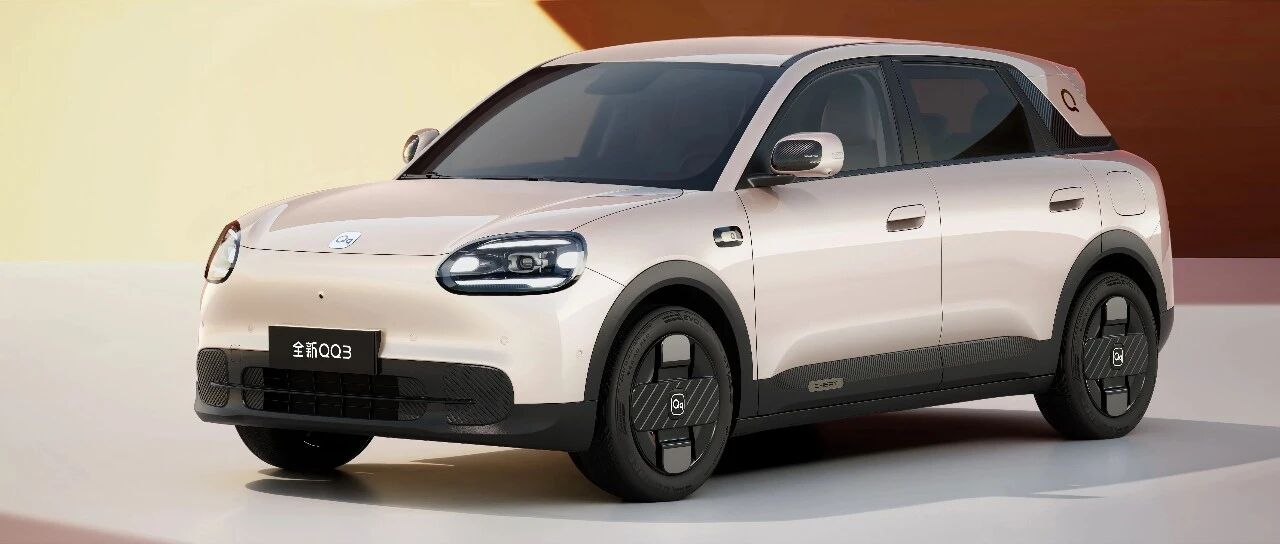
总销量154万台,国民神车复活!纯电小车时代来了?
电动车公社· 2026-02-10 16:02
Core Viewpoint - The small car market is set to experience significant changes and growth, highlighted by the successful launch of new models like the Honda Fit and Chery QQ3, indicating a shift in consumer preferences and market dynamics [1][5][7]. Group 1: Market Dynamics - The new Honda Fit sold out its limited 3,000 units within a short period, showcasing a successful marketing and sales strategy [2][4]. - In contrast, the Chery QQ3 received 27,319 blind orders within just 3 hours of its launch, indicating a strong demand for electric small cars [5][7]. Group 2: Historical Context of Small Cars - Small cars have historically been defined by their size and affordability, catering to essential transportation needs while gaining popularity for their practicality [8][11]. - The evolution of small cars has been influenced by their low entry barriers and ease of imitation, allowing emerging automotive markets to adopt and adapt successful designs [15][16][20]. Group 3: Changes in Chinese Small Car Market - The Chery QQ, launched in 2003, became a market sensation with a starting price below 40,000 yuan, offering features that were competitive for its time [27][30]. - The market for small cars in China has shifted as consumer preferences evolved, with a growing demand for larger, more comfortable vehicles and the rise of compact cars and SUVs [35][37]. Group 4: The New Era of Electric Small Cars - The introduction of the Wuling Hongguang MINI EV in 2020 marked a turning point for electric small cars in China, offering an affordable and practical solution for urban transportation [43][44]. - The competitive landscape for electric small cars is rapidly evolving, with numerous models emerging that emphasize original design and local supply chain capabilities [52][54]. Group 5: Future Outlook - The Chery QQ3 represents a new chapter for the brand, combining modern technology and design to meet the demands of today's consumers [62][65]. - The strong initial demand for the QQ3, evidenced by its blind orders, suggests a promising future for small electric cars in the Chinese market [73].

中国燃油车,在海外杀疯了!
商业洞察· 2025-12-14 09:22
Core Viewpoint - The article discusses the significant transformation of Chinese fuel vehicles from being ridiculed to becoming competitive in international markets, highlighting their successful export growth and market penetration in regions where electric vehicles face challenges [5][31]. Group 1: Export Growth of Chinese Fuel Vehicles - Since 2020, for every four cars exported from China, three have been fuel vehicles [8]. - In 2021, China exported 2.015 million cars, with 1.705 million being fuel vehicles, accounting for 84.6% of total exports [9]. - In 2022, the total car export volume reached 3.111 million, with fuel vehicles increasing to 2.342 million, representing 78.2% [10]. - In 2023, the export volume of traditional fuel vehicles was 3.707 million, making up 75.4% of total exports [11]. - Projections for 2024 indicate that fuel vehicle exports will reach 4.574 million, maintaining a share of 78.1% [12]. Group 2: Market Performance and Competitive Advantage - Chinese fuel vehicles have gained significant market share in regions like Eastern Europe, Latin America, and Africa, with Chinese manufacturers capturing nearly 16% of the South African market in the first half of the year, up from 10% the previous year [14]. - In Chile, Chinese fuel vehicles account for nearly one-third of the market, while traditional brands like Chevrolet and Nissan have seen sales declines of 34% to 45% [15]. - The competitive edge of Chinese fuel vehicles lies in their cost-effectiveness and superior configurations compared to traditional brands, allowing consumers to purchase higher-spec models for similar prices [21][22]. Group 3: Strategic Adaptations and Local Production - Chinese automakers are establishing production bases in key markets such as Thailand, Brazil, and Russia to reduce costs and enhance local supply chains [26]. - This strategy not only helps in avoiding tariffs and logistics costs but also allows for better market integration and responsiveness to local demands [26]. - Some joint venture brands are leveraging Chinese manufacturing advantages to create globally competitive vehicles, with exports constituting nearly 70% of their total sales [29]. Group 4: Future Outlook - The narrative of Chinese fuel vehicles represents a quiet yet robust response to the global shift towards electric vehicles, focusing on markets where practical needs outweigh technological aspirations [31]. - Despite challenges in brand recognition and scale compared to established players like Toyota and Volkswagen, Chinese manufacturers are poised to leverage their complete industrial chain and strategic initiatives to enhance global competitiveness [32].