纯电小车

Search documents
总销量154万台,国民神车复活!纯电小车时代来了?
电动车公社· 2026-02-10 16:02
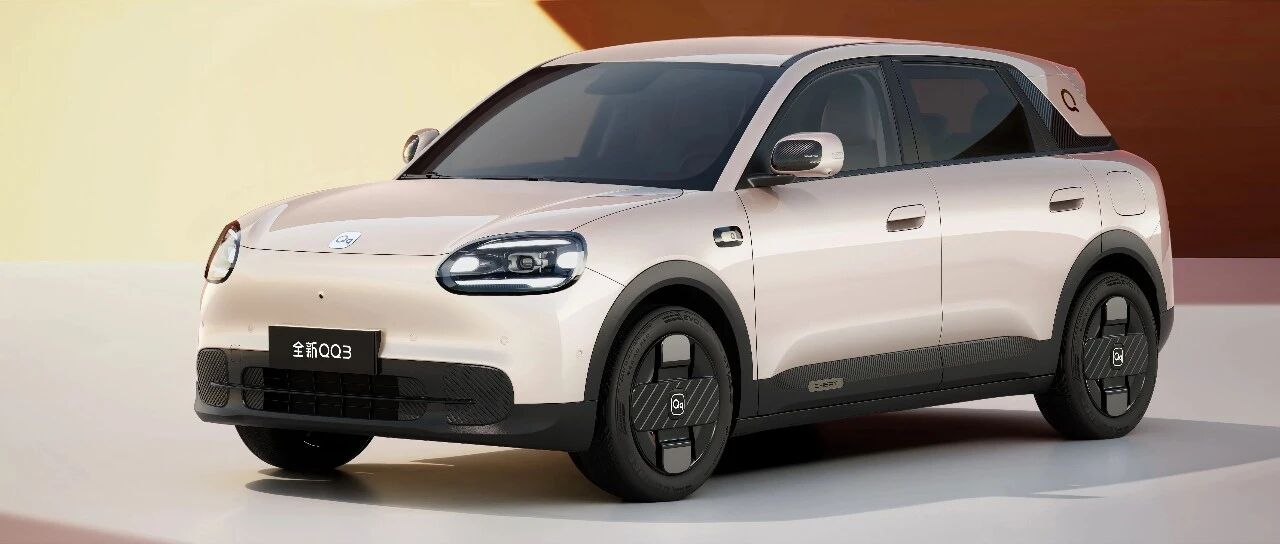
Core Viewpoint - The small car market is set to experience significant changes and growth, highlighted by the successful launch of new models like the Honda Fit and Chery QQ3, indicating a shift in consumer preferences and market dynamics [1][5][7]. Group 1: Market Dynamics - The new Honda Fit sold out its limited 3,000 units within a short period, showcasing a successful marketing and sales strategy [2][4]. - In contrast, the Chery QQ3 received 27,319 blind orders within just 3 hours of its launch, indicating a strong demand for electric small cars [5][7]. Group 2: Historical Context of Small Cars - Small cars have historically been defined by their size and affordability, catering to essential transportation needs while gaining popularity for their practicality [8][11]. - The evolution of small cars has been influenced by their low entry barriers and ease of imitation, allowing emerging automotive markets to adopt and adapt successful designs [15][16][20]. Group 3: Changes in Chinese Small Car Market - The Chery QQ, launched in 2003, became a market sensation with a starting price below 40,000 yuan, offering features that were competitive for its time [27][30]. - The market for small cars in China has shifted as consumer preferences evolved, with a growing demand for larger, more comfortable vehicles and the rise of compact cars and SUVs [35][37]. Group 4: The New Era of Electric Small Cars - The introduction of the Wuling Hongguang MINI EV in 2020 marked a turning point for electric small cars in China, offering an affordable and practical solution for urban transportation [43][44]. - The competitive landscape for electric small cars is rapidly evolving, with numerous models emerging that emphasize original design and local supply chain capabilities [52][54]. Group 5: Future Outlook - The Chery QQ3 represents a new chapter for the brand, combining modern technology and design to meet the demands of today's consumers [62][65]. - The strong initial demand for the QQ3, evidenced by its blind orders, suggests a promising future for small electric cars in the Chinese market [73].

纯电小车都是谁在买?大家看重的是什么?
车fans· 2025-12-02 00:30
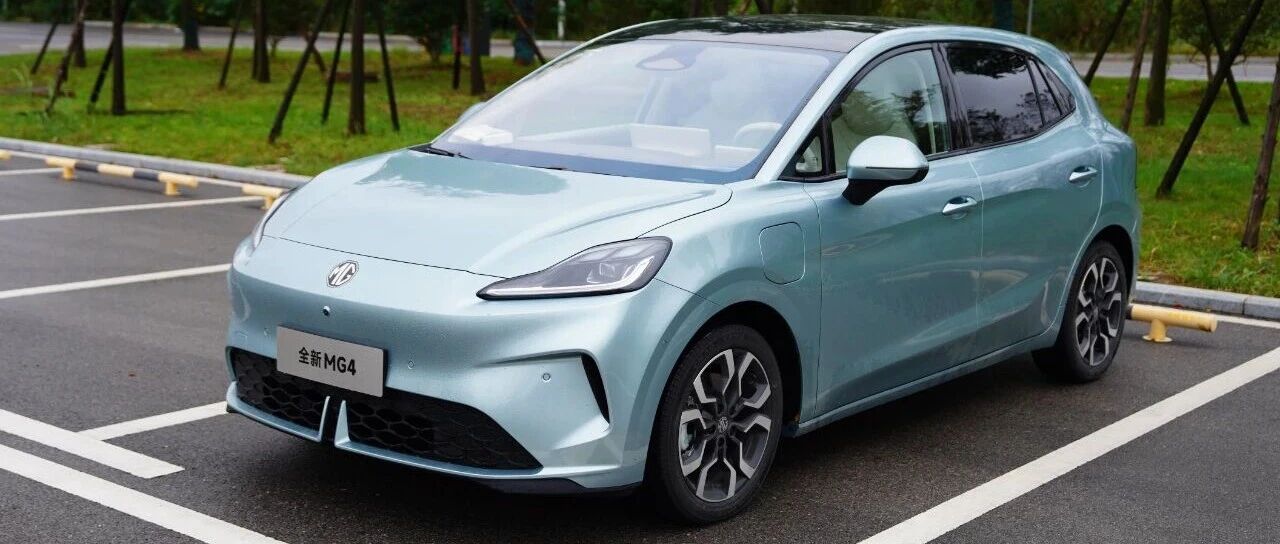
Group 1 - The core topic of the article discusses the characteristics and target demographics of pure electric small cars, particularly focusing on urban transportation models [1] - The MG4 model has achieved significant sales success, with a sales share of 70% [3] - Current policy incentives include a manufacturer subsidy of 3000, interest-free loans of 50000 for two years, lifetime warranty on the battery, motor, and electronic systems, and home charging solutions [4] Group 2 - The customer base for MG4 consists of 80% repeat buyers and 80% from the working class, with key considerations being range and space, preferring compact and easy-to-park vehicles [4] - Customers also value the smart features of the car, requiring smooth operation and responsive controls, with MG4 meeting these demands [5] - Main competitors include Xingyuan, Jihu T1, Bingguo S, and Haiou, with MG4 having advantages in configuration and motor power [6][7] Group 3 - In a local third-tier city, the BYD Haiou model has maintained stable sales, with discounts ranging from 6000 to 7000, and a "super replacement" subsidy of 3000 [10] - The target demographic for small cars includes families, particularly for commuting and child transportation, with price being the primary concern for buyers [10] - The main competitors are the Geely Xingyuan and Wuling Bingguo, with the brand reputation of BYD providing a competitive edge [10] Group 4 - The Xingyuan model is described as extremely popular, consistently ranking first in sales, with a current discount of 3000 [13] - The majority of Xingyuan buyers are women, with purchasing decisions based on aesthetics, sales performance, build quality, brand reputation, and after-sales service [15] - The main competitors for Xingyuan have shifted to include MG4 and Jihu T1, which present challenges due to their larger size and longer range [15] Group 5 - The Jihu T1 model has seen a decline in sales after an initial surge, with current discounts of 1000 for full payment and 2000 for financing [17] - The primary demographic for Jihu T1 consists of individuals aged 25-40, focusing on appearance, space, and price [17] - The main competitor for Jihu T1 is Geely Xingyuan, which has a strong brand presence and ongoing popularity [17]

9万块530km续航!还带高速领航和座椅通风?这台全球车凭啥能卖爆?
电动车公社· 2025-10-23 16:05
Core Viewpoint - The article highlights the rising popularity and competitive pricing of pure electric small cars in the new energy vehicle market, particularly focusing on the MG4 EV, which offers impressive features at a lower price point compared to its competitors [1][3][5]. Group 1: Market Trends - The demand for pure electric small cars has surged, with models like the Geely Xingyuan and Wuling Bingo S/PLUS gaining significant traction in the market [3]. - The MG4 EV, launched at the Chengdu Auto Show, achieved a remarkable sales figure of 11,789 units in its first month, showcasing its strong market acceptance [5]. Group 2: Product Features - The MG4 EV is noted for its "European design with Chinese elements," featuring a stylish interior and advanced technology, which enhances its appeal to consumers [34][36]. - It boasts a range of 530 km and incorporates high-density battery technology, allowing for rapid charging and efficient energy consumption [41][44]. - The vehicle's advanced driver-assistance systems and smart cockpit, developed in collaboration with OPPO, provide a seamless user experience [46][60]. Group 3: Cost Efficiency - The MG4 has transitioned from a rear-wheel drive to a front-wheel drive, enabling a more integrated design that reduces production costs [65]. - The use of in-house battery technology and components from subsidiaries allows for lower manufacturing costs, contributing to the MG4's competitive pricing [69]. - The company has reported 51,549 pre-orders for the MG4, indicating strong consumer interest and confidence in the vehicle's value proposition [71].

长城欧拉是否考虑复活黑猫、白猫?
汽车商业评论· 2025-10-08 23:08
Core Viewpoint - The article discusses the evolution of small cars from traditional fuel vehicles to electric vehicles, highlighting the cultural significance and market potential of new electric models that aim to capture the essence of classic small cars while addressing modern consumer needs [5][10][22]. Group 1: Market Trends and Consumer Behavior - Small cars have inherent attributes of being approachable, stylish, and social, which are now being transferred to electric vehicle owners [5][6]. - The nostalgia and emotional connection associated with classic small cars like the Volkswagen Beetle and BMW MINI are crucial for their enduring popularity [8][23]. - The demand for small electric cars is rising, with new models expected to reshape the market starting in 2025 [10][29]. Group 2: New Electric Models - Smart is set to launch the smart 2, a two-door electric model designed by Mercedes-Benz, which aims to revive the brand's classic spirit [12][17]. - Volkswagen is introducing the ID.Polo, a production version of the ID.2all concept, which leverages the Polo name for emotional branding and aims to be a competitive electric vehicle [19][21]. - The ID.Polo is positioned as an affordable electric vehicle with a target price of around €25,000, featuring a range of up to 450 kilometers [27][29]. Group 3: Competitive Landscape - Chinese brands are emerging with new electric small cars that emphasize quality and sophistication, aiming to capture urban consumers [30][33]. - NIO's firefly model has gained attention in Europe, showcasing advanced features and competitive pricing, with a starting price of €29,900 [33][34]. - Chery is reviving the QQ brand as an independent electric vehicle line, targeting the same market segment as competitors like Geely's Star Wish [36][38]. Group 4: Technological Advancements - The decline in battery costs and advancements in electric vehicle technology are enabling the production of competitive small electric cars [41][43]. - Battery costs have significantly decreased, with lithium iron phosphate battery costs dropping from 0.6 yuan/Wh to around 0.33 yuan/Wh, enhancing the viability of electric small cars [43][44]. - Improved energy density and efficiency in electric vehicles are allowing for better performance and longer ranges, making them more appealing to consumers [44].