名爵MG7

Search documents
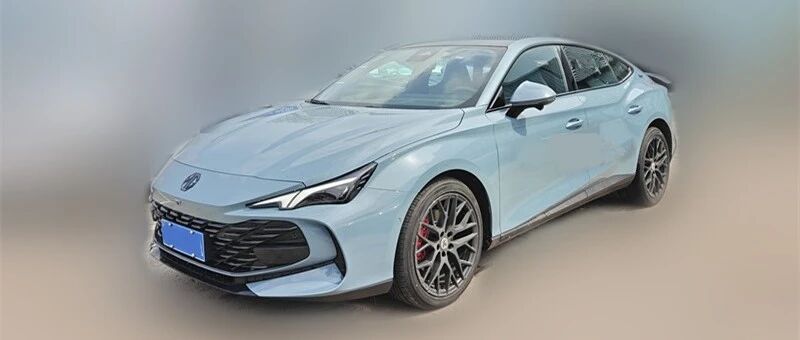
名爵MG7:00后小伙占了80%,为热爱买单经济必须独立
车fans· 2026-04-01 00:29
Core Viewpoint - The article discusses the sales performance and customer demographics of the MG7, highlighting its appeal among younger buyers, particularly those born after 2000, who are purchasing their first cars and are drawn to the vehicle's design and features [2][4][5]. Sales Performance - The local dealership sold a total of 52 cars last month, with 9 units of MG7 sold, indicating a strong interest in this model [2]. - The dealership currently has 10 MG7 vehicles in stock, primarily the mid-range 2.0T 405 AT Luxury version, with colors mainly in Andes Gray and Emerald Green [3]. Customer Demographics - 80% of MG7 buyers are from the post-2000 generation, typically earning a monthly salary of 4,000 to 6,000 yuan, and many have saved for years to afford their first car [4]. - Customers are often influenced by their families, with some facing pressure to choose more established brands over domestic options like MG7 [5][11]. Competitive Landscape - Customers compare MG7 with various models, including Changan UNI-V, Chery Arrizo 8, and even higher-end models like Nissan Teana and Honda Accord [7][8]. - The MG7's configuration and features are competitive, but parental influence often sways younger buyers towards more traditional brands [11]. Configuration and Pricing - The MG7 1.5T model is priced at 137,900 yuan, with a fixed national price of 116,900 yuan, while the 2.0T models have discounts of up to 24,000 yuan [13]. - The best-selling configuration is the mid-range 2.0T 405 AT Luxury version, which accounts for over 80% of sales, while the top-tier 2.0T Trophy+ version has not sold since its launch due to its higher price point [13]. Financing Options - Customers can benefit from financing options, including an 80,000 yuan loan with 24 months of interest-free payments [16]. Customer Feedback - Common complaints include slow Apple CarPlay connectivity and the absence of wireless charging, which customers find disappointing given the price point [17]. - Regular maintenance costs for the 1.5T model are around 400 yuan, while the 2.0T model is slightly higher, with a maintenance cycle of one year or 10,000 kilometers [19]. Purchase Considerations - Buyers opting for the 1.5T model can receive a trade-in subsidy of 5,000 yuan, while the 2.0T model offers an 8,000 yuan subsidy [20]. - The 1.5T model has removed lifetime maintenance and core component warranty, which may affect buyer decisions [20].


【联合发布】一周新车快讯(2026年1月1日-1月9日)
乘联分会· 2026-01-12 09:28
Core Viewpoint - The article provides an overview of upcoming vehicle models from various manufacturers, detailing their specifications, market segments, and expected launch dates, highlighting the competitive landscape in the automotive industry for 2026 [2][5][10]. Group 1: Upcoming Models Overview - FAW Toyota will launch the Toyota bZ3 on December 31, 2025, targeting the B NB segment with a price range of 10.98 to 15.98 million yuan [10]. - Geely Auto is set to release the Geely Emgrand on January 1, 2026, in the A NB segment, priced at 7.29 million yuan [18]. - Lynk & Co will introduce the Lynk 08 EM-P on January 1, 2026, as a B SUV with a price of 20.58 million yuan [25]. - Smart will launch the smart 1 on January 1, 2026, in the AO SUV segment, priced at 13.99 million yuan [34]. - SAIC Passenger Vehicle will release the MG7 on January 6, 2026, in the B NB segment, with prices ranging from 13.79 to 17.89 million yuan [41]. - Beijing Hyundai will launch the Hyundai Santa Fe on January 6, 2026, in the B SUV segment, with a price range of 19.58 to 26.88 million yuan [49]. - GAC Toyota will introduce the Toyota Camry on January 7, 2026, in the B NB segment, with prices ranging from 19.58 to 26.88 million yuan [57]. - Dongfeng Honda will launch the Honda HR-V on January 8, 2026, in the A SUV segment, with prices between 15.99 and 17.59 million yuan [65]. - Xpeng Motors will release multiple models including the P7+, G7, G6, and G9 on January 8, 2026, with prices ranging from 18.68 to 27.88 million yuan [71][82][96]. - BYD will introduce the Qin PLUS DM-i and other models on January 8 and 9, 2026, with prices ranging from 7.98 to 12.68 million yuan [102][110][118]. Group 2: Technical Specifications - The Toyota bZ3 features a pure electric engine with a power output of 135 kW and a torque of 303 N·m, offering a range of up to 610 km [10]. - The Geely Emgrand is equipped with a 1.5L engine, producing 88 kW and 150 N·m of torque [18]. - The Lynk 08 EM-P has a 1.5T plug-in hybrid engine with a total power output of 300 N·m [25]. - The smart 1 offers a pure electric engine with a power output of 175 kW and a torque of 300 N·m, with a range of 410 km [34]. - The MG7 features a 1.5T engine with a power output of 138 kW and a torque of 300 N·m [41]. - The Hyundai Santa Fe is powered by a 2.0T engine, producing 182 kW and 353 N·m of torque [49]. - The Honda HR-V has a 1.5T engine with a power output of 134 kW and a torque of 240 N·m [65]. - The Xpeng P7+ offers both range-extended and pure electric versions, with the latter providing a range of 725 km [71]. - BYD's Qin PLUS DM-i features a 1.5L plug-in hybrid engine with a total power output of 210 km range [102].




中国燃油车,在海外杀疯了!
商业洞察· 2025-12-14 09:22
Core Viewpoint - The article discusses the significant transformation of Chinese fuel vehicles from being ridiculed to becoming competitive in international markets, highlighting their successful export growth and market penetration in regions where electric vehicles face challenges [5][31]. Group 1: Export Growth of Chinese Fuel Vehicles - Since 2020, for every four cars exported from China, three have been fuel vehicles [8]. - In 2021, China exported 2.015 million cars, with 1.705 million being fuel vehicles, accounting for 84.6% of total exports [9]. - In 2022, the total car export volume reached 3.111 million, with fuel vehicles increasing to 2.342 million, representing 78.2% [10]. - In 2023, the export volume of traditional fuel vehicles was 3.707 million, making up 75.4% of total exports [11]. - Projections for 2024 indicate that fuel vehicle exports will reach 4.574 million, maintaining a share of 78.1% [12]. Group 2: Market Performance and Competitive Advantage - Chinese fuel vehicles have gained significant market share in regions like Eastern Europe, Latin America, and Africa, with Chinese manufacturers capturing nearly 16% of the South African market in the first half of the year, up from 10% the previous year [14]. - In Chile, Chinese fuel vehicles account for nearly one-third of the market, while traditional brands like Chevrolet and Nissan have seen sales declines of 34% to 45% [15]. - The competitive edge of Chinese fuel vehicles lies in their cost-effectiveness and superior configurations compared to traditional brands, allowing consumers to purchase higher-spec models for similar prices [21][22]. Group 3: Strategic Adaptations and Local Production - Chinese automakers are establishing production bases in key markets such as Thailand, Brazil, and Russia to reduce costs and enhance local supply chains [26]. - This strategy not only helps in avoiding tariffs and logistics costs but also allows for better market integration and responsiveness to local demands [26]. - Some joint venture brands are leveraging Chinese manufacturing advantages to create globally competitive vehicles, with exports constituting nearly 70% of their total sales [29]. Group 4: Future Outlook - The narrative of Chinese fuel vehicles represents a quiet yet robust response to the global shift towards electric vehicles, focusing on markets where practical needs outweigh technological aspirations [31]. - Despite challenges in brand recognition and scale compared to established players like Toyota and Volkswagen, Chinese manufacturers are poised to leverage their complete industrial chain and strategic initiatives to enhance global competitiveness [32].

中国燃油车,在海外杀疯了
3 6 Ke· 2025-12-11 00:29
Core Viewpoint - The article discusses the significant transformation of Chinese fuel vehicles from being ridiculed to becoming competitive in international markets, highlighting their rapid growth and acceptance in regions where electric vehicles face challenges due to infrastructure and cost issues [3][19]. Group 1: Export Growth of Chinese Fuel Vehicles - Since 2020, three out of every four cars exported from China have been fuel vehicles [4]. - In the first eleven months of 2023, major exporters like Chery and SAIC have shown strong performance in fuel vehicle exports, with Chery exporting approximately 800,000 fuel vehicles [5]. - In 2021, 84.6% of China's car exports were fuel vehicles, with this figure slightly decreasing to 75.4% in 2023, but still indicating a strong presence in the market [6]. Group 2: Market Performance and Strategy - Chinese fuel vehicles have gained significant market share in regions like Eastern Europe, Latin America, and Africa, with Chinese manufacturers capturing nearly 16% of the South African market in the first half of the year [7]. - In Chile, Chinese fuel vehicles account for nearly one-third of the market, while traditional brands have seen significant declines in sales [8]. - The competitive strategy of Chinese manufacturers includes offering higher specifications at similar price points compared to established brands, appealing to cost-conscious consumers [11][13]. Group 3: Advantages of Chinese Fuel Vehicles - The appeal of Chinese fuel vehicles lies in their cost-effectiveness and reliability, addressing the practical needs of consumers in markets with limited electric vehicle infrastructure [9][15]. - Chinese automakers have upgraded their production standards to meet international safety and reliability benchmarks, enhancing their competitiveness [15]. - The establishment of local production bases in key markets allows Chinese companies to reduce costs and better respond to local demand, contributing to their growing global presence [15][17]. Group 4: Future Outlook - The narrative of Chinese fuel vehicles represents a strategic evolution from merely exporting products to establishing a sustainable global presence, leveraging cost and technological advantages [19]. - Despite challenges in brand recognition and market scale compared to global giants like Toyota and Volkswagen, Chinese fuel vehicles are carving out a niche in markets where practical needs outweigh technological aspirations [19][20].

中国燃油车,在海外杀疯了!
Xin Lang Cai Jing· 2025-12-10 14:05
Core Viewpoint - The article discusses the significant growth of Chinese fuel vehicles in overseas markets, highlighting their competitive advantages in terms of price and features compared to traditional brands, despite the global shift towards electric vehicles [4][25]. Group 1: Export Growth of Fuel Vehicles - Since 2020, for every four cars exported from China, three have been fuel vehicles [5]. - In 2021, China exported 2.015 million cars, with 1.705 million being fuel vehicles, accounting for 84.6% [6]. - In 2022, the total car export volume reached 3.111 million, with fuel vehicles increasing to 2.342 million, representing 78.2% [7]. - In 2023, the export volume of traditional fuel vehicles was 3.707 million, making up 75.4% of total exports [8]. - Projections for 2024 indicate that fuel vehicle exports will reach 4.574 million, maintaining a share of 78.1% [9]. Group 2: Market Performance and Competitiveness - Chinese fuel vehicles are performing well in secondary markets such as Eastern Europe, Latin America, and Africa, with significant market shares [12]. - In South Africa, Chinese manufacturers captured nearly 16% of the automotive market in the first half of the year, up from 10% the previous year [12]. - In Chile, Chinese fuel vehicles accounted for nearly one-third of the market, while traditional brands saw sales declines of 34% to 45% [12]. Group 3: Advantages of Chinese Fuel Vehicles - Chinese fuel vehicles offer superior cost-performance ratios, allowing consumers to purchase larger and better-equipped vehicles for the same price as basic models from traditional brands [16][38]. - For example, in Saudi Arabia, the price of a base model Nissan Sylphy can buy a fully equipped MG7, which offers better performance and features [38]. - The strategy of providing high configurations at competitive prices has proven effective in attracting budget-conscious consumers [40]. Group 4: Industry Upgrades and Global Strategy - Chinese automakers have upgraded their production standards to meet international safety and reliability benchmarks, moving from merely exporting products to establishing local production bases in key markets [21][42]. - Companies like Chery, SAIC, and Geely have successfully transitioned to building local supply chains and sales networks, enhancing their global competitiveness [21][44]. - Some joint ventures have also leveraged Chinese manufacturing advantages to boost their export operations significantly [23][45]. Group 5: Future Outlook - The narrative of Chinese fuel vehicles represents a "silent yet solid" counterattack in the face of the electric vehicle trend, focusing on practical needs in markets where electric infrastructure is lacking [25][46]. - Despite challenges in brand recognition and scale compared to global giants like Toyota and Volkswagen, Chinese manufacturers are poised to convert their cost and technology advantages into sustainable global competitiveness [25][46].




中国燃油车,在海外杀疯了!
凤凰网财经· 2025-12-10 13:29
Core Viewpoint - The article discusses the significant transformation of Chinese fuel vehicles from being ridiculed to becoming competitive in international markets, highlighting their rapid growth and acceptance overseas, particularly in regions where electric vehicle infrastructure is lacking [3][4][31]. Group 1: Export Growth of Fuel Vehicles - Since 2020, three out of every four cars exported from China have been fuel vehicles [5]. - In 2021, China exported 2.015 million vehicles, with 1.705 million being fuel vehicles, accounting for 84.6% of total exports [7]. - The export volume of fuel vehicles increased to 2.342 million in 2022, representing 78.2% of total exports [8]. - In 2023, the export volume of traditional fuel vehicles reached 3.707 million, making up 75.4% of total exports [9]. - Projections for 2024 indicate that fuel vehicle exports will rise to 4.574 million, maintaining a share of 78.1% [10]. - Notably, in the first eleven months of 2024, major exporters like Chery and SAIC have shown strong performance in fuel vehicle exports [11][12]. Group 2: Market Penetration and Competitive Advantage - Chinese fuel vehicles are gaining traction in emerging markets such as Eastern Europe, Latin America, and Africa, with significant market shares reported [13][14]. - The article emphasizes that despite the global push for electric vehicles, fuel vehicles remain the preferred choice in many regions due to their established technology and convenience [18][19]. - Chinese fuel vehicles offer superior value for money, providing more features and larger sizes compared to traditional brands at similar price points [22][23]. - The strategy of offering high-specification vehicles at competitive prices has proven effective in attracting consumers in various markets [24][25]. - Chinese automakers are increasingly establishing local production bases in key markets, which helps reduce costs and improve responsiveness to local demand [26][30]. Group 3: Industry Evolution and Future Outlook - The narrative of Chinese fuel vehicles represents a shift from merely exporting products to establishing a sustainable global presence through local manufacturing and service networks [26][31]. - The article notes that while Chinese brands still face challenges in brand recognition and scale compared to established players like Toyota and Volkswagen, they are leveraging their complete supply chain advantages [30][31]. - The future of Chinese fuel vehicles appears promising as they adapt to meet the practical needs of consumers in markets where electric vehicle infrastructure is still developing [31][32].