永盛号货轮

Search documents
世界海洋日,“雪龙2”号带来极地海洋新故事
Xin Hua Wang· 2025-06-09 08:34
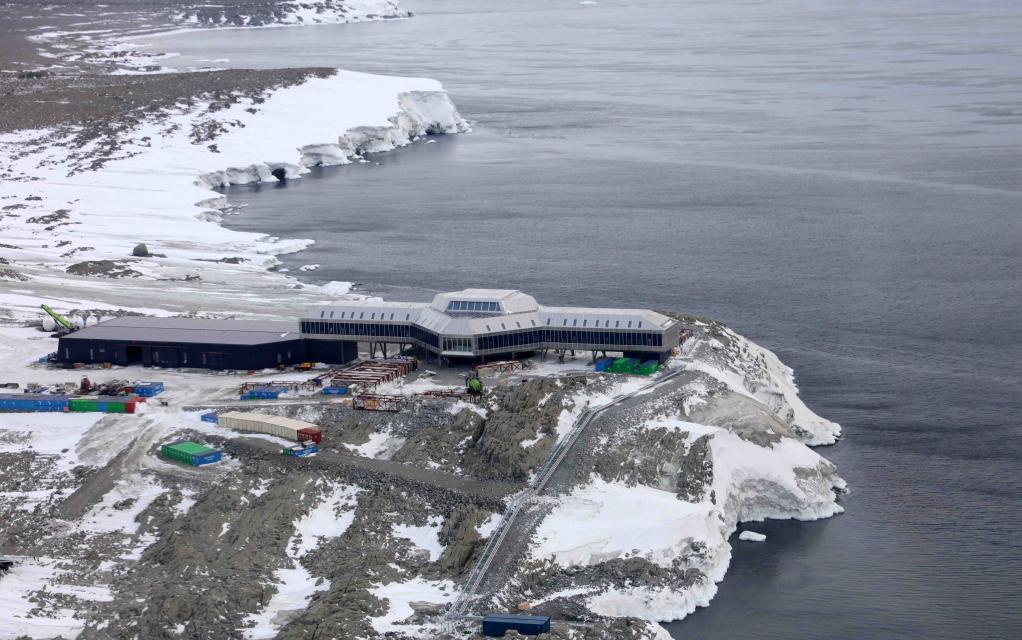
Core Insights - The article highlights the achievements of China's 41st Antarctic expedition aboard the "Xuelong 2" ship, emphasizing the significance of polar marine research and the advancements in clean energy systems at the newly established Qinling Station [1][4][10]. Group 1: Antarctic Expedition Achievements - The "Xuelong 2" ship completed a record-long journey of over 80,000 nautical miles, marking the longest expedition in China's polar exploration history [1]. - The expedition successfully established the Qinling Station, which features a new energy system that can achieve over 60% clean energy usage, saving over 100 tons of fossil fuel annually [4][5]. - The team conducted the first autumn scientific survey in the Southern Ocean, completing 24 comprehensive marine investigation stations and collecting over 5,000 samples [5][7]. Group 2: Environmental and Biological Discoveries - The expedition discovered significant biological activity in the "ice-interstitial lakes," which are crucial for the survival of plankton during winter [7]. - New microbial species were identified, including six new genera and seven new species of Antarctic bacteria, indicating potential for future medical and cosmetic applications [8]. - The expedition retrieved sediment cores from the Amundsen Sea, preserving geological history that could inform about Earth's climate evolution over thousands to millions of years [10]. Group 3: Broader Implications - The findings underscore the interconnectedness of human life and polar ecosystems, highlighting the importance of understanding and protecting polar regions in the context of global climate change [10][11].

第41次南极考察|汽笛长鸣,在旷古冰原上——中国第41次南极考察难忘瞬间回眸
Xin Hua She· 2025-06-08 07:16
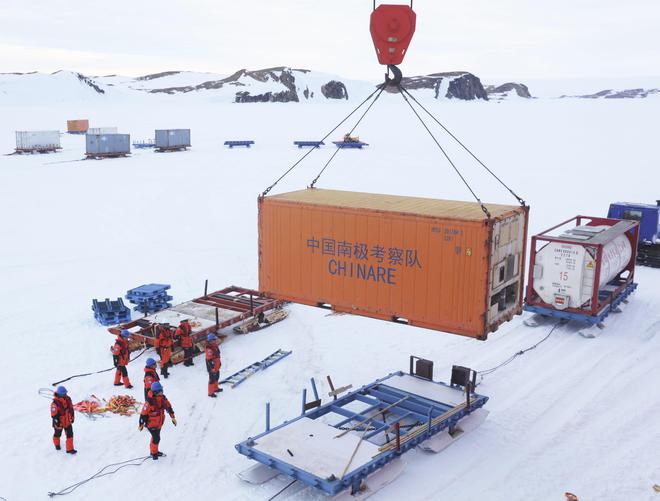
Core Insights - The article highlights the successful completion of China's 41st Antarctic expedition, marking the longest voyage in the country's polar exploration history, with the icebreaker "Xuelong 2" returning to its home port in Shanghai after seven months at sea [1][12]. Group 1: Expedition Overview - The expedition involved the icebreakers "Xuelong" and "Xuelong 2," which faced significant challenges due to severe ice conditions, requiring adaptive strategies to ensure successful cargo transfer and mission completion [2][4]. - The team successfully delivered supplies to the Zhongshan Station despite encountering unexpected ice thickness, demonstrating resilience and problem-solving capabilities [4][11]. Group 2: Challenges Faced - The crew of "Xuelong 2" experienced extreme weather conditions, including strong winds and low visibility, which complicated their operations and necessitated teamwork and perseverance [5][7]. - The expedition faced equipment malfunctions due to freezing temperatures, requiring innovative solutions to maintain operational efficiency and data accuracy [9][11]. Group 3: Scientific Contributions - The expedition achieved significant scientific milestones, including the completion of 24 comprehensive ocean survey stations and the collection of over 5,000 samples, contributing to the understanding of the Ross Sea's water structure [11]. - The successful deployment of various observation buoys and the collection of biological and sediment samples further enhanced the scientific output of the mission [11]. Group 4: Conclusion and Future Endeavors - The article concludes with a reflection on the journey's challenges and triumphs, emphasizing the ongoing commitment to polar exploration and the anticipation of future expeditions [13].