汇添富中证细分有色金属产业主题ETF联接C(019165)

Search documents
双重缓冲机制,滞胀阴影下的组合解药?从汇添富中证细分有色金属产业主题ETF联接C(019165)再看资产配置底层逻辑
Sou Hu Cai Jing· 2026-02-06 07:38
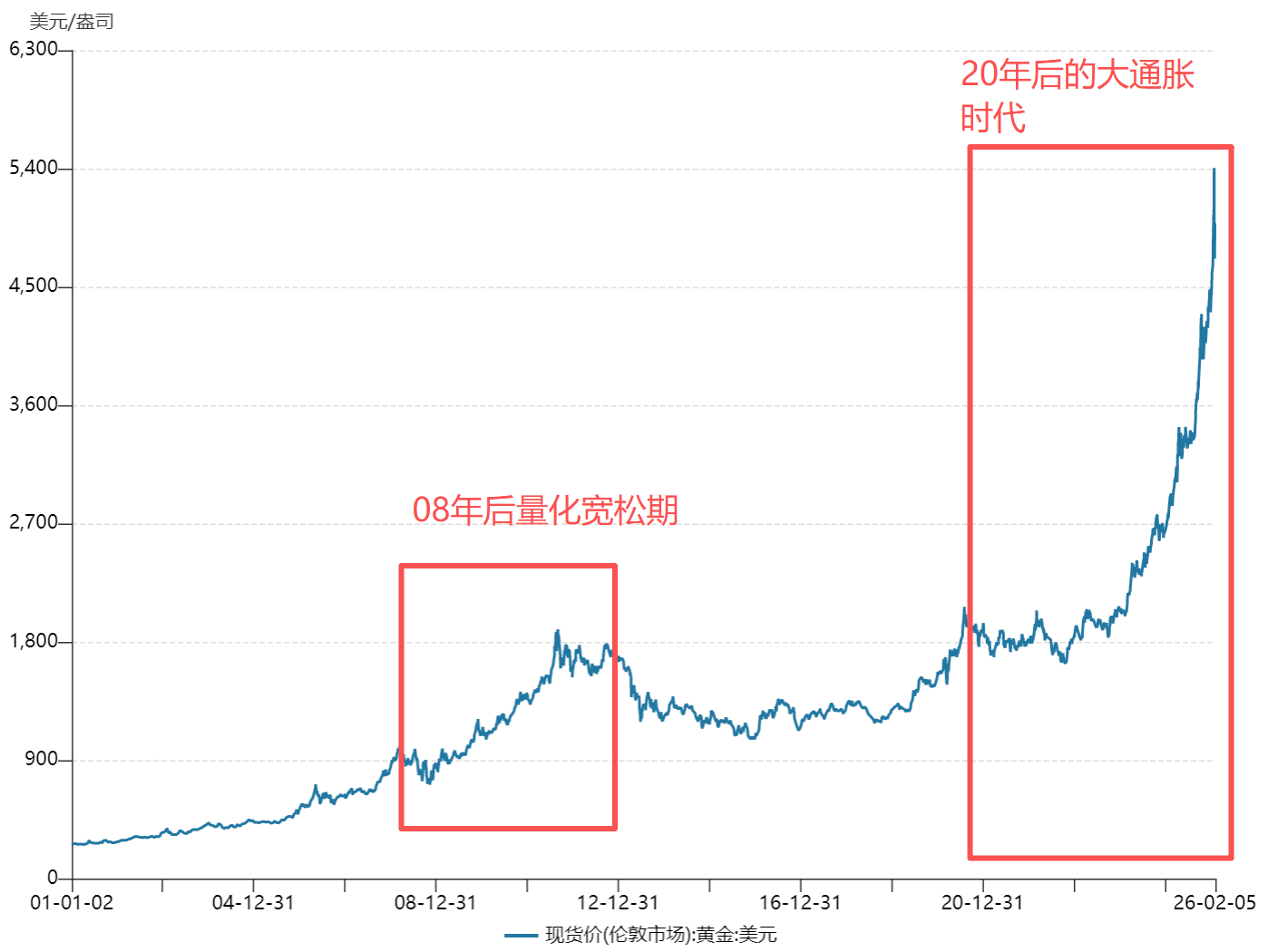
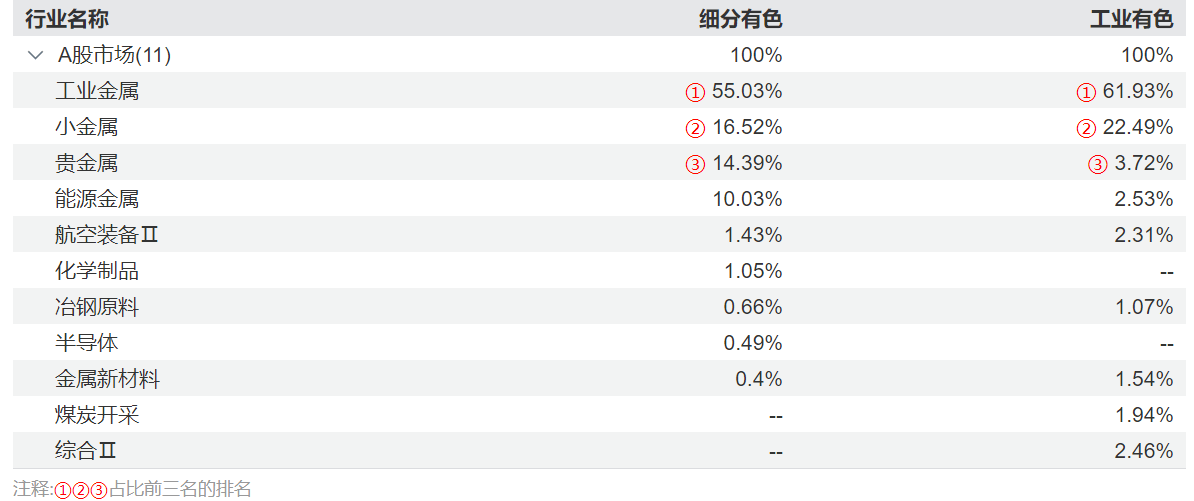
Core Insights - The article emphasizes the need for a reassessment of asset allocation strategies in light of increasing global macroeconomic uncertainties and rising correlations between traditional equity and bond assets [1] - It highlights the unique role of precious metals ETFs as risk diversifiers in investment portfolios, particularly during periods of economic stagnation and high inflation [1] Group 1: Market Dynamics - Precious metals such as copper, aluminum, and gold exhibit a non-linear relationship with stock and bond yields, making them valuable during economic downturns [1] - The demand for copper is being reshaped by long-term factors such as new energy installations and AI data center construction, while supply constraints persist due to reduced capital expenditures from 2018 to 2022 [1] - Historical data shows that during the quantitative easing period post-2008, gold prices surged from approximately $750/oz to $1,900/oz, reflecting a 150% increase over three years [1] Group 2: Inflation and Asset Performance - During the inflation surge from 2020 to 2022, gold prices rose from below $1,450 to over $3,400/oz by 2025, while copper prices increased from $4,400/ton to over $10,700/ton, marking a 140% rise within 15 months [2][4] - Gold serves as a hedge against currency devaluation, while copper captures demand expansion during industrial recovery phases [4] Group 3: Investment Strategies - The investment strategy employed by David Swensen at Yale involved increasing the allocation to physical assets like commodities and energy to about 15%, leveraging their low correlation with financial assets [5] - Precious metals ETFs provide a practical avenue for ordinary investors to engage in this strategy, offering essential cyclical hedging capabilities [6] Group 4: ETF Performance and Structure - The ETF in focus, Huatai-PineBridge's index, covers a broad range of metals including gold, copper, aluminum, lithium, and rare earths, positioning it to benefit from a "super cycle" in the metals market [6] - As of February 5, 2026, the index's top three sectors are copper (34.2%), aluminum (14.6%), and gold (14.4%), indicating a balanced exposure to both industrial and precious metals [7][9] - The fund has achieved a remarkable return of 173.08% over the past two years, significantly outperforming major indices like the CSI 300, with a lower maximum drawdown, showcasing a favorable risk-return profile [9]

五年回报超120%,却波动更低!汇添富中证细分有色金属产业主题ETF联接C(019165)长期配置价值凸显
Sou Hu Cai Jing· 2026-02-06 03:59
Core Viewpoint - The article discusses the investment landscape in non-ferrous metals, highlighting the comparative advantages of the CSI Segmented Non-Ferrous Metals Industry Theme Index over the CSI Industrial Non-Ferrous Metals Theme Index in terms of composition, risk-return characteristics, and macro adaptability [1][2]. Group 1: Index Composition and Structure - The CSI Segmented Non-Ferrous Metals Index includes a diverse range of metals, such as precious metals (gold and silver), rare metals (like lithium and rare earths), and industrial metals (copper, aluminum, lead, and zinc), creating a triad structure that captures both cyclical manufacturing recovery and safe-haven premiums during geopolitical tensions [2][4]. - In contrast, the CSI Industrial Non-Ferrous Metals Index is limited to industrial metals, which may reflect industrial prosperity but lacks the stabilizing effect of precious metals, resulting in higher volatility [2][4]. Group 2: Performance Metrics - Over the past five years, the CSI Segmented Non-Ferrous Metals Industry Theme Index has achieved a return of over 120% with an annualized volatility of approximately 30%, while the CSI Industrial Non-Ferrous Metals Theme Index recorded a return of 87.99% with an annualized volatility of 33% [4][5]. - The CSI Segmented Non-Ferrous Metals Index has demonstrated a "low volatility, high return" advantage, particularly during macroeconomic disturbances, as seen during the geopolitical conflicts in 2022 and the banking crisis in 2023, where the gold component helped mitigate overall portfolio volatility [4][5]. Group 3: Investment Opportunities - The Huatai-PB CSI Segmented Non-Ferrous Metals Industry Theme ETF (159652) covers a wide range of sub-sectors, including gold, copper, aluminum, lithium, and rare earths, positioning it to benefit from the "super cycle" in non-ferrous metals [5][6]. - The top three weighted sectors in the index as of February 5, 2026, are copper (34.2%), aluminum (14.6%), and gold (14.4%), effectively combining industrial and precious metals to enhance risk-return profiles [6][8]. - The Huatai-PB CSI Segmented Non-Ferrous Metals Industry Theme ETF Link C (019165) offers a flexible fee structure, making it suitable for investors looking to capitalize on the volatility in non-ferrous metals while minimizing transaction costs [8].
AI算力重构需求逻辑!有色PE中枢有望抬升,汇添富中证细分有色金属产业主题ETF联接C(019165)估值消化能力突出
Sou Hu Cai Jing· 2026-02-05 03:40
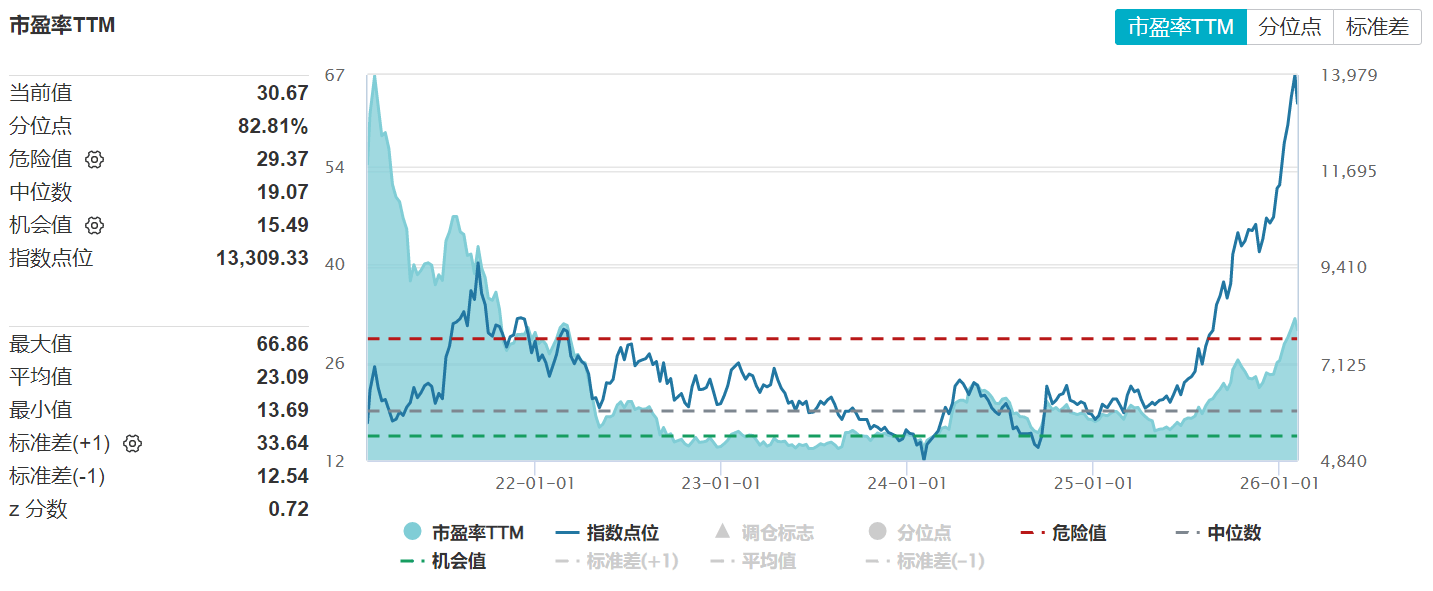
Core Insights - The fundamental landscape of the non-ferrous metals sector has undergone a significant transformation, driven by surging demand from AI computing power, grid upgrades, and the restructuring of new energy [1] - Despite the high volatility and valuation labels traditionally associated with cyclical stocks, the sector's valuation has dropped to the 70th percentile historically, with core stocks generally trading at a price-to-earnings (P/E) ratio below 20 times, a notable decline from the peak in 2021 [1] - The expected earnings per share (EPS) growth for the sector in 2026 is projected to be between 35% and 45%, indicating a robust growth outlook that supports the current valuation levels [1] Valuation Analysis - The CSI Non-Ferrous Metals Industry Theme Index has a P/E-TTM of approximately 30 times, slightly above the average of the entire A-share market at around 23 times, but significantly lower than the peak valuation of over 50-60 times in 2021, providing a substantial safety margin [1][4] - Core industrial metal stocks, particularly in the copper sector, have seen P/E ratios fall below 20 times, while leading companies in the electrolytic aluminum sector have valuations compressed to the range of 10-15 times, well below the 50 times peak in 2021 [1][4] Profit Growth Drivers - The profitability of the non-ferrous metals sector is experiencing a profound transformation, with traditional real estate demand weakening and emerging technology demand surging, indicating a shift from strong cyclicality to "technology growth" characteristics [4] - Predictions from major financial institutions like Goldman Sachs, Citigroup, and JPMorgan suggest that net profit growth for industrial metal companies, such as copper and aluminum, is expected to be in the range of 20%-30%, with some leading companies potentially exceeding 50% growth [4] Emerging Demand Trends - The construction of AI data centers is at its peak, with copper intensity in a single megawatt AI data center reaching 27-33 tons, more than three times that of traditional data centers [7] - Global investment in the power grid is projected to reach $388 billion in 2024, a 9% year-on-year increase, with further acceleration expected in 2026, providing a solid foundation for sector profitability [7] ETF and Investment Opportunities - The Huatai-PineBridge CSI Non-Ferrous Metals Industry Theme ETF (159652) covers a comprehensive range of sub-sectors including gold, copper, aluminum, lithium, and rare earths, positioning it to benefit from the "super cycle" in non-ferrous metals [7] - The ETF's structure, with a significant weight in copper (34.2%) and aluminum (14.6%), allows for strong performance during industrial metal bull markets while providing stability during cyclical adjustments [10]