有色金属产业

Search documents
“清单化+责任制”啃下“硬骨头”
Guang Xi Ri Bao· 2026-02-13 04:20
Core Viewpoint - The establishment of the "Ten Ones" working group in Guangxi aims to enhance the high-quality development of the non-ferrous metal industry through a structured and collaborative approach, addressing complex challenges and ensuring effective implementation of key tasks [1][2]. Group 1: Establishment and Purpose of the Working Group - The "Ten Ones" working group was formed to tackle the intricate challenges faced by Guangxi's non-ferrous metal industry, which is characterized by its widespread nature and long-term difficulties [1]. - The working mechanism involves a top-down approach led by the regional government, with a focus on creating a collaborative network for efficient operations and coordinated efforts [1]. Group 2: Task Management and Accountability - The working group has broken down ten key tasks into 54 specific actions, assigning responsibility to 25 units to ensure clarity in accountability and timelines [2]. - Monthly meetings are held to review progress against the task list, addressing any bottlenecks and ensuring that each task has a designated leader and a clear roadmap [2]. Group 3: Progress and Effectiveness - As of now, 36 out of 54 specific tasks have been completed, resulting in a completion rate of over 66% [2]. - The "Ten Ones" working model has received recognition from regional leadership for its effectiveness and is being used as a model for industrial transformation across the region [3]. Group 4: Knowledge Sharing and Replication - A practical manual has been developed to document the working group's experiences and methodologies, providing a reference for other cities and departments in the region [3]. - The manual outlines 26 specific measures across three dimensions: operational mechanisms, support systems, and implementation strategies, promoting a culture of learning and practical application [3].
厚植八桂生态优势 壮美广西更加秀丽
Zhong Guo Huan Jing Bao· 2026-02-06 04:09
Core Viewpoint - The news highlights the significant progress made by Guangxi in ecological environment protection and sustainable development during the year 2025, emphasizing the integration of ecological advantages into economic growth and the promotion of high-quality development through various environmental initiatives [2][3][4][5][6][7]. Group 1: Ecological Environment Protection Achievements - In 2025, Guangxi's air quality improved significantly, achieving a 96.1% rate of good air quality days and a PM2.5 concentration of 25.9 micrograms per cubic meter [4]. - The region completed the rectification of 128 out of 154 environmental risk points in the Lijiang River basin, with a total of 394 out of 432 environmental risk points addressed across various river basins [4]. - Guangxi's surface water quality and coastal water quality were reported at 99.1% and 94.9% respectively, ranking among the best in the country [4]. Group 2: Pollution Prevention and Control - Guangxi identified 1,919 sources of heavy metal pollution, with 1,564 already rectified and 355 included in long-term management plans [3]. - The region's soil pollution control projects under the national "14th Five-Year Plan" were successfully completed, contributing to the overall stability of soil and groundwater quality [5]. Group 3: Biodiversity and Natural Resource Management - Guangxi established 223 natural protected areas and reported the discovery of 249 new species, ranking third in biodiversity richness in China [6]. - The population of endangered species such as the white-headed leaf monkey increased from over 300 in the 1980s to over 1,400 in 2025 [6]. Group 4: Economic Development and Ecological Integration - Guangxi's ecological environment department has created 22 national ecological civilization demonstration zones and 9 "Green Water and Green Mountains are Golden Mountains and Silver Mountains" innovation bases, leading in the western region [7]. - The region's ecological health industry is expected to thrive, with the ecological environment department planning to implement a three-year action plan for the "Ecological Environment and Big Health" brand [8]. Group 5: International Cooperation and Engagement - The 2025 China-ASEAN Environmental Cooperation Forum was held in Beihai, focusing on practical cooperation in ecological governance and sustainable development [12]. - Various thematic forums during the event discussed climate resilience, green value chains, and environmental technology innovation, enhancing international collaboration [13]. Group 6: Future Directions and Strategic Goals - The ecological environment system in Guangxi aims to fully implement the spirit of the 20th National Congress of the Communist Party of China, focusing on the harmonious coexistence of political and natural ecologies [17]. - The region is set to continue its efforts in carbon reduction, pollution control, and green expansion, striving for a sustainable and beautiful Guangxi [17].

供需错配周期启,“C”位出道更便利!汇添富中证细分有色金属产业主题ETF联接C(019165)助力低成本布局有色金属行情
Sou Hu Cai Jing· 2026-02-05 07:32
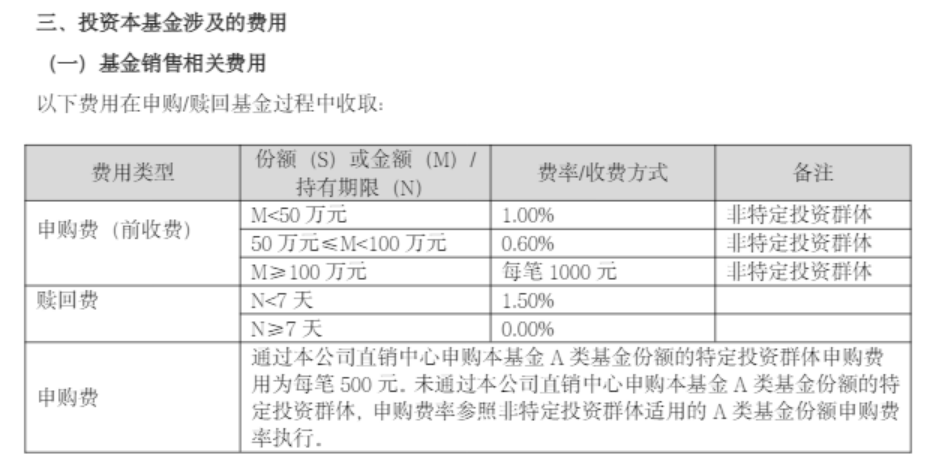
Group 1: Industry Overview - The supply rigidity of industrial metals such as copper and aluminum has become evident after the capital expenditure contraction and inventory destocking from 2022 to 2024, while three demand engines—AI computing infrastructure, global grid transformation, and new energy installations—are accelerating simultaneously [1] - The non-ferrous metal sector is currently at a dual driving node of "supply-demand mismatch" and "monetary credit reconstruction," transitioning from "cost support" to "demand pull" [1] Group 2: Fund Structure and Features - The C share class of public funds has emerged as a significant tool for asset allocation, differing from traditional A shares by offering "no subscription fee + daily calculated sales service fee," optimizing cost efficiency for specific investment scenarios [1] - C shares have a linear relationship between holding costs and holding time, contrasting with the tiered decreasing model of A shares, making them particularly suitable for investors with high liquidity requirements or short-term market cycle judgments [2] Group 3: Cost Comparison and Flexibility - For example, with a purchase amount of 100,000 yuan, the A share incurs a subscription fee of 1.0%, resulting in a cost of 1,000 yuan regardless of whether held for 3 months or 3 years, while the C share's annual sales fee of 0.4% results in a cost of only 200 yuan for a six-month holding period [2] - C shares allow for quick entry and exit without redemption fee penalties after holding for 7 or 30 days, unlike many A shares that require a holding period of 2 years to waive redemption fees, making C shares advantageous in volatile markets [4] Group 4: Performance and Strategy - The non-ferrous metal sector is known for its "king of cycles" status, characterized by significant price volatility and strong phase-based trends, aligning well with the C share's "low threshold, high liquidity, daily pricing" mechanism [5] - The ETF covering the non-ferrous metal sector is expected to benefit from a "super cycle," with a significant weight in copper (34.2%) and aluminum (14.6%), indicating a robust structure for capitalizing on industrial metal bull markets [7] - The C share of the ETF has shown a remarkable return rate of 171.24% over the past two years, outperforming major indices like the CSI 300, with a Sharpe ratio of 1.73, indicating effective risk-return management [7]
AI算力重构需求逻辑!有色PE中枢有望抬升,汇添富中证细分有色金属产业主题ETF联接C(019165)估值消化能力突出
Sou Hu Cai Jing· 2026-02-05 03:40
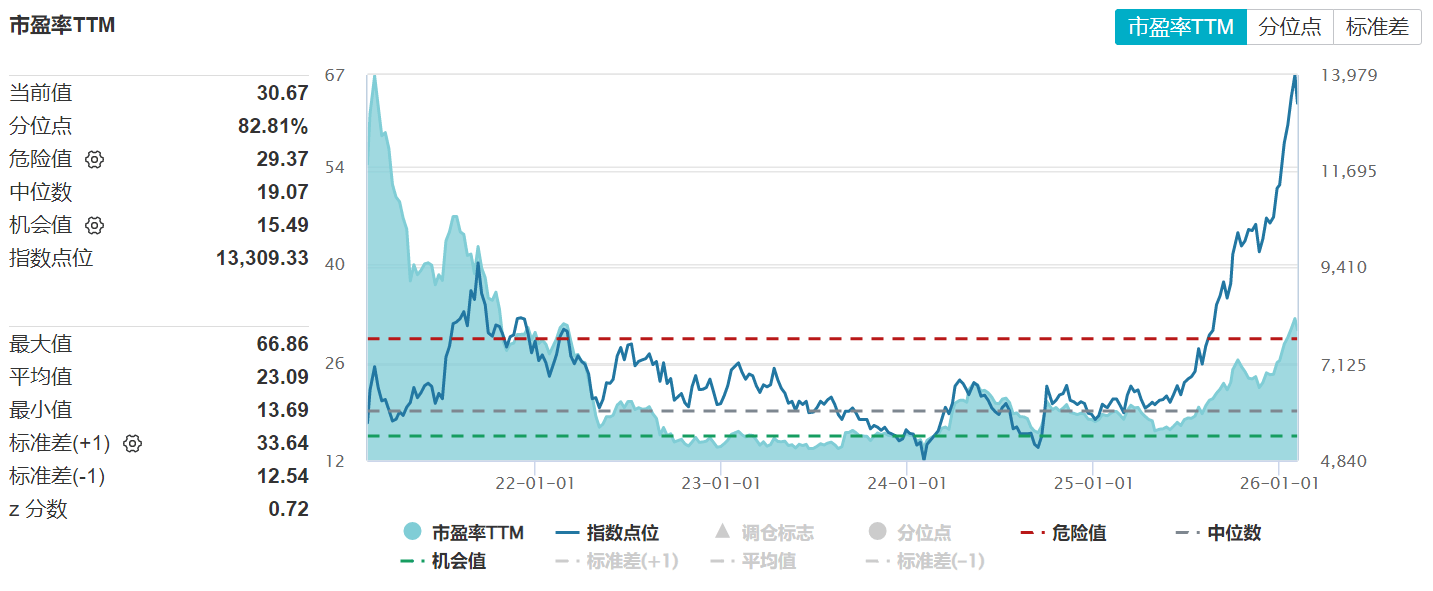
Core Insights - The fundamental landscape of the non-ferrous metals sector has undergone a significant transformation, driven by surging demand from AI computing power, grid upgrades, and the restructuring of new energy [1] - Despite the high volatility and valuation labels traditionally associated with cyclical stocks, the sector's valuation has dropped to the 70th percentile historically, with core stocks generally trading at a price-to-earnings (P/E) ratio below 20 times, a notable decline from the peak in 2021 [1] - The expected earnings per share (EPS) growth for the sector in 2026 is projected to be between 35% and 45%, indicating a robust growth outlook that supports the current valuation levels [1] Valuation Analysis - The CSI Non-Ferrous Metals Industry Theme Index has a P/E-TTM of approximately 30 times, slightly above the average of the entire A-share market at around 23 times, but significantly lower than the peak valuation of over 50-60 times in 2021, providing a substantial safety margin [1][4] - Core industrial metal stocks, particularly in the copper sector, have seen P/E ratios fall below 20 times, while leading companies in the electrolytic aluminum sector have valuations compressed to the range of 10-15 times, well below the 50 times peak in 2021 [1][4] Profit Growth Drivers - The profitability of the non-ferrous metals sector is experiencing a profound transformation, with traditional real estate demand weakening and emerging technology demand surging, indicating a shift from strong cyclicality to "technology growth" characteristics [4] - Predictions from major financial institutions like Goldman Sachs, Citigroup, and JPMorgan suggest that net profit growth for industrial metal companies, such as copper and aluminum, is expected to be in the range of 20%-30%, with some leading companies potentially exceeding 50% growth [4] Emerging Demand Trends - The construction of AI data centers is at its peak, with copper intensity in a single megawatt AI data center reaching 27-33 tons, more than three times that of traditional data centers [7] - Global investment in the power grid is projected to reach $388 billion in 2024, a 9% year-on-year increase, with further acceleration expected in 2026, providing a solid foundation for sector profitability [7] ETF and Investment Opportunities - The Huatai-PineBridge CSI Non-Ferrous Metals Industry Theme ETF (159652) covers a comprehensive range of sub-sectors including gold, copper, aluminum, lithium, and rare earths, positioning it to benefit from the "super cycle" in non-ferrous metals [7] - The ETF's structure, with a significant weight in copper (34.2%) and aluminum (14.6%), allows for strong performance during industrial metal bull markets while providing stability during cyclical adjustments [10]
热门板块进入高波区间 场外产品跟踪指数“受阻”
Zhong Guo Zheng Quan Bao· 2026-02-04 20:29
Core Insights - The A-share commercial aerospace and non-ferrous metals sectors have entered a phase of wide fluctuations, with related index funds experiencing significant tracking errors and volatility [1][3] - Fund managers have taken measures to suspend large subscriptions over 1 million yuan for certain thematic index funds due to the challenges posed by rapid market movements [4][7] Fund Performance and Flows - In January, the Southern CSI Shenwan Non-ferrous Metals ETF saw net inflows exceeding 18 billion yuan, with several other thematic ETFs attracting over 10 billion yuan each [2] - By the end of January, multiple thematic ETFs, including the Southern CSI Non-ferrous Metals ETF and the Guotai CSI Semiconductor Materials and Equipment ETF, surpassed 20 billion yuan in scale [2] Market Volatility and Management Challenges - The recent volatility in popular sectors has led to significant fluctuations in fund net values, with some satellite-themed index funds rising over 8% on January 23, only to drop over 7% by January 26 [3] - Tracking errors for certain index funds have increased, with some exceeding 1% in January, compared to less than 0.5% in the previous month [3][4] Operational Strategies - Fund managers are advised to implement refined operations and disciplined execution to manage tracking errors effectively, especially during periods of high volatility [5][6] - Strategies include phased investments, algorithmic trading, and prioritizing high liquidity core assets to mitigate impact costs [6] Recommendations for Fund Management - It is suggested to adopt a "core + satellite" sampling replication method to ensure high liquidity and weight in core assets while adjusting cash reserves dynamically based on market conditions [6] - Establishing a multi-dimensional prevention and response mechanism is crucial for managing fund flows and tracking accuracy [6]
有色四重周期共振利好逻辑延续,易方达中证细分有色产业主题指数A/C(026444/026445)备受关注
Xin Lang Cai Jing· 2026-01-30 05:10
Core Viewpoint - The current rally in the non-ferrous metals sector is driven by a resonance of four cycles, indicating a solid upward trend in the industry [1] Group 1: Financial Attributes - The Federal Reserve's interest rate cut cycle and improved global liquidity are expected to be strong drivers for non-ferrous metal prices [1] Group 2: Supply Dimension - Copper supply is projected to remain low until 2027 due to both subjective and objective conditions in exploration and capital expenditure [1] - The production capacity ceiling for electrolytic aluminum is nearing 45 million tons, with limited future increments [1] - Strict control over total quantities of strategic metals like rare earths means supply growth will not keep pace with demand [1] Group 3: Demand Dimension - Non-ferrous metals are essential materials for new productive forces, including power grid equipment (copper, aluminum, lithium, cobalt, nickel), transportation equipment (copper, aluminum, rare earths), and advanced manufacturing (rare earths and minor metals) [1] Group 4: Strategic Attributes - The intensifying trend of de-globalization and international trade conflicts may lead to strategic premiums for key resources, shifting from supply-demand adjustments to strategic stockpiling [1] Related Products - Attention is drawn to E Fund CSI Sub-Industry Non-Ferrous Metals Theme Index A/C (026444/026445), which offers a convenient way to invest in leading companies within the non-ferrous metals industry [1]
我省三大产业优化升级实施方案落地
Xin Lang Cai Jing· 2026-01-18 17:25
Group 1: Core Insights - The Anhui provincial government has approved three implementation plans focusing on the optimization and upgrading of the non-ferrous metals, building materials, and textile industries, aiming for high-quality development in manufacturing [1][2] - The non-ferrous metals industry is a key pillar for Anhui, with a target to exceed 500 billion yuan in revenue by 2027, cultivating two trillion-level industries (copper and aluminum) and two hundred billion-level industries (magnesium and lead) [1] - The building materials industry is competitive, with cement and glass as trillion-level segments, aiming for 270 billion yuan in revenue by 2027 and the establishment of 20 advanced intelligent factories and 50 provincial-level green factories [2] - The textile industry is crucial for Anhui's economy, with a goal of achieving approximately 120 billion yuan in revenue by 2027, fostering 2-3 nationally recognized consumer brands, and improving energy efficiency and recycling of textile waste [2] Group 2: Industry-Specific Goals - The non-ferrous metals sector aims for significant breakthroughs in key technologies and enhanced resource security, with a focus on creating innovative enterprises and industrial clusters [1] - The building materials sector emphasizes innovation with products like flexible foldable glass and high-generation display glass substrates, maintaining a leading market share domestically [2] - The textile industry is positioned as a vital part of the manufacturing strategy, enhancing competitiveness and creating new economic growth points through optimization and upgrading [2]
安徽三大产业实施方案落地 推动传统产业优化升级
Zhong Guo Jin Rong Xin Xi Wang· 2026-01-17 04:06
Group 1: Core Insights - The Anhui provincial government has issued three implementation plans focusing on the optimization and upgrading of the non-ferrous metals, building materials, and textile industries, aiming for high-quality development through targeted policies [1][4]. - The non-ferrous metals industry aims to achieve a revenue target of 500 billion yuan by 2027, with plans to cultivate two trillion-level industries (copper and aluminum) and two hundred billion-level industries (magnesium and lead) [2]. - The building materials industry targets a revenue of 270 billion yuan by 2027, promoting the synergy between traditional and new materials, with a focus on ultra-low emissions and the elimination of inefficient production capacities [3]. - The textile industry aims for a revenue of 120 billion yuan by 2027, positioning itself as a significant hub for innovative textile manufacturing and fashion branding, with a focus on technology, sustainability, and health [4]. Group 2: Strategic Initiatives - The non-ferrous metals plan emphasizes five key tasks, including optimizing industrial structure, promoting green transformation, and enhancing investment effectiveness, while establishing a comprehensive recycling system for copper and aluminum [2]. - The building materials plan outlines 14 measures to drive innovation and set standards, including the development of high-performance fibers and special glasses, transitioning from scale expansion to quality enhancement [3]. - The textile plan includes seven special actions focusing on innovation, structural optimization, and green quality improvement, with significant achievements in establishing innovation centers and smart factories [4]. Group 3: Policy Support and Implementation - The three plans emphasize policy coordination and integration of resources, aiming to enhance the competitiveness of the entire industrial chain in the three sectors [4]. - The Anhui provincial government will strengthen inter-departmental collaboration and ensure the effective implementation of these initiatives, contributing to the province's industrial foundation and the cultivation of new productive forces [4].
西宁开发区谋划“十五五”重大项目287项
Xin Lang Cai Jing· 2026-01-12 19:03
Core Viewpoint - Xining Economic and Technological Development Zone aims to establish five key areas: new quality productivity, technological innovation, green low-carbon demonstration, industrial transfer, and open economy, with a total investment of 277.7 billion yuan for 287 major projects [1][2]. Group 1: Development Strategy - The development strategy focuses on stabilizing silicon, expanding energy storage, deepening non-ferrous metals, coordinating computing power, and nurturing new quality [1]. - The dual-driven approach of "emerging industry cultivation + traditional industry upgrading" is emphasized to activate the industrial upgrade engine [2]. Group 2: Project Implementation - A special leadership group has been established to ensure the implementation of the five key areas, with responsibilities and annual targets clearly defined [1]. - The "one project, one special team" mechanism is introduced to address challenges in project initiation, land use, and financing [1]. Group 3: Industry Focus - The development zone will leverage Qinghai's green electricity advantages to focus on green computing power, artificial intelligence, and hydrogen energy [2]. - Key industries such as photovoltaics, lithium batteries, and non-ferrous metals will undergo special technical transformation actions to advance the value chain towards high-end [2]. Group 4: Investment and Resource Allocation - A focus on chain extension and strengthening will be implemented, with a targeted industrial chain investment map developed to attract projects from key regions like the Yangtze River Delta and the Pearl River Delta [2]. - The operational model of "management committee + company" will be promoted to streamline project initiation and approval processes, reducing project landing cycles by over 30% [2].
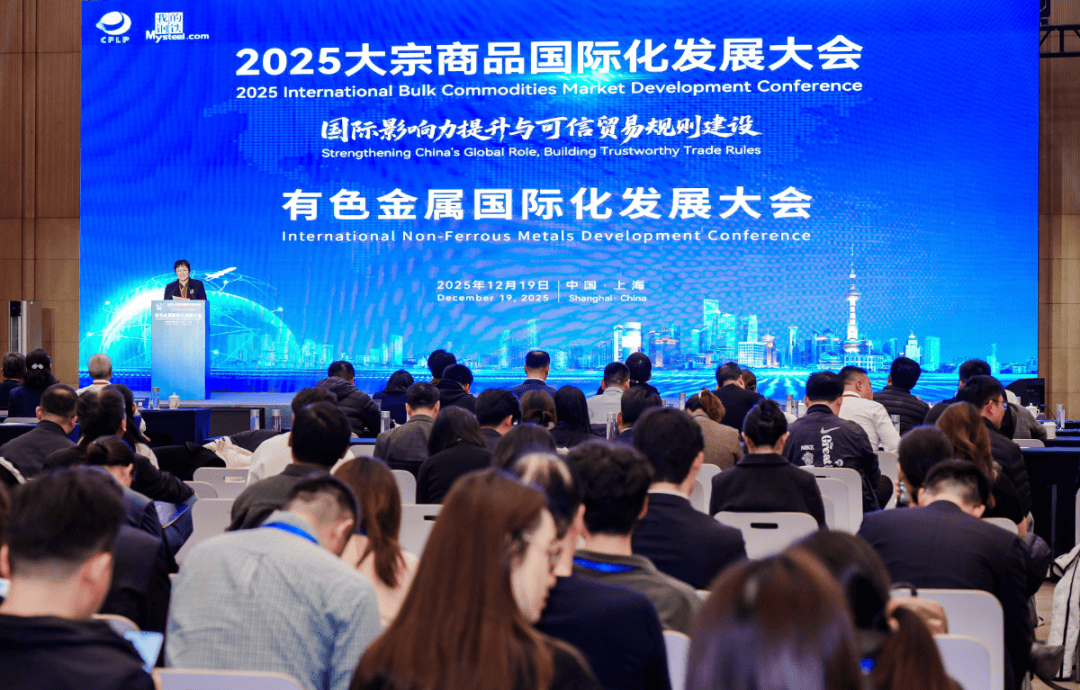
以国际化论坛搭建交流平台,共商有色金属产业国际化发展之路
Sou Hu Cai Jing· 2025-12-19 17:15
Core Viewpoint - The 2025 International Commodity Internationalization Development Conference, themed "Enhancing International Influence and Building Trustworthy Trade Rules," opened in Shanghai, with a parallel event focusing on the international development of the non-ferrous metal industry [1][4]. Industry Insights - The non-ferrous metal industry is a cornerstone of strategic emerging industries, playing a crucial role in promoting high-quality economic development. It supports high-end manufacturing, new energy, electronic information, infrastructure construction, traditional industrial upgrades, and national defense security [4]. - Key speakers at the conference included Liu Wei, Vice President and Secretary-General of the Recycled Metal Branch of the China Nonferrous Metals Industry Association, who analyzed the development path of the recycled metal industry in the context of internationalization [4]. - Zhang Qingdong, Senior Manager of the China Mineral Resources Research Institute, provided insights into the new global copper resource supply landscape and strategies for China to navigate multiple risks [4]. Opportunities and Trends - The topic of "Development and Opportunities for Shanghai's Non-Ferrous Metal Circulation Industry under Internationalization" was a hot discussion point, highlighting Shanghai's historical opportunity as a national trading center for non-ferrous metals [5]. - Financial tools, such as futures and derivatives, were discussed by Che Hongyun, Deputy Director of the Research Institute of Galaxy Futures, emphasizing their role in helping non-ferrous metal companies manage international market price volatility [5]. - The conference also addressed the new consumption patterns of non-ferrous metals driven by new energy and new materials, as analyzed by Chen Xionghui, Deputy General Manager of Zhejiang Huayou Recycling Technology Co., Ltd. [5]. Regional Development - The event took place in Putuo District, which has a deep-rooted connection to the non-ferrous metal industry, being home to the first national-level futures market, the Shanghai Metal Exchange, established in the 1990s [5]. - As of November this year, the trading volume in Putuo District has reached the total level of the previous year, with a year-on-year growth of 5%, leading in both scale and growth rate among central urban areas [7]. - The core facility, Wutrade Building, has attracted over 400 non-ferrous metal trading companies, along with logistics, futures, and banking institutions, creating a robust industrial ecosystem [7]. Future Directions - The conference aims to provide a significant platform for promoting international rule alignment and influence expansion in the non-ferrous metal sector, facilitating the internationalization, digitalization, and intelligence of commodity trade [7]. - Looking ahead, Putuo District plans to further develop high-level open platforms, enhance the linkage between spot and futures markets, and promote the internationalization of "Shanghai prices" [7].