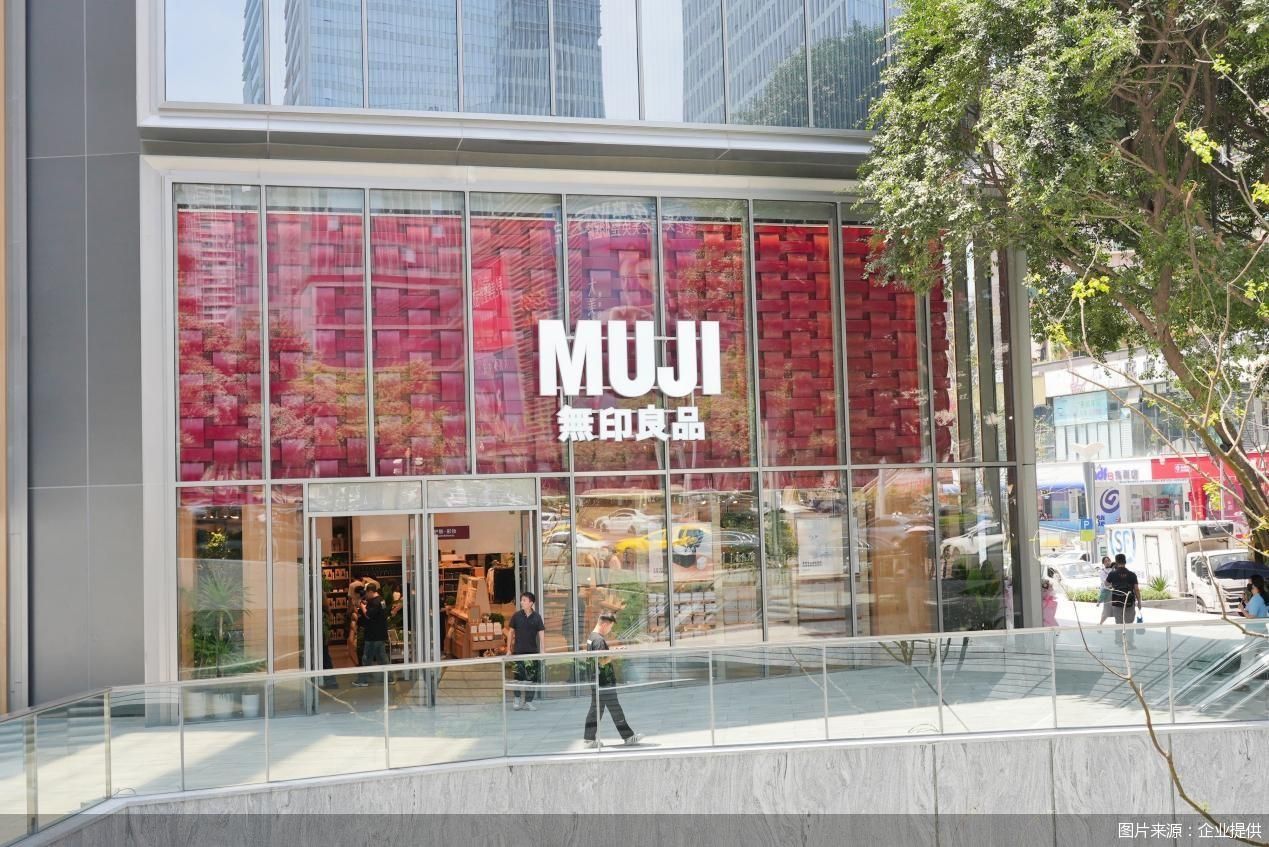
汉麻系列服饰

Search documents
如何用“一件羊绒衫”链接自然力量与美好生活?
新华网财经· 2026-01-30 03:28
Core Viewpoint - The article emphasizes the harmonious relationship between nature, consumers, and sustainable practices, particularly through MUJI's use of natural materials like cashmere and hemp, showcasing a commitment to environmental and social responsibility [2][5][20]. Group 1: Sustainable Materials and Practices - The cashmere produced by the white cashmere goats in Inner Mongolia is highlighted for its superior quality and low resource consumption, making it an ideal sustainable material for winter clothing [5][7]. - MUJI employs a systematic approach to link sustainable raw materials with aesthetically pleasing daily products, integrating environmentally friendly and animal-friendly principles throughout the production process [7][12]. - MUJI's commitment to sustainability extends beyond cashmere, incorporating local materials like hemp and recycled ocean-bound plastics into their product lines, thereby addressing environmental issues at their source [12][20]. Group 2: Social Responsibility and Community Impact - MUJI's sustainable practices also focus on social development, helping local herders increase their income while preserving the grasslands, thus achieving dual goals of environmental protection and economic stability [15][20]. - The development of products like the OBP hand-woven bags incorporates traditional craftsmanship, benefiting over 1,000 families by improving their working conditions and income [15][17]. - MUJI's initiatives in local communities, such as the mountain spring water series from Hunan's Shibadong Village, demonstrate their commitment to supporting local economies and enhancing livelihoods through investment and donations [15][19]. Group 3: Brand Philosophy and Market Strategy - MUJI's brand philosophy revolves around the idea that sustainable materials are not merely marketing tools but integral to their development strategy, promoting a lifestyle that respects nature and fosters coexistence [12][22]. - Since entering the Chinese market in 2005, MUJI has focused on practical and sustainable product design, emphasizing the importance of local materials and processes to meet consumer needs [22][23]. - The company aims to continue its long-term development in China, leveraging traditional wisdom to create a positive living experience for consumers while contributing to ecological civilization [23].

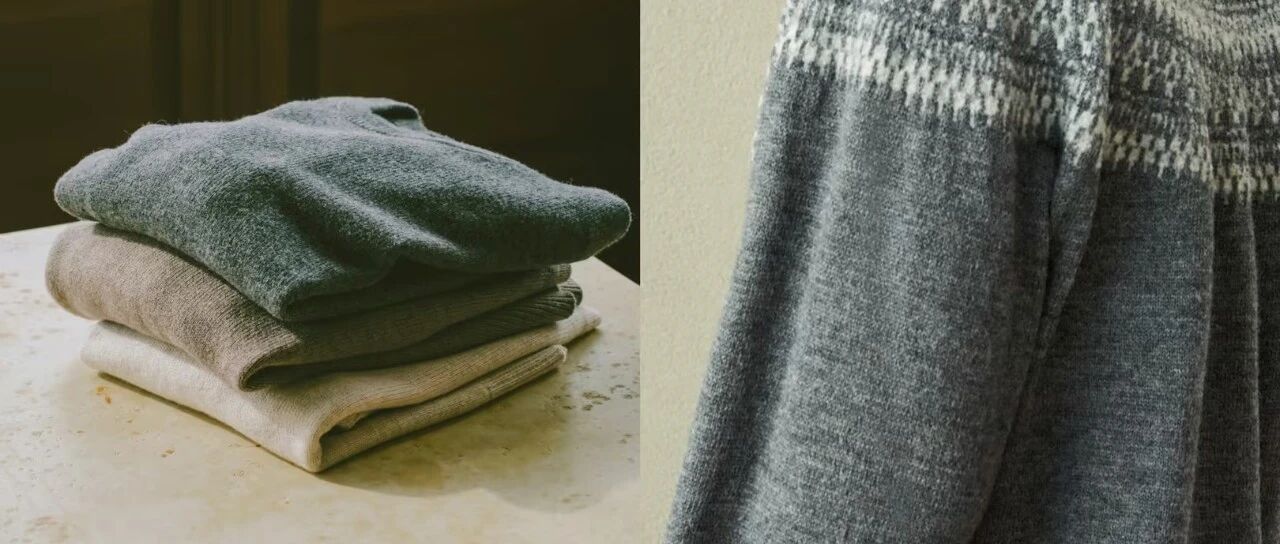
寻找消费力|专访MUJI无印良品CMO吴姝:消费力正拥抱长期主义
Bei Jing Shang Bao· 2025-05-21 11:58
Core Insights - MUJI is facing a critical examination of its "value" proposition as it navigates a market increasingly influenced by local budget brands and changing consumer behaviors [1][3] - The brand's philosophy of "no brand quality" is being challenged by a shift towards sustainable consumption and a focus on long-term satisfaction rather than mere product ownership [1][3] Consumer Behavior Changes - The Chinese consumer market is undergoing significant changes, with sustainability and mental well-being becoming key drivers of purchasing decisions [1][3] - Over 80% of consumers are willing to pay an average of 9.7% more for sustainably produced goods, indicating a shift from logo-driven purchases to valuing product lifecycle and brand values [3][4] Product Strategy - MUJI is promoting its hemp series in Spring/Summer 2024, which features a fully localized supply chain that reduces carbon footprint while meeting consumer demands for functional and eco-friendly products [3][4] - The brand offers over 8,000 SKUs, emphasizing a comprehensive lifestyle proposal rather than individual products, which fosters cross-category repurchase loyalty [4][5] Local Innovation and Market Adaptation - Since 2019, MUJI has established local product development teams to better cater to Chinese consumer preferences, launching products like the hemp clothing line [5][6] - The integration of diverse services such as cafes and home decor in stores enhances customer interaction and experience, positioning MUJI as more than just a retail outlet [5][6] Financial Performance - MUJI's parent company reported a 21.3% year-on-year increase in sales to 197.6 billion yen for Q1 of FY2025, with operating profit rising by 58.2% to 21.9 billion yen, driven by strong performance in mainland China and e-commerce [5][6] Channel Strategy - Despite rising e-commerce penetration, MUJI prioritizes offline sales for providing comprehensive product experiences that online shopping cannot replicate [6][7] - The brand is enhancing its online shopping experience and exploring instant retail partnerships to balance convenience with experiential shopping [7][8] Future Outlook - MUJI aims to connect with local cultures and communities while respecting nature, with a long-term goal of achieving 100% localization by August 2024, currently estimated at 50% [8]