波塞冬核鱼雷

Search documents
美俄核裁军条约失效,特朗普摸索中国加入新框架
日经中文网· 2026-02-05 02:35
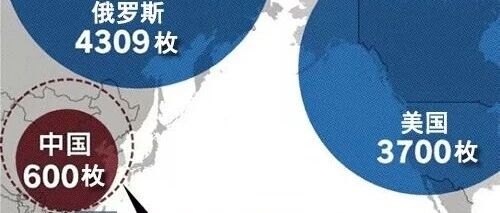
Core Viewpoint - The expiration of the New START treaty on February 5 marks the first disappearance of a nuclear arms control framework between the US and Russia since 1972, raising concerns about a potential nuclear arms race reminiscent of the Cold War era [2][4]. Summary by Sections Nuclear Arms Control Framework - The New START treaty, effective since February 2011, limited the number of deployed strategic nuclear warheads for both the US and Russia to below 1,550 and restricted the number of delivery systems to 800, allowing for mutual verification and information sharing [4]. - The treaty was extended for five years in February 2021, but cannot be extended again, necessitating a new agreement. However, Russia has ceased compliance due to dissatisfaction with Western criticism regarding its actions in Ukraine, and the US has also stopped providing information [4][5]. Strategic Nuclear Arsenal - As of January 2025, Russia is projected to have 4,309 deployable nuclear warheads, while the US has 3,700, and China has around 600, with expectations that China's arsenal could exceed 1,000 by 2030 [6]. - The lack of a framework to constrain China's nuclear capabilities is seen as a strategic imbalance, as the New START treaty does not limit Russia's tactical nuclear weapons [6]. Future Negotiations and Military Developments - Former President Trump expressed intentions to initiate nuclear disarmament talks involving China and Russia, aiming for a consensus on halving defense budgets. However, China has rejected calls to join such negotiations, citing disparities in nuclear capabilities [6]. - Both the US and Russia are increasingly enhancing their nuclear arsenals, with Trump indicating plans for nuclear weapon testing and Russia successfully testing new nuclear-capable systems [6][7]. Historical Context - The necessity for conflict avoidance and arms race containment has been underscored by historical events such as the 1962 Cuban Missile Crisis, leading to treaties like the ABM Treaty in 1972 and the START I treaty in 1994, which set limits on strategic nuclear warheads [7].

如果欧洲真的派兵且越过红线,俄罗斯会如何反击?
Sou Hu Cai Jing· 2025-09-14 14:20
Group 1 - The core issue revolves around the potential military intervention of Europe in Ukraine and the subsequent response from Russia, which could escalate tensions significantly [2][22] - Russia's "red line" is defined as foreign military intervention in Ukraine, particularly in Eastern Ukraine and Crimea, due to historical fears and national security concerns [2][3] - The response from Russia would likely involve a multi-faceted approach, including conventional military strikes, nuclear deterrence, and asymmetric warfare tactics [3][4][6] Group 2 - Conventional military retaliation would target European troops and critical infrastructure in Ukraine, utilizing missiles and drones to disrupt European military operations [3][4] - Nuclear options would include tactical nuclear weapons for preemptive strikes and strategic nuclear weapons for deterrence, with a focus on maintaining a credible threat to NATO [4][5] - Asymmetric methods could involve energy weaponization, cyberattacks, and financial sanctions to destabilize Europe and create internal chaos [6][7][8] Group 3 - Three potential catastrophic scenarios could arise if Europe crosses the red line: limited conflict with nuclear threats, accidental escalation to full-scale war, and a non-conventional war impacting Europe's economy and infrastructure [9][10][12][15] - The consequences of European military involvement could lead to significant losses for European forces, economic turmoil, and heightened nuclear risks, making it a high-stakes gamble [16][18] - Historical precedents indicate that direct confrontations between Europe and Russia have historically resulted in severe consequences, suggesting that diplomatic solutions are preferable [18][21] Group 4 - The article advocates for diplomatic negotiations to de-escalate tensions, emphasizing the importance of dialogue over military confrontation [20][21] - It suggests that both Europe and Russia should prioritize peace and stability rather than engaging in a potentially destructive conflict [22]