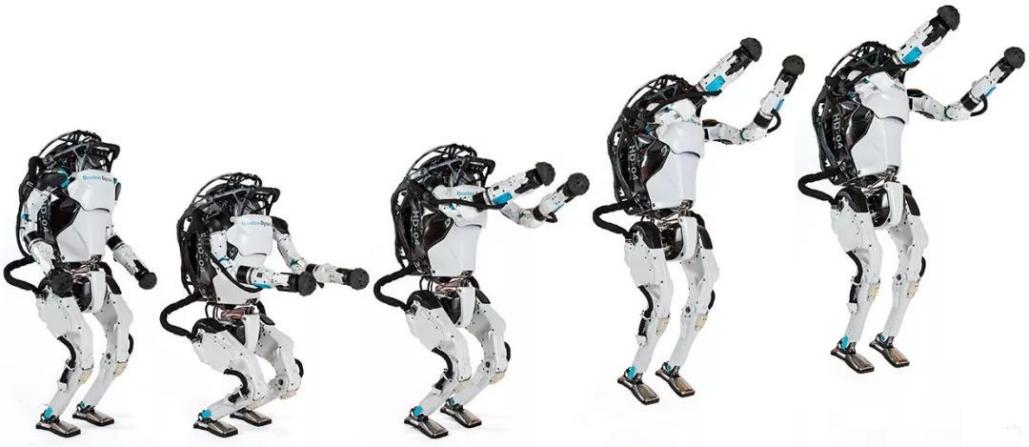
波士顿动力Atlas实验机

Search documents
具身智能,正在翻越三座大山
3 6 Ke· 2025-08-05 10:39
Core Insights - The concept of embodied intelligence has gained significant attention in 2023, similar to previous tech trends that ultimately failed to deliver on their promises [3][4][7] - Major investments in embodied intelligence have surged, with over 200 billion yuan allocated in the first half of 2025, indicating strong interest from tech giants like OpenAI, NVIDIA, Google, Huawei, and Alibaba [5] - Despite the hype, industry experts express skepticism about the commercial viability of humanoid robots, citing challenges in practical applications and long timelines for market readiness [6][19] Group 1: Industry Challenges - Technical limitations such as computational power, battery capacity, and the balance between cognitive and physical capabilities pose significant hurdles for embodied intelligence [9][14] - The high costs associated with humanoid robots, exemplified by Boston Dynamics' Atlas robot costing $2 million, create financial strain and hinder widespread adoption [15][19] - Many companies in the sector, like Zhiyuan Robotics, face severe cash flow issues, with reported losses of 870 million yuan in 2023, highlighting the financial challenges within the industry [16][19] Group 2: Market Dynamics - The market for embodied intelligence is characterized by a lack of practical applications and high costs, making it difficult for robots to compete with human labor [19][20] - The average gross margin for humanoid robot companies in China is only 18%, indicating a challenging financial landscape [19] - Companies are exploring alternative markets, such as education, to diversify revenue streams and improve financial stability [27] Group 3: Technological Advancements - The evolution of AI large models is crucial for the advancement of embodied intelligence, as they enhance the cognitive capabilities of robots [13][25] - Collaborations between companies, such as GAC Group and Huawei Cloud, are driving rapid iterations in model development, reducing the time needed for updates [26] - China's unique industrial cluster advantages facilitate the transition of embodied intelligence from concept to practical application, with a high density of patents and rapid prototyping capabilities [28][29]