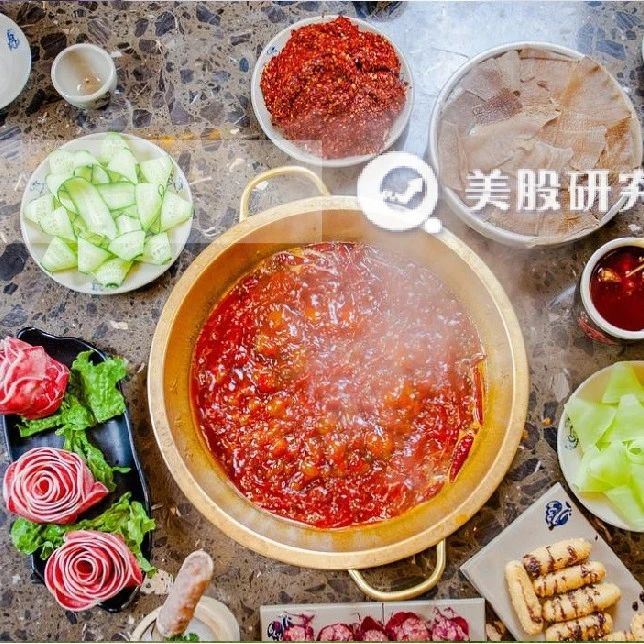
泰金锅

Search documents
一边上市一边结业,香港餐饮大换血?
Sou Hu Cai Jing· 2025-12-17 04:40
Core Viewpoint - A wave of Hong Kong restaurant companies is pursuing listings in the U.S. market, driven by a recovery in consumer sentiment and the need for capital, while traditional local establishments face closures due to increased competition and changing market dynamics [2][5][20]. Group 1: Listing Trends - Cafe Deco Group, a Hong Kong restaurant group, is considering a potential listing to raise capital as the consumer market shows signs of recovery [2]. - At least five Hong Kong restaurant companies have either gone public in the U.S. or announced plans to do so this year, including Ga Sai Tong and CSC Collective Holdings [3]. - The trend of smaller, newer Hong Kong restaurant companies seeking U.S. listings is notable, with many focusing on niche markets and specific culinary styles [13]. Group 2: Company Performance - CSC reported a revenue of $5.176 million for the latest fiscal year, a 186.84% increase from the previous year, with a gross profit margin rising from 7.4% to 33.3% [5]. - Ga Sai Tong's revenue for the first half of 2025 was $1.357 million, with a net profit of $246,700, indicating growth in its niche market of Japanese-French fusion cuisine [8]. - Happy City, which operates the Thai hotpot brand, reported revenues of $6.754 million for the 2024 fiscal year, with a 22.8% year-on-year growth [9]. Group 3: Market Dynamics - The Hong Kong restaurant market is experiencing a dual trend of new companies going public while established traditional restaurants are closing, with over 20 brands announcing closures in the first half of 2025 [20][22]. - The competitive landscape is shifting as mainland Chinese restaurants enter the market, leading to increased pressure on local establishments [22]. - The new wave of Hong Kong restaurants is characterized by their focus on specific culinary niches and innovative business models, which differ significantly from traditional operations [24][26]. Group 4: Future Outlook - Many of the newly listed companies plan to use funds raised from their IPOs for expansion in both local and international markets, with specific targets in Southeast Asia [28]. - The success of these companies in the U.S. market will depend on their ability to execute their growth plans and manage costs effectively [27][28].


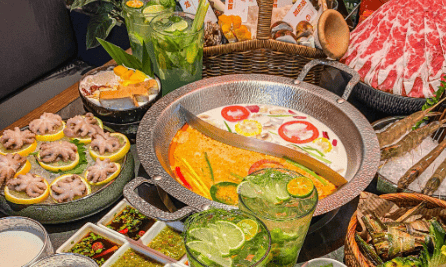
一边上市敲钟,一边老店结业,香港餐饮大换血?
3 6 Ke· 2025-12-09 12:28
Core Viewpoint - The Hong Kong restaurant industry is experiencing a dual phenomenon of a surge in companies seeking to go public in the U.S. while traditional establishments face closures due to increased competition and changing consumer behavior [1][17][19]. Group 1: Companies Going Public - Cafe Deco Group, a Hong Kong restaurant group, is considering a potential IPO as it anticipates a recovery in consumer spending [1]. - At least five Hong Kong restaurant companies have either gone public or announced plans to list in the U.S. this year, including Ga Sai Tong and CSC, which are targeting Nasdaq listings [2]. - CSC reported a revenue of $5.176 million for the latest fiscal year, a 186.84% increase from the previous year, with a gross profit margin rising from 7.4% to 33.3% [4][12]. - Ga Sai Tong's revenue for the first half of 2025 is projected at $1.357 million, with a net profit of $246,700 [7][12]. Group 2: Market Dynamics - The Hong Kong restaurant market is witnessing a trend where new, smaller companies are successfully listing in the U.S., while traditional establishments are closing down [17][19]. - Over 20 chain restaurants have announced closures in the first half of 2025, including long-standing establishments like "海皇粥店" and "金装炖奶佬" [17][19]. - The closures are attributed to high operational costs, including rent and labor, and increased competition from mainland Chinese restaurants [20]. Group 3: Characteristics of New Entrants - The new wave of Hong Kong restaurants going public is characterized by being small, recently established, and focused on niche markets [13][14]. - These companies often utilize innovative business models, such as centralized kitchens and unique dining experiences, to attract younger consumers [21][23]. - For instance, 牛大人 Group has been using a centralized kitchen model since July 2021 to improve standardization and reduce costs [21]. Group 4: Future Prospects - Many of the newly listed companies have plans for international expansion, with 牛大人 aiming to allocate 60% of its IPO proceeds for opening new locations in Hong Kong and overseas [25]. - The success of these companies in the U.S. market will depend on their ability to execute their growth strategies effectively [24][25].
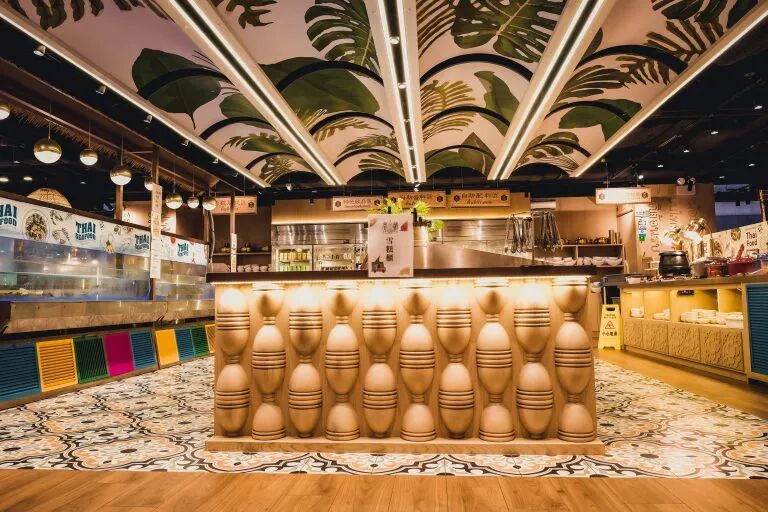
IPO解读丨3店、1.14亿市值、1个泰式故事,Happy City的火锅小店能否逆袭?
美股研究社· 2025-04-07 11:26
Core Viewpoint - Happy City Holdings Limited (HCHL) is set to go public in the U.S. after achieving a net profit of approximately $131.97 million in FY2024, despite being a small player in the Hong Kong dining market with only 2.2% market share [1][3]. Industry Overview - The Hong Kong dining industry faced a significant downturn from 2019 to 2022, with a 17.3% decline in overall market size and a staggering 42.9% drop in the hot pot sector due to pandemic-related restrictions [3]. - Following the lifting of pandemic measures in 2023, the industry began to recover, with the total dining market expected to rebound to HKD 111.7 billion in 2024, and the hot pot market projected to reach HKD 7.4 billion [3]. - The specialty hot pot segment is anticipated to grow at a compound annual growth rate (CAGR) of 6.3%, potentially reaching HKD 4 billion by 2029 [3]. Company Performance - Happy City reported revenues of approximately $675.44 million in FY2023, with a net loss of $108.58 million, but turned around in FY2024 with revenues of $829.51 million and a net profit of $131.97 million [3][4]. - The company's recovery is attributed to three main strategies: price adjustments, cost optimization, and reduced marketing expenses [4]. Strategic Initiatives - Price adjustments included raising food prices, with average spending per person reaching around HKD 260 [4]. - Cost optimization was achieved through negotiations with suppliers, leading to a stable total cost and an increase in gross margin from 11.4% in FY2023 to 27.3% in FY2024 [4]. - Marketing expenses were cut by nearly 70%, decreasing from $463,800 in FY2023 to $149,600 in FY2024 [4]. Market Positioning - Happy City differentiates itself by focusing on Thai-style hot pot, which allows it to avoid direct competition with larger brands like Haidilao [7][10]. - The company operates two brands, "Thai Gold Pot" and "Niu Niu Hall," with the former being the only Thai hot pot brand among the top ten in Hong Kong, capturing approximately 2.2% of the specialty hot pot market [8][10]. - The operational efficiency is enhanced through a self-service model and time-limited dining, significantly increasing table turnover rates [8]. Challenges Ahead - As Happy City prepares for its IPO, it faces scrutiny regarding its expansion plans amid a net current liability of $918,300, highlighting potential funding pressures [12]. - The company plans to open three new locations in Hong Kong and Singapore by 2026, with each requiring an investment of HKD 7 million (approximately $897,400) [13]. - The competitive landscape remains challenging, with major players like Cow Cow Hot Pot and Haidilao dominating the market, posing risks of market dilution and operational challenges for new locations [13][14].