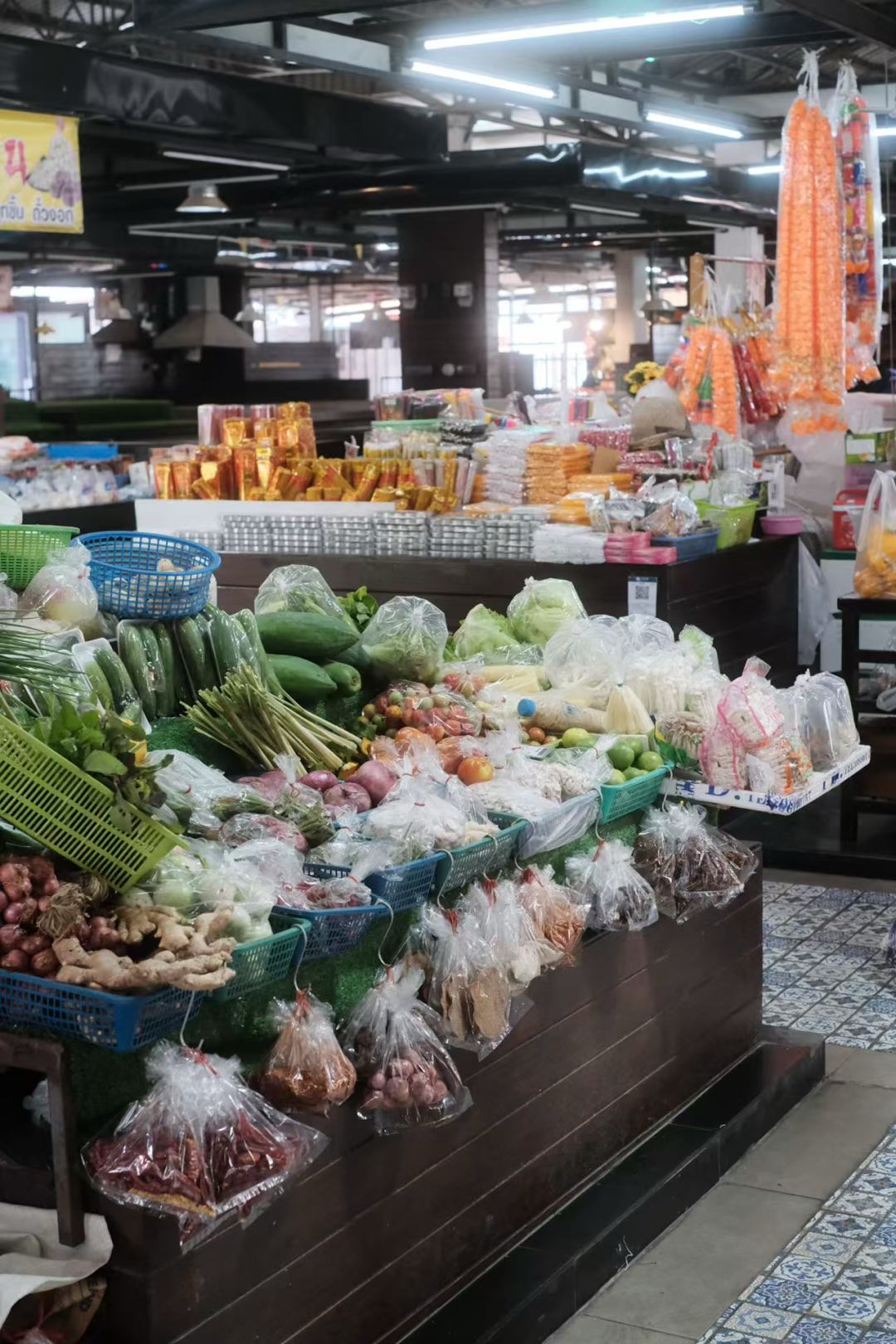
泰餐课

Search documents
网球课60块,清迈成了打工人的「中产班」
36氪· 2025-10-22 23:59
Core Viewpoint - The article discusses the emerging trend of "cross-border skill learning" among workers, particularly in Chiang Mai, Thailand, where individuals seek to invest in personal development rather than traditional vacation experiences [5][17]. Group 1: Trend of Cross-Border Skill Learning - Workers are shifting from traditional tourism to "cross-border skill learning," utilizing currency exchange advantages to acquire new skills at a lower cost [8][30]. - Chiang Mai has become a hub for this trend, offering a variety of affordable classes ranging from Thai boxing to cooking, allowing participants to gain certifications and skills [12][25]. - The focus is on experiential learning rather than formal education, with many participants viewing these classes as investments in their personal growth [17][31]. Group 2: Experience and Social Interaction - Participants often report that the experiences gained from these classes provide valuable social interactions, allowing them to connect with people from diverse backgrounds [37]. - The classes serve as a platform for cultural exchange, enhancing the overall experience beyond mere skill acquisition [37][48]. - Many individuals find that these experiences contribute to their mental well-being, providing a break from the stresses of work [39][42]. Group 3: Economic Considerations - The cost of classes in Chiang Mai is significantly lower than similar offerings in their home countries, making it an attractive option for skill development [25][34]. - The article highlights that spending on these classes is perceived as an investment rather than mere consumption, with participants expecting tangible returns in terms of skills and experiences [31][48]. - The trend reflects a broader shift in consumer behavior, where individuals prioritize meaningful experiences over traditional luxury vacations [17][39].


网球课60块,清迈成了打工人的“中产班”
Hu Xiu· 2025-10-19 11:53
Core Insights - The article discusses the evolving travel trends among workers, particularly focusing on the shift from traditional tourism to skill acquisition through international learning experiences in places like Chiang Mai, Thailand [1][39]. Group 1: Travel Trends - Workers have transitioned from high-density travel experiences, such as "5 days conquering 8 countries," to seeking more relaxed and fulfilling vacation experiences [2][3]. - The concept of "cross-border learning" has emerged, where individuals leverage currency differences to acquire skills at a lower cost, akin to a "fast-track vocational training" abroad [7][16]. Group 2: Chiang Mai as a Learning Hub - Chiang Mai is becoming a central hub for this trend, offering a variety of interest classes that cater to workers looking to invest in personal development rather than mere leisure [6][20]. - The affordability of courses in Chiang Mai allows participants to learn skills like Thai cooking or Muay Thai at a fraction of the cost compared to similar classes in their home countries [25][39]. Group 3: Experience and Social Interaction - Participants often find that these classes provide not only skill acquisition but also valuable social interactions with international peers, enhancing the overall experience [31][32]. - The focus on experiential learning, such as yoga, meditation, and traditional crafts, allows individuals to gain unique stories and skills that can be shared socially, moving beyond traditional tourism [21][28]. Group 4: Investment in Self-Development - The current trend reflects a shift in mindset where spending on learning experiences is viewed as an investment in oneself rather than mere consumption [16][26]. - Many individuals report that their experiences in Chiang Mai have led to personal growth and new career opportunities, such as opening a restaurant after learning to cook [25][32].

最松弛的泰国小城,成了多少打工人的少年宫
Hu Xiu· 2025-08-20 10:14
Core Insights - The article discusses a trend among young travelers who are replacing traditional sightseeing with experiential learning activities during their trips, particularly in Chiang Mai, Thailand [1][3][25] - This shift reflects a desire for deeper engagement with local culture and a more meaningful travel experience, moving away from mere photo opportunities and towards immersive learning [30][35] Group 1: Experiential Learning in Travel - Chiang Mai offers a variety of cultural experience courses, such as Thai cooking, Muay Thai, and traditional crafts, at affordable prices ranging from tens to hundreds of RMB [2][14] - Participants in these courses often find the learning process enjoyable and engaging, with classes designed to be accessible and fun rather than strictly educational [4][11][35] - The structure of these experiences allows travelers to feel like temporary locals, enhancing their connection to the destination [31][36] Group 2: Changing Travel Dynamics - The traditional travel itinerary of "hotel - attractions - restaurants" is evolving to include "classroom" experiences, creating a new travel dynamic [25] - Many participants are urban professionals or students seeking authentic connections with local culture, indicating a shift in travel motivations [30] - The appeal of these courses lies in their ability to provide a sense of accomplishment and joy, rather than a focus on skill mastery [35][36]