自我投资

Search documents
为什么越是没钱的人,越喜欢把钱花在没用的地方?
洞见· 2025-12-11 12:20
Core Insights - The article emphasizes that today's wealthy individuals were often yesterday's poor, highlighting the importance of financial habits and investment in self-improvement as key factors in wealth accumulation [3][18]. Spending Habits - Low-income groups tend to spend money on visible items such as luxury goods and electronics, while high-income individuals invest in less visible but valuable experiences like education and personal development [13]. - The article illustrates that poor financial decisions often lead to a cycle of poverty, where individuals prioritize immediate gratification over long-term financial stability [9][12]. Investment in Self - Successful individuals often allocate their resources towards self-improvement, such as education and skill development, which ultimately leads to greater financial success [15][20]. - The narrative includes examples of individuals who have transformed their financial situations by prioritizing investments in their knowledge and skills over luxury consumption [16][17]. Financial Philosophy - The article posits that money flows towards those who understand its value and invest it wisely, suggesting that a mindset focused on growth and self-improvement is crucial for financial success [21]. - It concludes that the way individuals choose to spend their money reflects their priorities and can significantly influence their future financial outcomes [20].


网球课60块,清迈成了打工人的「中产班」
36氪· 2025-10-22 23:59
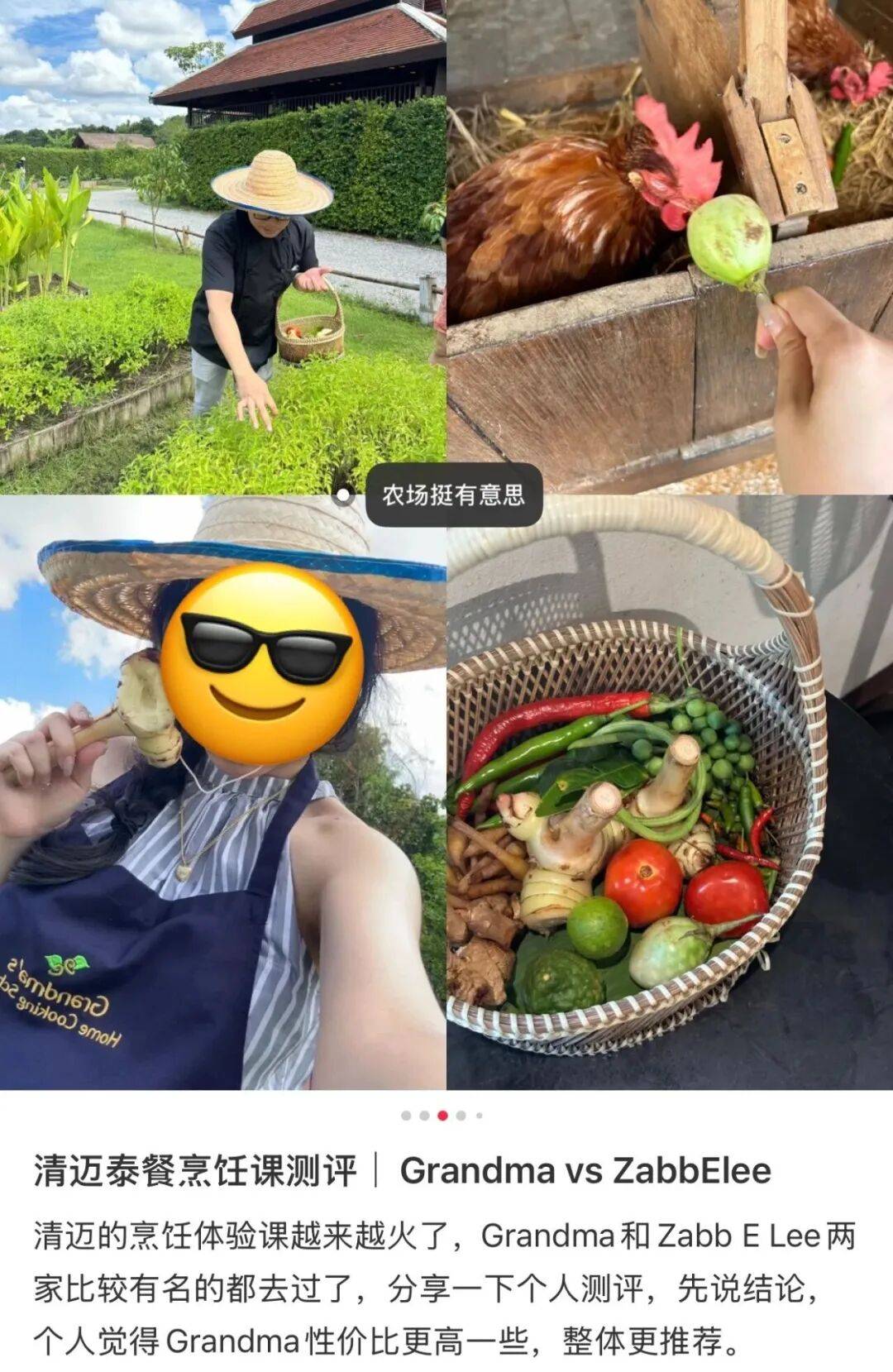
Core Viewpoint - The article discusses the emerging trend of "cross-border skill learning" among workers, particularly in Chiang Mai, Thailand, where individuals seek to invest in personal development rather than traditional vacation experiences [5][17]. Group 1: Trend of Cross-Border Skill Learning - Workers are shifting from traditional tourism to "cross-border skill learning," utilizing currency exchange advantages to acquire new skills at a lower cost [8][30]. - Chiang Mai has become a hub for this trend, offering a variety of affordable classes ranging from Thai boxing to cooking, allowing participants to gain certifications and skills [12][25]. - The focus is on experiential learning rather than formal education, with many participants viewing these classes as investments in their personal growth [17][31]. Group 2: Experience and Social Interaction - Participants often report that the experiences gained from these classes provide valuable social interactions, allowing them to connect with people from diverse backgrounds [37]. - The classes serve as a platform for cultural exchange, enhancing the overall experience beyond mere skill acquisition [37][48]. - Many individuals find that these experiences contribute to their mental well-being, providing a break from the stresses of work [39][42]. Group 3: Economic Considerations - The cost of classes in Chiang Mai is significantly lower than similar offerings in their home countries, making it an attractive option for skill development [25][34]. - The article highlights that spending on these classes is perceived as an investment rather than mere consumption, with participants expecting tangible returns in terms of skills and experiences [31][48]. - The trend reflects a broader shift in consumer behavior, where individuals prioritize meaningful experiences over traditional luxury vacations [17][39].

网球课60块,清迈成了打工人的“中产班”
Hu Xiu· 2025-10-19 11:53
Core Insights - The article discusses the evolving travel trends among workers, particularly focusing on the shift from traditional tourism to skill acquisition through international learning experiences in places like Chiang Mai, Thailand [1][39]. Group 1: Travel Trends - Workers have transitioned from high-density travel experiences, such as "5 days conquering 8 countries," to seeking more relaxed and fulfilling vacation experiences [2][3]. - The concept of "cross-border learning" has emerged, where individuals leverage currency differences to acquire skills at a lower cost, akin to a "fast-track vocational training" abroad [7][16]. Group 2: Chiang Mai as a Learning Hub - Chiang Mai is becoming a central hub for this trend, offering a variety of interest classes that cater to workers looking to invest in personal development rather than mere leisure [6][20]. - The affordability of courses in Chiang Mai allows participants to learn skills like Thai cooking or Muay Thai at a fraction of the cost compared to similar classes in their home countries [25][39]. Group 3: Experience and Social Interaction - Participants often find that these classes provide not only skill acquisition but also valuable social interactions with international peers, enhancing the overall experience [31][32]. - The focus on experiential learning, such as yoga, meditation, and traditional crafts, allows individuals to gain unique stories and skills that can be shared socially, moving beyond traditional tourism [21][28]. Group 4: Investment in Self-Development - The current trend reflects a shift in mindset where spending on learning experiences is viewed as an investment in oneself rather than mere consumption [16][26]. - Many individuals report that their experiences in Chiang Mai have led to personal growth and new career opportunities, such as opening a restaurant after learning to cook [25][32].
为什么很多拥有几百万存款的人,平时都很朴素?内行人说漏嘴,有这5大原因
Sou Hu Cai Jing· 2025-10-07 19:10
Core Insights - The article emphasizes the importance of adopting a low-profile lifestyle as a strategy for wealth accumulation, contrasting it with the ostentatious consumption habits of some individuals [1][2][3] Group 1: Wealth Accumulation Strategies - The first principle is to prioritize "value" over "face," suggesting that true wealth is reflected in savings and investments rather than in luxury goods [2] - The second principle advises against "depreciating assets" and encourages investment in "appreciating potential," such as government bonds and index funds, which can yield higher returns over time [3] - The third principle highlights the power of compound interest, illustrating how even small amounts can grow significantly when reinvested [4] Group 2: Financial Behavior and Risk Assessment - The article discusses how banks view low-profile individuals as low-risk clients, which can lead to better loan terms and financial opportunities [6] - It stresses the importance of a long-term perspective, where individuals focus on sustainable financial growth rather than immediate gratification [7] Group 3: Financial Habits for Success - The first recommended habit is to live within one's means and avoid overspending, which can hinder savings [10] - The second habit emphasizes the need to build a financial safety net before pursuing investments, ensuring that individuals are prepared for emergencies [11] - The third habit focuses on achieving positive cash flow growth rather than merely saving money, encouraging individuals to increase their income and manage expenses effectively [12] Conclusion - The article concludes that true wealth is characterized by the freedom to choose not to spend unnecessarily, highlighting the importance of thoughtful spending and investment decisions [13]
The Best $1,000 Millennials Can Spend on Their Investment Portfolio This Year
Yahoo Finance· 2025-09-21 09:56
Core Insights - Investing $1,000 wisely can significantly enhance wealth-building, focusing on high ROI opportunities in both financial returns and future growth [1] Group 1: Debt Management - Paying off high-interest debt, such as credit card balances or personal loans, is a crucial step before investing, as it can yield returns equivalent to the interest rates saved [3] Group 2: Emergency Fund - Establishing an emergency fund is essential, with recommendations to save three to six months' worth of living expenses, ideally in a high-yield savings account for growth while maintaining accessibility [4] Group 3: Retirement Accounts - Maximizing contributions to tax-advantaged retirement accounts like 401(k) plans or IRAs is vital for millennials, leveraging compound growth over time [5][6] Group 4: Investment Vehicles - Investing in low-cost index funds or ETFs is advisable for indirect stock market exposure, as these funds diversify investments across numerous companies, mitigating risk while capitalizing on market growth [7] Group 5: Personal Development - Investing in personal skills or certifications can yield high returns, potentially increasing income and future investment capacity, making it a valuable use of funds [8]
练就一身赚钱本事的10大习惯!建议收藏!
天天基金网· 2025-07-12 03:05
Core Insights - The article emphasizes the importance of consistent small habits in building wealth over time, rather than seeking instant riches [10][11] Group 1: Practical Skills and Actions - Focus on learning practical skills related to financial goals daily, such as online courses or industry articles [1] - Take immediate action on money-making ideas with minimal cost instead of waiting for perfect conditions [2] - Record daily income and expenses to understand cash flow, which is essential for financial management [3] Group 2: Networking and Goal Setting - Actively engage with individuals in the target field, including peers and potential clients, to uncover opportunities [4] - Break down large financial goals into smaller, measurable targets to make them less daunting and easier to achieve [5] Group 3: Review and Health - Conduct weekly reviews to assess earnings, effective actions, and necessary adjustments for the following week [7] - Maintain basic health habits, such as adequate sleep and hydration, to ensure high energy levels for work and learning [8]