
海关智慧监管平台

Search documents
视频丨海南自贸港“全岛封关”如何运作?一文了解
Yang Shi Xin Wen Ke Hu Duan· 2025-12-09 06:13
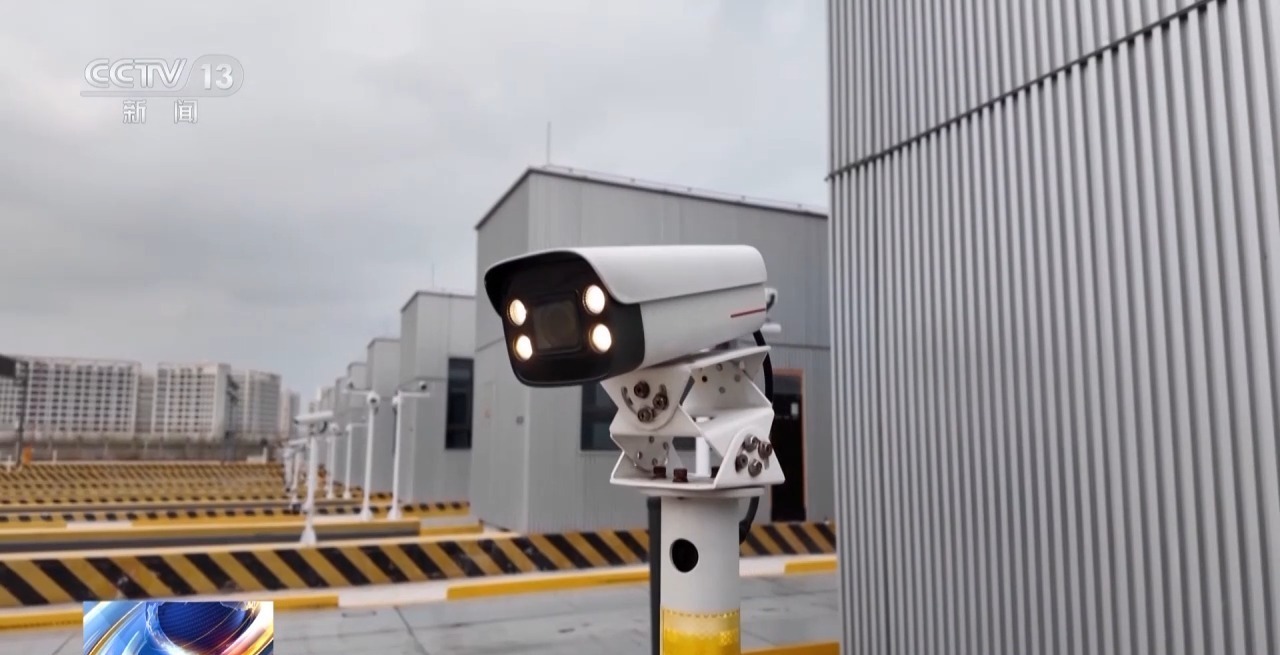
Core Viewpoint - Hainan Free Trade Port is set to implement full island customs closure on the 18th of this month, with preparations nearing completion [1] Group 1: Customs Closure Implementation - The customs closure will establish Hainan Island as a special customs supervision area, characterized by a "first line" of openness and a "second line" of control, facilitating a liberalized and convenient policy system [1][3] - The "first line" refers to the open measures between Hainan Free Trade Port and other countries and regions outside China's customs territory, while the "second line" involves precise management of goods between Hainan and the mainland [3] Group 2: Smart Inspection and Regulation - New Port and South Port are two of the ten "second line" ports in Hainan, where goods will undergo centralized inspection before leaving the island [6] - To expedite the customs process, vehicles must make advance reservations, and drivers can use a mobile app for this purpose [6] - The intelligent reservation system at the inspection site will automatically identify vehicles and guide them to the appropriate channels based on their reservation status [9] Group 3: Inspection Process - Goods requiring customs supervision will pass through designated customs channels, where they will either be released directly or sent for further inspection if issues arise [9][11] - The customs inspection process utilizes a smart regulatory platform for real-time analysis and assessment of scanned images, allowing for efficient identification of anomalies [11] Group 4: Infrastructure Development - The construction of the inspection site involved significant challenges, including the removal of 200,000 cubic meters of water, equivalent to 800 standard swimming pools [15] - The use of composite pile foundations has increased the load-bearing capacity by approximately 30%, with over 5,000 high-strength pre-stressed piles installed [17] - The design of the inspection site allows for efficient vehicle flow and provides ample space for emergency situations, enhancing the overall logistics framework [19][21]

冲刺全岛封关!海关创新监管让海南“进出”更自由
2 1 Shi Ji Jing Ji Bao Dao· 2025-12-08 05:53
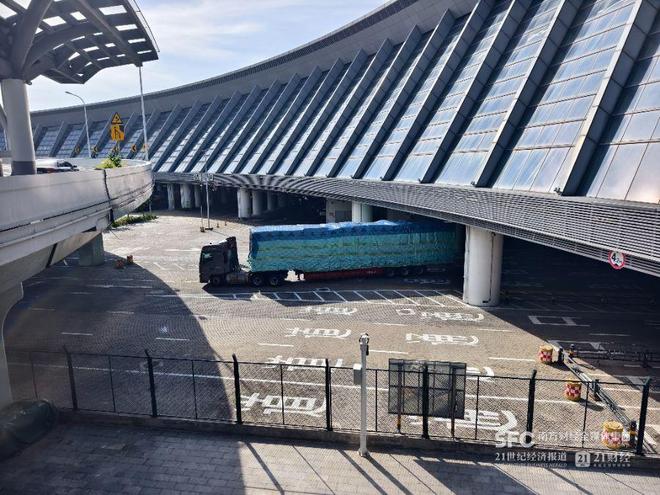
Core Viewpoint - Hainan Free Trade Port will enter a new phase of full island closure operation on December 18, implementing a customs supervision special zone with a policy characterized by "one line open, one line controlled, and free movement within the island" [1][2] Group 1: Customs Supervision and Policy Implementation - The customs supervision system will differentiate between regulated and non-regulated goods, allowing most goods to exit through non-customs channels while only specific categories require customs supervision [2] - A series of customs regulatory systems have been established to support high-level open policies, ensuring smooth customs clearance and efficient supervision [2][4] - The customs regulatory framework has been preliminarily established to adapt to the needs of the Hainan Free Trade Port [4][16] Group 2: Infrastructure and Technological Support - Key projects for customs operations, including the Hainan International Travel Health Care Center, have been put into use, and ten "second-line ports" have passed national acceptance [4] - The customs smart supervision platform has been launched, integrating with existing systems to facilitate a streamlined process for goods [4][15] - A credit management system has been established for over 80,000 foreign trade entities in the province, enhancing customs efficiency through reduced inspection rates for AEO enterprises [5][12] Group 3: Operational Readiness and Testing - Multi-departmental tests and simulations are being conducted to ensure operational readiness for the full closure, focusing on optimizing processes and identifying issues [12][13] - The customs has implemented a "pre-declaration + smart diversion + non-intrusive inspection" model to expedite the clearance process for low-risk goods [12] - Pressure tests are being conducted to improve customs efficiency and ensure smooth port operations, with real-time monitoring of the entire process [11][12] Group 4: Innovations and Future Developments - Innovative measures such as a "one-stop customs service" and enhanced smart regulatory technology are being introduced to improve efficiency and convenience for personnel and goods [14] - The "front push and back move" policy aims to streamline agricultural product inspections, reducing congestion at ports [14] - The customs will continue to optimize the zero-tariff and processing value-added tax exemption policies to support enterprise development and industrial transformation [13][16]
封关在即,准备就绪!
Sou Hu Cai Jing· 2025-11-29 14:02
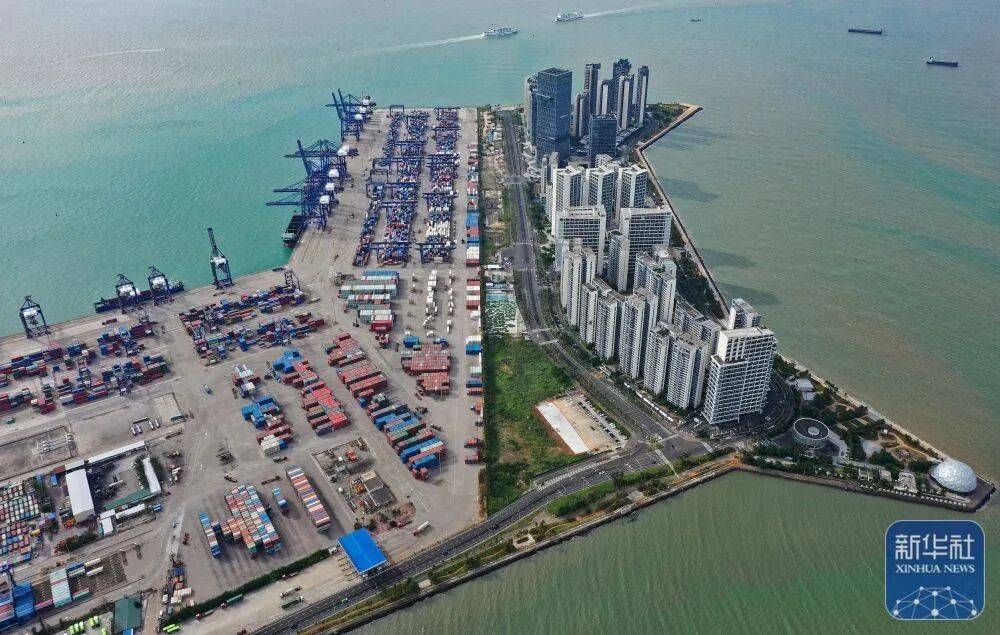
Core Viewpoint - Hainan Free Trade Port is set to officially launch its full island closure operation on December 18, with all necessary hardware and software conditions prepared for this transition [2]. Group 1: Infrastructure Readiness - Ten "second-line ports" have passed national acceptance, indicating readiness for the upcoming operational changes [2]. - The customs smart supervision platform has been launched and is operational, enhancing regulatory capabilities [2][5]. - Four customs closure support projects, including the Hainan International Travel Health Care Center, have been fully put into use [2]. Group 2: Operational Activities - Foreign entrants are undergoing health checks at the Hainan International Travel Health Care Center as part of the new operational protocols [4][8]. - Customs staff are actively engaged in laboratory work at the Haikou Customs Technical Center, indicating ongoing preparations for the full operational launch [5][7].
海口海关:打造与中国特色自由贸易港相适应的海关智慧监管模式
Zhong Guo Xin Wen Wang· 2025-07-31 02:26
Core Viewpoint - The Hainan Free Trade Port is enhancing customs supervision by extending its regulatory scope and implementing innovative management models to facilitate efficient customs clearance and trade operations [1]. Group 1: Smart Supervision - The customs authority is implementing a smart supervision model by establishing a customs smart supervision platform that utilizes big data, with 2.97 billion data entries in its data pool and 147 risk characteristic databases [1] - The customs has developed 93 data models and various smart supervision scenarios, including "zero tariff," processing value-added, and duty-free shopping, employing technologies like intelligent positioning and facial recognition for automated supervision and intelligent early warning [1] - Intelligent inspection equipment has been deployed at all 10 "second-line ports" to enhance regulatory efficiency, prioritizing non-intrusive inspections for monitored goods [1] Group 2: Credit Supervision - A credit clearance system has been established for "second-line ports," categorizing over 70,000 foreign trade entities in Hainan, with AEO enterprises benefiting from the lowest inspection rates and fewer audits [2] - "White list" enterprises also enjoy reduced inspection rates and can utilize batch export and centralized declaration measures, while those on the focus list face increased inspection frequencies [2] - A credit supervision platform has been developed, integrating 3.21 million credit data entries from over 20 agencies, completing six credit clearance scenarios for "second-line ports" [2] Group 3: Adaptive Supervision - Customs supervision is being integrated into existing export processes, enabling "one declaration, one inspection, one release" [3] - Utilizing a big data pool, the customs authority employs intelligent risk control models for risk assessment and issues pre-determined control instructions based on these assessments [3] - Collaboration with security inspection departments has been enhanced to improve regulatory efficiency through immediate control instructions based on machine inspection images [3] Group 4: Collaborative Management - Customs is strengthening cooperation with industry regulatory bodies to establish a comprehensive lifecycle management system for "zero tariff" and value-added enterprises, covering qualification registration, operational management, and joint penalties [3] - A mechanism for joint prevention and control of smuggling has been developed, ensuring effective coordination between customs and non-customs regulatory channels to maintain high efficiency in customs operations [3]