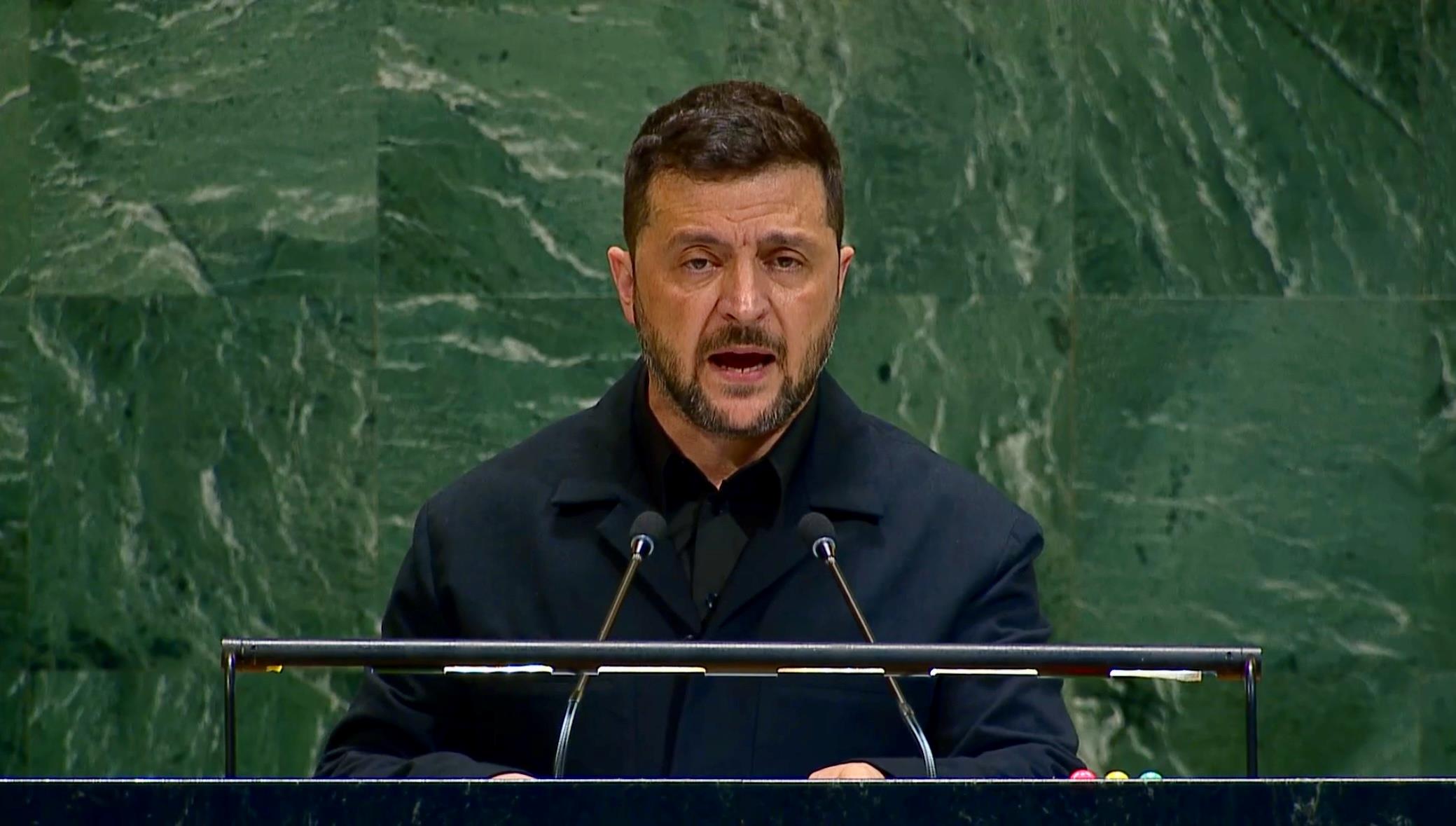
海军无人机

Search documents
人机编队将赢得未来战争
Xin Lang Cai Jing· 2025-12-08 04:22
Core Insights - The future of naval warfare will not be determined by the largest fleets but by the integration of human intelligence with advanced machines, emphasizing collaboration over replacement [1][17] - The evolution of naval technology has historically transitioned from fear of replacement to partnership, as seen with steam power, ironclads, submarines, and aircraft carriers [3][20] - Current advancements in unmanned systems and artificial intelligence are reshaping naval operations, with examples like the "ghost fleet" demonstrating the effectiveness of autonomous vessels [6][22] Historical Context - Historical advancements in naval technology have often been met with skepticism, but ultimately led to enhanced collaboration between humans and machines [3][20] - The transition from sail to steam power, wooden ships to ironclads, and the introduction of submarines and aircraft carriers illustrates a pattern of adaptation and integration [3][20] - Technologies like radar and sonar, once viewed with distrust, became essential tools for naval operations, highlighting the importance of human-machine collaboration [4][21] Current Landscape - The emergence of unmanned surface vessels and underwater drones is indicative of the future naval force structure, with these systems already conducting reconnaissance and offensive operations [6][22] - The "ghost fleet" concept showcases the potential of autonomous vessels to operate effectively with minimal human oversight, changing the dynamics of naval warfare [6][22] - Recent conflicts, such as those in the Black Sea, demonstrate the tactical advantages of integrating drones and traditional weaponry, forcing larger fleets to reconsider their operational strategies [7][24] Future Considerations - Future naval strategies must prioritize human-machine teaming, where machines handle data processing and surveillance while humans make critical decisions [8][26] - The need for clear delegation of authority and accountability in the use of autonomous systems is essential to maintain operational integrity and legality [10][27] - Emphasis on cybersecurity is crucial, as compromised AI systems can pose significant risks to decision-making processes [12][29] Strategic Choices - Naval leaders face critical choices regarding the integration of autonomous systems, with options ranging from resistance to transformation, reckless automation, or careful team design [18][34] - The successful integration of human and machine capabilities will define the effectiveness and legitimacy of future naval forces [31][34] - Historical lessons from past naval conflicts underscore the importance of trust in technology while retaining human oversight in decision-making [15][32]

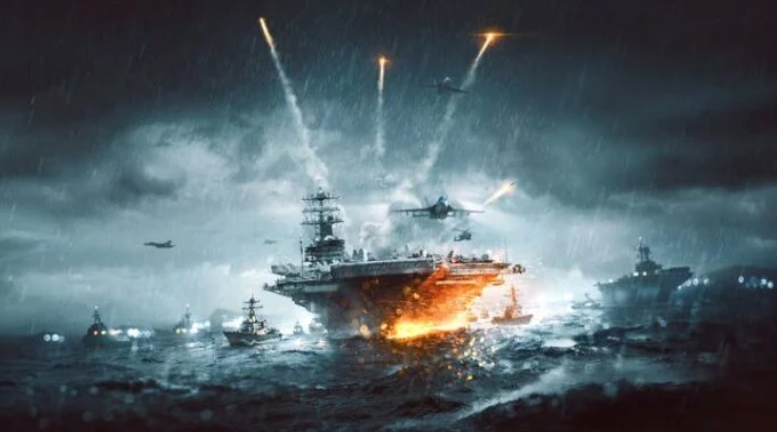
视频丨乌克兰将在德国和丹麦设立武器出口办事处
Yang Shi Xin Wen Ke Hu Duan· 2025-11-04 23:41
Core Points - Ukraine plans to establish weapon export and joint production offices in Berlin and Copenhagen to raise funds for domestic weapon shortages [1][3] - The Ukrainian delegation will negotiate a drone cooperation agreement in Washington next week [5] Group 1: Weapon Export and Production - Ukraine aims to sell available weapons, including naval drones and artillery systems, while still relying on Western allies for fighter jets and air defense systems [5] - The establishment of offices in Germany and Denmark is part of a strategy to enhance Ukraine's defense capabilities and secure funding for weapon production [1][3] Group 2: Strategic Partnerships - The move to export weapons is seen as a way to strengthen Ukraine's ties with NATO and the European Union, potentially leading to a "drone wall" in Europe [7] - Economic factors play a role, as exporting drone equipment and anti-drone facilities could inject new economic momentum into Ukraine's defense industry [9] - Since September, Ukraine has been actively discussing weapon exports, with plans to sell surplus weapons to Europe, the U.S., the Middle East, and Africa [11]
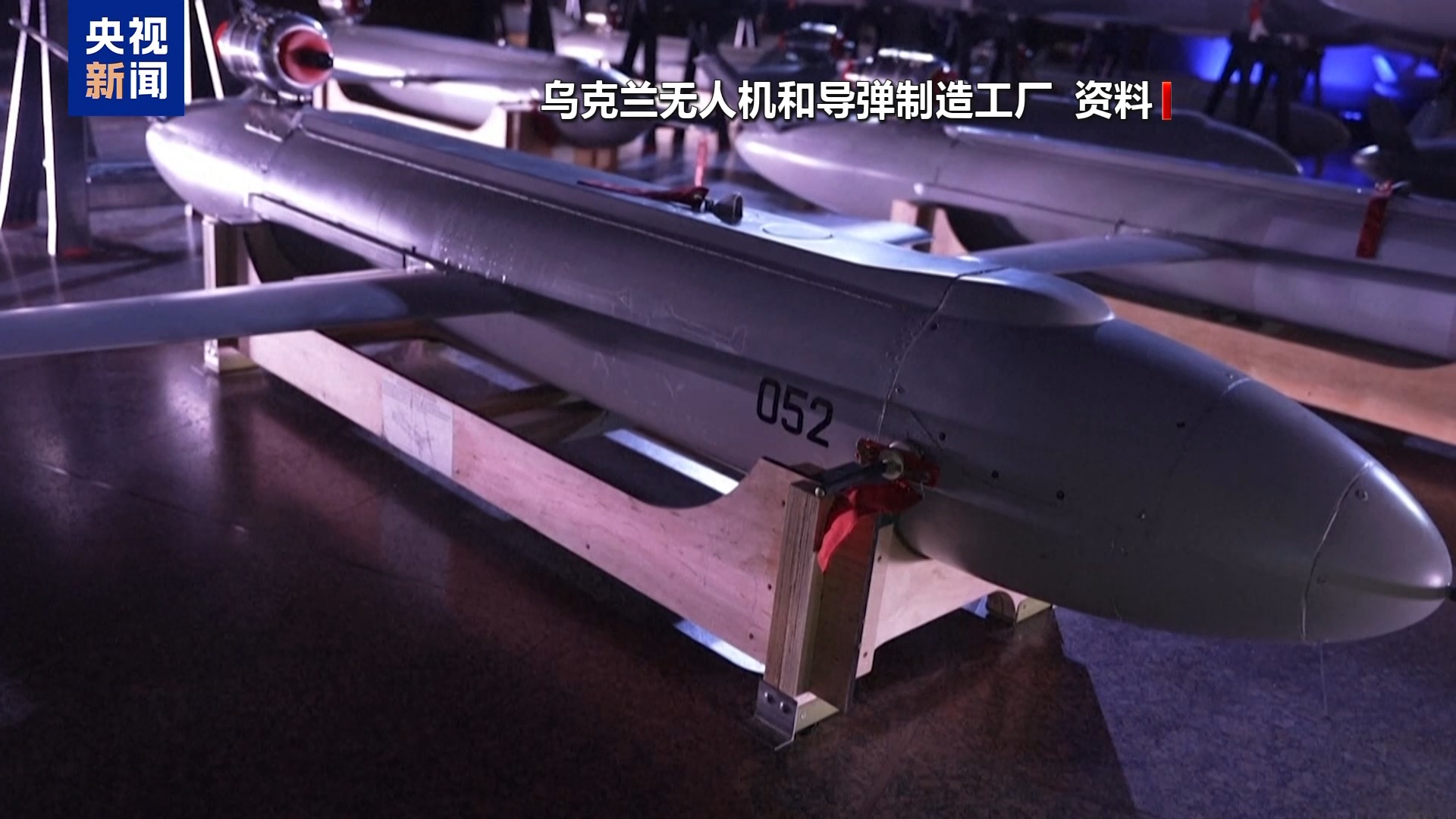
“筹集更多资金生产国内短缺武器”,泽连斯基称乌将在柏林和哥本哈根设立武器出口办事处
Huan Qiu Wang· 2025-11-04 02:06
Group 1 - Ukraine plans to establish arms export and joint production offices in Berlin and Copenhagen to enhance its weapon sales and production capabilities [1] - The focus of Ukraine's export will be on naval drones and artillery systems, which are seen as viable options to generate funds for domestic production of weapons [1] - Ukraine is currently reliant on allies for aircraft and air defense systems but has made progress in drone and missile projects [3] Group 2 - A Ukrainian delegation is set to visit Washington next week to discuss further cooperation on drone agreements, aiming to strengthen ties with the Trump administration [3] - Ukraine intends to sell surplus weapons to Europe, the United States, and Middle Eastern countries, with preliminary agreements reached for arms sales to several African nations during the UN General Assembly [3]
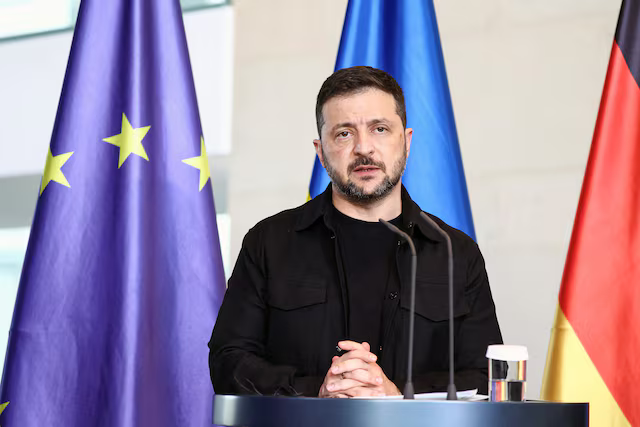
泽连斯基动作不断 特朗普突然转向 意欲何为?
Yang Shi Xin Wen· 2025-09-24 23:21
Group 1 - Ukraine's President Zelensky announced the decision to open arms exports during the UN General Assembly, aiming to showcase modern and reliable weapon systems that have been tested in real combat [2][4] - The arms export initiative is part of a strategy to alleviate Ukraine's budget deficit and generate funds for the production of urgently needed weapons [5][12] - Zelensky indicated plans to export surplus naval drones, which exceed domestic needs, to other countries [5][4] Group 2 - The U.S. President Trump has shifted his stance on the Ukraine-Russia conflict, suggesting that Ukraine could regain its territory with EU and NATO support, which may indicate a desire to sell more weapons to Europe [6][8] - Trump's comments about Russia being a "paper tiger" and the ongoing military support for NATO allies suggest a potential increase in arms sales and military cooperation [8][11] - The ongoing military cooperation between Ukraine and NATO members, including arms exports and troop deployments, is expected to escalate tensions with Russia [18][17]