
防空系统

Search documents
中东“黑天鹅”突袭!对A股哪些板块有影响?投资者如何应对?
天天基金网· 2026-03-02 10:07
Core Viewpoint - The recent escalation of conflict in the Middle East is seen as a potential "super black swan" event that could disrupt global financial markets, with sectors such as oil and gas, gold, military, shipping, nuclear pollution prevention, and coal expected to benefit from the situation [1][6]. Beneficial Sectors - Oil and Gas Exploration: The conflict has directly driven up oil prices, enhancing profits for upstream companies. High oil prices are expected to stimulate increased capital expenditure in oil and gas firms, benefiting oil service equipment [2][6]. - Gold: The military conflict is likely to heighten market risk aversion, which in turn is expected to push up gold prices [2][7]. - Defense and Military: The escalation of geopolitical tensions is anticipated to increase demand for military supplies, including missiles, drones, and air defense systems [2][8]. - Shipping: The conflict may impact oil transportation routes, such as the Strait of Hormuz, leading to increased shipping rates [2][9]. - Nuclear Pollution Prevention: The conflict's focus on nuclear issues is expected to drive demand for nuclear pollution monitoring and protective equipment [3][9]. - Coal: In the context of rising international oil prices and supply constraints, coal's value as an energy substitute is expected to increase significantly [3][10]. Institutional Insights - The impact of the Middle East conflict on equity assets is primarily seen in terms of risk preference and structural changes, with limited substantive effects on the fundamentals of the A-share market. As geopolitical shocks subside and domestic policy discussions intensify, risk preferences are expected to recover [4][11]. - In a scenario of a quick resolution, risk preferences may initially decline but then recover, with assets like gold, shipping, and military experiencing volatility. Conversely, if the conflict drags on, risk preferences may remain low, leading to sustained volatility in these assets [4][11]. - The military actions taken by the U.S. and Israel against Iran will significantly influence global markets and asset prices, depending on the objectives and duration of these actions [4][11]. Investor Recommendations - Investors are advised to maintain a rational approach and focus on structural opportunities, prioritizing sectors that directly benefit from the conflict, such as oil and gas, gold, and military [12]. - It is recommended to avoid sectors under pressure, such as aviation and oil refining, which may suffer from reduced profit margins due to rising oil prices [12]. - Long-term strategies should focus on domestic economic recovery and industry upgrades, using short-term volatility to invest in high-certainty core assets while balancing risk and return [12].






中东“黑天鹅”突袭!对A股哪些板块有影响?投资者如何应对?
天天基金网· 2026-03-02 08:31
Core Viewpoint - The recent escalation of conflict in the Middle East is seen as a potential "super black swan" event that could disrupt global financial markets, with sectors such as oil and gas, gold, military, shipping, nuclear pollution prevention, and coal expected to benefit from the situation [1][6]. Beneficial Sectors - **Oil and Gas Exploration**: The conflict has directly driven up oil prices, enhancing profits for upstream companies. High oil prices are expected to stimulate increased capital expenditure in oil and gas enterprises, benefiting oil service equipment [2][6]. - **Gold**: The military conflict is likely to heighten market risk aversion, which in turn is expected to push up gold prices [2][7]. - **Military and Defense**: The escalation of geopolitical tensions is anticipated to increase demand for military supplies, including missiles, drones, and air defense systems [2][8]. - **Shipping**: The conflict may impact oil transportation routes, such as the Strait of Hormuz, leading to increased shipping rates [2][9]. - **Nuclear Pollution Prevention**: The conflict's focus on nuclear issues is expected to drive demand for nuclear pollution monitoring and protective equipment [3][9]. - **Coal**: In the context of rising international oil prices and supply constraints, coal's value as an energy alternative is expected to increase significantly [3][10]. Institutional Interpretations - The impact of the Middle East conflict on equity assets is primarily seen in terms of risk preference and structural changes, with limited substantive effects on the fundamentals of the A-share market. As geopolitical shocks subside and domestic policy discussions intensify, risk preferences are expected to recover [4][11]. - In the event of a swift resolution to the conflict, risk preferences may initially decline but are likely to recover, with assets like gold, shipping, and military experiencing volatility. Conversely, if the conflict drags on, risk preferences may remain low, leading to sustained volatility in these assets [4][11]. - The military actions taken by the U.S. and Israel against Iran will significantly influence global markets and asset prices, with the A-share market's response largely dependent on risk preferences rather than fundamental changes [4][11]. Investor Guidance - Investors are advised to maintain a rational approach and focus on structural opportunities, prioritizing sectors that directly benefit from the conflict, such as oil and gas, gold, and military. It is recommended to avoid sectors under pressure, like aviation and oil refining, due to the impact of rising oil prices on profit margins [12].
美军,突然大量部署战机
Xin Lang Cai Jing· 2026-02-22 14:48
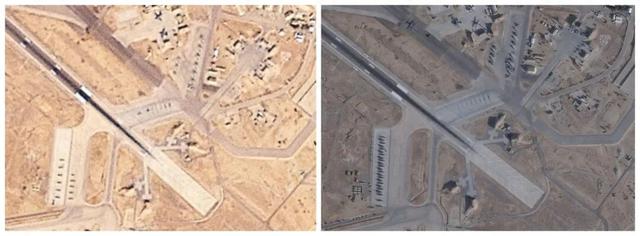
Group 1 - The core viewpoint of the articles is that the United States has significantly increased its military presence at the Muwaffaq Salti Air Base in Jordan, deploying over 60 aircraft, which is approximately three times the usual number [1][3] - The deployment of U.S. military aircraft is in accordance with a defense agreement signed with Jordan, indicating a strategic partnership aimed at regional stability [1] - Advanced aircraft, including F-35 stealth fighters, have been introduced to the base, along with new air defense systems, enhancing the military capabilities in the region [3] Group 2 - Satellite images show a notable increase in aircraft at the Muwaffaq Salti Air Base compared to previous months, with at least 68 transport aircraft landing in the past week [3] - The Muwaffaq Salti Air Base is located approximately 100 kilometers northeast of Amman, making it a key U.S. military base in the Middle East [3]
美国在约旦军事基地部署大量战机,卫星图像显示超60架
Xin Lang Cai Jing· 2026-02-22 12:47
Group 1 - The core viewpoint of the article highlights the significant increase in the deployment of U.S. military aircraft at the Muwaffaq Salti Air Base in Jordan, which is three times the usual number of fighter jets stationed there [1] - The deployment of these aircraft is in accordance with a defense agreement signed with the U.S., indicating a strategic military collaboration between the U.S. and Jordan [1] - Satellite imagery reveals the presence of over 60 aircraft at the base, including advanced models such as the F-35 stealth fighter, along with the installation of new air defense systems [1] Group 2 - In the past week, at least 68 transport aircraft have landed at the Muwaffaq Salti Air Base, indicating a surge in military logistics and support operations [1] - The Muwaffaq Salti Air Base is located approximately 100 kilometers northeast of Amman, making it a key U.S. military base in the Middle East [1]
美国在约旦军事基地部署大量战机:包括F—35隐形战机,还安装了新防空系统
Xin Lang Cai Jing· 2026-02-22 11:46
Group 1 - The core point of the article is the significant increase in the deployment of U.S. military aircraft at the Muwaffaq Salti Air Base in Jordan, which is part of a defense agreement with the U.S. [2] - The number of aircraft deployed has reportedly tripled, with over 60 aircraft now stationed at the base, including advanced models like the F-35 stealth fighter [2] - New air defense systems have been installed at the base, indicating an enhancement of military capabilities in the region [2] Group 2 - The Muwaffaq Salti Air Base is located approximately 100 kilometers northeast of Amman, Jordan, and serves as a key U.S. military base in the Middle East [3]
突发!美军F-35战机,集体出动!
Xin Lang Cai Jing· 2026-02-17 10:30
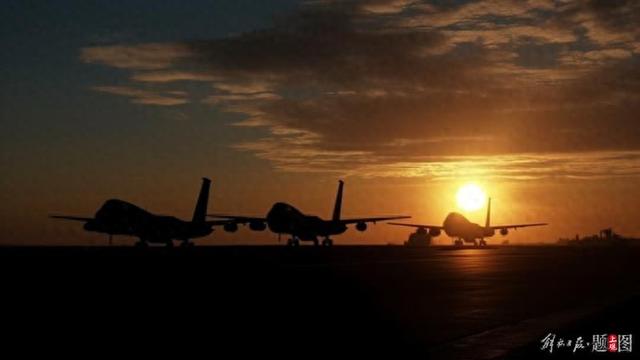
Group 1: Military Deployment - The U.S. continues to increase military presence in the Middle East, deploying 18 F-35 fighter jets, marking the largest single deployment in recent months [1][2][10] - The U.S. has also sent defense systems to the region, with dozens of military transport aircraft delivering equipment to Jordan, Bahrain, and Saudi Arabia [1][3][11] - The deployment reflects the U.S. strategy to exert pressure on Iran ahead of indirect negotiations [3][11] Group 2: U.S.-Iran Negotiations - President Trump indicated he would "indirectly" participate in the upcoming negotiations with Iran, emphasizing the importance of reaching an agreement [1][9] - Iran's Foreign Minister stated that Iran would not yield to threats and is prepared to negotiate a fair agreement [4][12] - The negotiations scheduled for February 17 in Geneva are expected to cover economic interests, including oil fields and mining investments [6][15] Group 3: Iranian Position - Iran has proposed to dilute its 60% enriched uranium, indicating a willingness to compromise, but insists on the necessity for the U.S. to demonstrate sincerity [5][12][15] - Iranian officials express cautious optimism about the negotiations, while also highlighting significant past grievances with the U.S. [5][13] - Iran's military exercises in the Strait of Hormuz are part of its strategy to showcase readiness against potential threats [14]
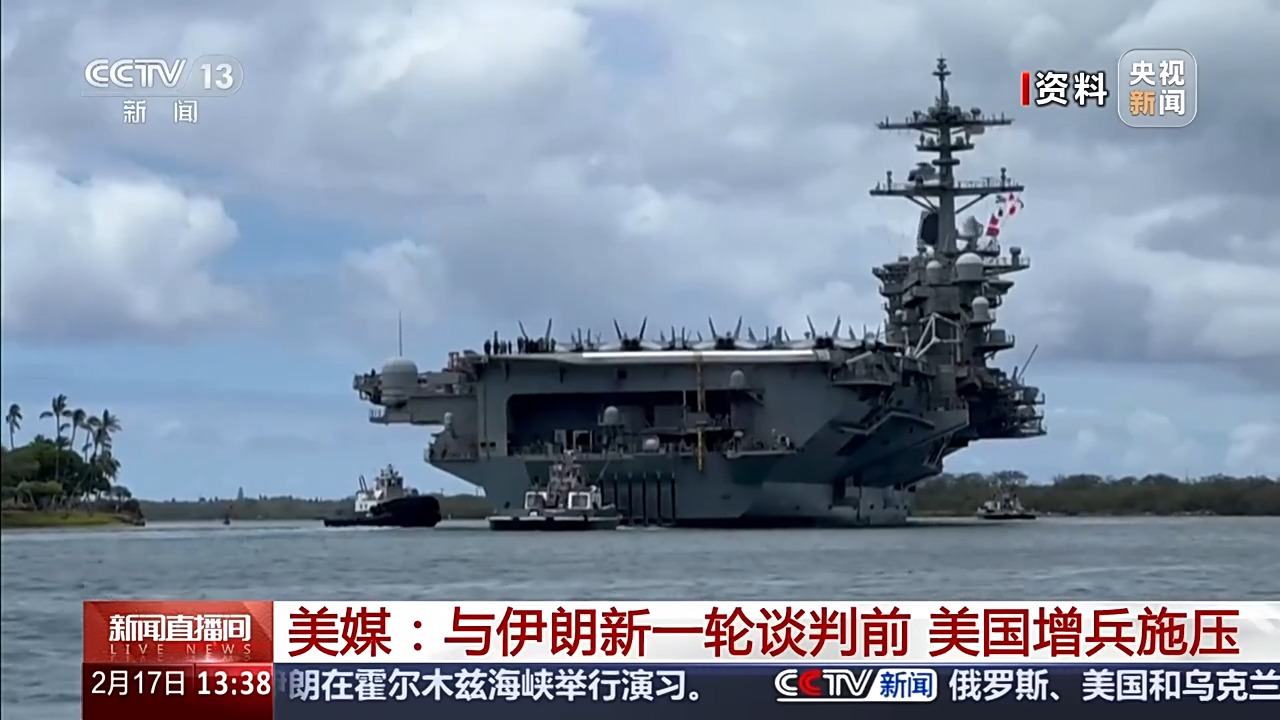
与伊朗新一轮谈判前 美国增兵施压
Xin Lang Cai Jing· 2026-02-17 08:08
Group 1 - The U.S. is significantly increasing its military presence in the Middle East ahead of indirect negotiations with Iran, aiming to apply pressure and prepare for potential military action if talks fail [1][3] - Recent deployments include the repositioning of U.S. military aircraft, such as tankers and fighter jets, from the UK to closer locations in the Middle East, along with the extension of deployment for several U.S. military units originally scheduled to rotate out [1][3] - The U.S. has been transporting military equipment to Jordan, Bahrain, and Saudi Arabia, with recent approvals for U.S. fighter jets to enter Jordanian airspace, indicating a strategic buildup in the region [3] Group 2 - A new round of indirect negotiations between Iran and the U.S. is scheduled for the 17th in Geneva, following previous talks in Muscat, Oman, where both sides have shown no willingness to compromise on core issues [5]
美媒:与伊朗新一轮谈判前,美国继续增兵中东
Xin Lang Cai Jing· 2026-02-17 02:49
Group 1 - The core viewpoint of the article highlights the U.S. military buildup in the Middle East as a strategy to pressure Iran ahead of indirect negotiations, with preparations for potential military action if talks fail [2] - The U.S. is redeploying military aircraft, including tankers and fighter jets, from the UK to closer locations in the Middle East, while also extending the deployment of several U.S. military units originally scheduled to rotate out [2] - Recent weeks have seen dozens of U.S. military transport aircraft delivering equipment to Jordan, Bahrain, and Saudi Arabia, with F-15 fighter jets deployed at the Muwaffaq Salti Air Base in Jordan since January 25 [2] Group 2 - The U.S. is increasing pressure on Iran by deploying an aircraft carrier strike group in the region, indicating a willingness for military intervention, with White House officials stating that "all options" are on the table for President Trump [2] - A second aircraft carrier strike group is reportedly being sent to the Middle East, further emphasizing the U.S. commitment to military readiness in the region [2] - Indirect negotiations between Iran and the U.S. are scheduled to take place in Geneva, Switzerland, on the 17th, following previous talks in Muscat, Oman, where both sides remain firm on their core disagreements [2]
美军继续向中东地区大规模增兵,以向伊朗施压
Xin Lang Cai Jing· 2026-02-17 01:48
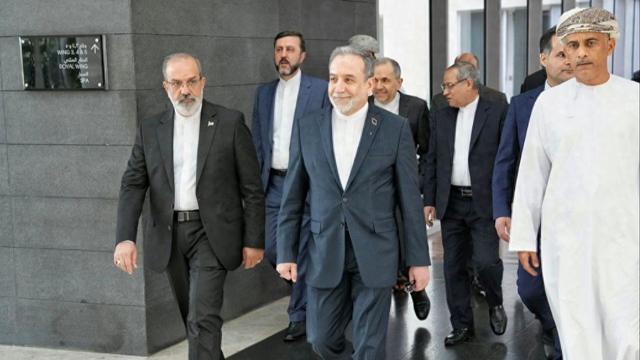
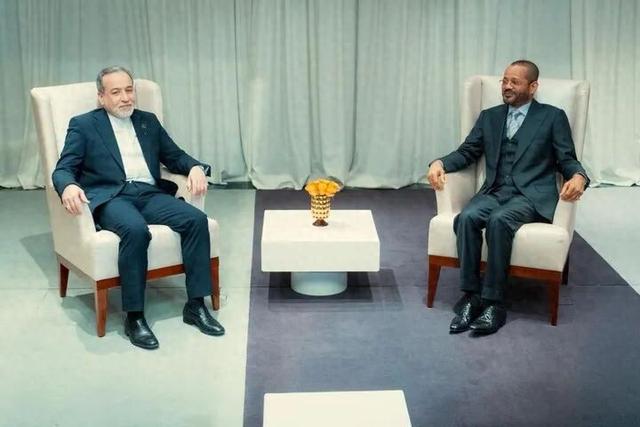
Group 1 - The core point of the articles is the ongoing tensions between the U.S. and Iran, with the U.S. increasing military presence in the Middle East ahead of new indirect negotiations scheduled for February 17 in Geneva [2][3] - The U.S. is reportedly redeploying military aircraft, including tankers and fighter jets, closer to the Middle East, while extending the deployment of several U.S. military units that were initially set to rotate out [2] - Recent reports indicate that dozens of U.S. military transport aircraft have been delivering equipment to Jordan, Bahrain, and Saudi Arabia, with F-15 fighter jets already stationed at a base in Jordan since January 25 [2] Group 2 - The indirect negotiations between the U.S. and Iran are being facilitated by Oman, with both sides showing no signs of compromise on core issues [3] - U.S. President Trump has expressed that Iran is interested in reaching an agreement and indicated his indirect involvement in the negotiations [3]
美媒:与伊朗新一轮谈判前 美国继续增兵中东
Xin Hua She· 2026-02-16 23:50
Group 1 - The core viewpoint of the article highlights the U.S. military buildup in the Middle East as a strategy to pressure Iran ahead of indirect negotiations, with preparations for potential military action if talks fail [1] - The U.S. is redeploying military aircraft, including tankers and fighter jets, from the UK to closer locations in the Middle East, while also extending the deployment of several U.S. military units originally scheduled to rotate out [1] - Recent weeks have seen dozens of U.S. military transport aircraft delivering equipment to Jordan, Bahrain, and Saudi Arabia, with F-15 fighter jets deployed at the Muwaffaq Salti Air Base in Jordan since January 25 [1] Group 2 - The U.S. is increasing its military presence in the region by deploying an aircraft carrier strike group and is reportedly sending a second carrier strike group to the Middle East, indicating a readiness for military intervention [1] - Indirect negotiations between Iran and the U.S. are scheduled to take place in Geneva, Switzerland, with both sides showing no willingness to compromise on core issues [1]