
淮剧小镇

Search documents
聚焦文化强省建设:借“苏超”经验推动长江文旅升级,筑牢非遗人才根基
Yang Zi Wan Bao Wang· 2026-02-04 15:35
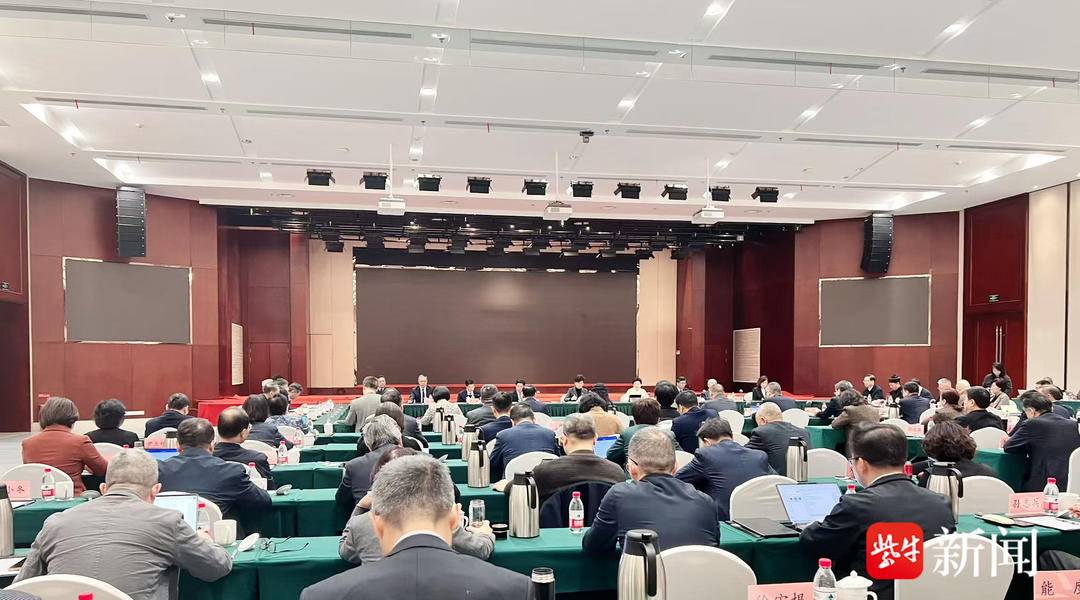
Group 1 - The core discussion at the Jiangsu Provincial Political Consultative Conference focused on building a culturally strong province and leveraging culture to empower economic and social development [1] - The success of "Su Chao" is attributed to the integration of sports, culture, and consumer resources, suggesting a need for a similar approach in Jiangsu's tourism and cultural sectors [3] - A proposal was made to systematically integrate the 433 kilometers of cultural and ecological resources along the Yangtze River in Jiangsu to create premium tourism routes [3] Group 2 - Successful cases of intangible cultural heritage (ICH) activation were shared, highlighting the integration of traditional arts into tourism, such as the transformation of Huai Opera into a tourist attraction [3] - Recommendations were made to modernize traditional operas like Kunqu and Xiju by making them more accessible and appealing to younger audiences, emphasizing the need for innovative and experiential offerings [3] - A call for establishing a cross-disciplinary curriculum in higher education focused on ICH, combining skills in craftsmanship, digital innovation, brand management, and cultural tourism [4] Group 3 - The rise of online literature as a significant cultural form was acknowledged, with suggestions to support original projects that reflect Jiangsu's cultural heritage [4] - Emphasis was placed on the importance of AI technology in new media formats like AI dramas and comics, advocating for policy support in these emerging fields [4]

超越资源依赖模式 专家解码文旅深度融合“盐城路径”
Zhong Guo Jing Ji Wang· 2025-12-29 14:13
Core Insights - The integration of culture and tourism in the new era should be rooted in advanced socialist culture, promoting innovative narratives in red tourism and functional transformation of traditional culture, while adapting to consumer trends such as individual travel, health and wellness, and immersive experiences [1][2] Group 1: Development Strategies - The "Yancheng Path" exemplifies a systematic approach to solving theoretical challenges in cultural and tourism integration, showcasing distinctive practices in red culture inheritance, ecological resource development, and the construction of a three-tier market system [1][3] - The focus on optimizing holiday systems and payment convenience, along with deepening institutional reforms in cultural and tourism integration, is essential for building a new governance mechanism in tourism [1][2] Group 2: Innovative Principles - The three principles of "can crystallize, can open up, can enhance flavor" advocate for the extraction of unique cultural IP, promoting natural integration of cultural tourism with industrial ecosystems, and achieving both material and spiritual value in products [2][3] - The "Yancheng Path" reveals a new paradigm for tourism development in latecomer cities, emphasizing the combination of culture, ecology, and technology as a support system [2][3] Group 3: Practical Applications - Yancheng's innovative practices include the "Yellow Sea No. 1 Tourist Road" connecting 582 kilometers of coastal ecological scenery, and the Huai Opera Town focusing on the activation of intangible cultural heritage to create immersive cultural tourism consumption scenarios [3] - The publication "Deep Integration of Culture and Tourism: The Yancheng Path" serves as a methodological framework for other cities, detailing the exploration process and providing replicable experiences for latecomer cities [3][4]