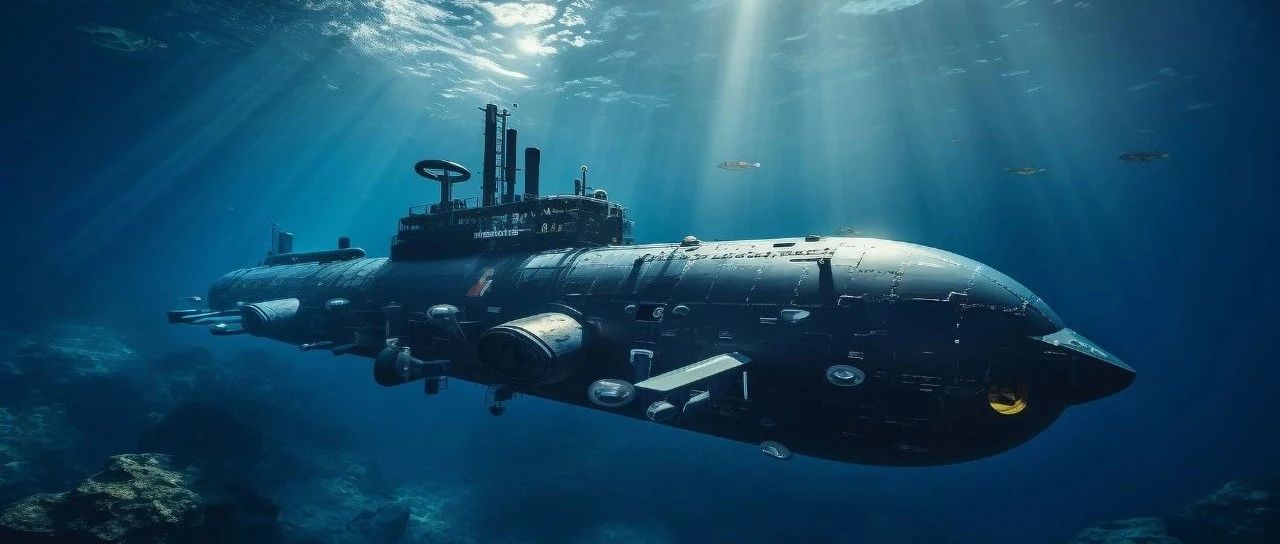
深海探测

Search documents
学习规划建议每日问答丨加紧国防科技创新和先进技术转化需要把握哪些重点
Xin Hua She· 2026-02-18 04:06
第二,加快国防科技自主创新、原始创新。核心技术是买不来的,军事核心技术更是买不来的。 推进国防和军队现代化,必须高度重视科技创新特别是自主创新、原始创新。这些年,随着建设 创新型国家和科技强国进程不断推进,我国科技创新水平正加速迈向世界第一方阵,基础研究国 际影响力快速提升,在信息技术、量子通信、超级计算、人工智能、航空航天、深海探测等一些 前沿技术领域取得显著进步。推动国防科技创新,应紧跟科技强国建设进程,立足自主创新战略 基点,优化国防科技创新布局和环境条件,集中各方面优势力量和资源,加快突破关键核心技 术,加快发展战略性、前沿性、颠覆性技术,推进高水平自立自强,牢牢掌握创新主动权、发展 主动权。自主创新、原始创新归根结底要靠人才。应树牢全国一盘棋思想,加快培养高层次人才 和创新团队,加强科研力量整合、资源统合、体系融合,为国防科技创新提供有力支撑。自主创 新、原始创新需要大力弘扬创新文化,倡导敢闯敢试、敢为人先,鼓励成功、宽容失败,切实把 有利于创新创造的动力活力充分激发出来。 第三,畅通先进科技成果向战斗力转化路径。加强创新性、突破性成果转化运用,是推动创新成 果形成先进战斗力的关键"一公里"。如果花 ...
布局未来产业赛道 地方竞相激活新引擎
Xin Lang Cai Jing· 2026-02-06 18:56
多地布局未来产业 "十四五"以来,我国在未来产业前沿领域加快科技布局,在人工智能、生物制造、量子信息、氢能等一 批未来产业关键领域取得突破。"十五五"规划建议进一步明确,推动量子科技、生物制造、氢能和核聚 变能、脑机接口、具身智能、第六代移动通信等成为新的经济增长点。 国研新经济研究院创始院长朱克力对《中国经营报》记者表示,未来产业具有前瞻性、战略性、颠覆性 等特点,关乎科技产业制高点与发展主动权的争夺。中共中央政治局第二十四次集体学习传递出"稳中 求进、梯度培育"的明确导向,既强调立足客观条件、发挥比较优势,又要求统筹当前与长远,避免盲 目跟风与重复建设。 党的二十届四中全会明确提出,培育壮大新兴产业和未来产业。随着国家层面的定向部署,地方发展步 伐紧随其后。目前,全国31个省(区、市)两会均已召开,浙江、北京、广东等地都将未来产业发展规 划纳入2026年《政府工作报告》。 受访业界专家认为,这是立足强国建设与民族复兴战略高度的前瞻布局,更是把握新一轮科技革命和产 业变革机遇的关键之举。此举彰显未来产业已成为培育新质生产力、构建现代化产业体系的核心抓手, 为"十五五"时期产业发展锚定主攻方向与推进路径。 中 ...
深海科技|石华海月揽蛟龙,万亿深海孕生机
中信证券研究· 2025-03-25 00:14
Core Viewpoint - Deep-sea technology has been included in the government work report for the first time during the 2025 "Two Sessions," indicating the high-level leadership's emphasis on deep-sea development. This sector is expected to receive supportive policies from local governments, similar to the development opportunities seen in low-altitude economy and commercial aerospace [1][2]. Policy Support and Development - The government work report emphasizes the promotion of deep-sea technology alongside commercial aerospace and low-altitude economy, highlighting its political, economic, technological, and military significance. The national marine production value is projected to exceed 10 trillion yuan in 2024, reaching 105.438 billion yuan, with a year-on-year growth of 5.9% [2][5]. - Local governments in coastal areas are anticipated to introduce related stimulus policies to support the development of deep-sea technology as a new productive force [2][5]. Key Policies - The "Shanghai Marine Industry Development Plan (2025-2035)" aims to promote high-quality development of the marine economy, focusing on deep-sea technology and marine observation network construction [5]. - The central government has established a 50 billion yuan fund to support deep-sea exploration, equipment manufacturing, and resource development [5]. - Various provinces are developing their marine industry frameworks, emphasizing deep-sea resource development, marine biotechnology, and high-end marine equipment manufacturing [6]. Development Pathways - The development of deep-sea technology focuses on three key areas: deep diving, deep drilling, and deep networking. High-performance manned and unmanned submersibles are becoming a priority for many countries, with China advancing significantly in deep-sea exploration [7][24]. - The deep-sea sector is characterized by high pressure and corrosion, making materials like titanium and carbon fiber composites essential for equipment development [13][14]. Investment Opportunities - Investment should prioritize core manufacturers across the deep-sea technology supply chain, particularly in deep-sea equipment, deep-sea information technology, and upstream materials [24][26]. - The demand for underwater communication technologies is expected to grow, with a shift towards multi-modal communication methods to meet various operational needs [13][19].