滑雪服饰

Search documents
米兰之后,中国冰雪如何跨越“后奥运”周期?从竞技突围到产业深耕
Xin Lang Cai Jing· 2026-02-25 12:49
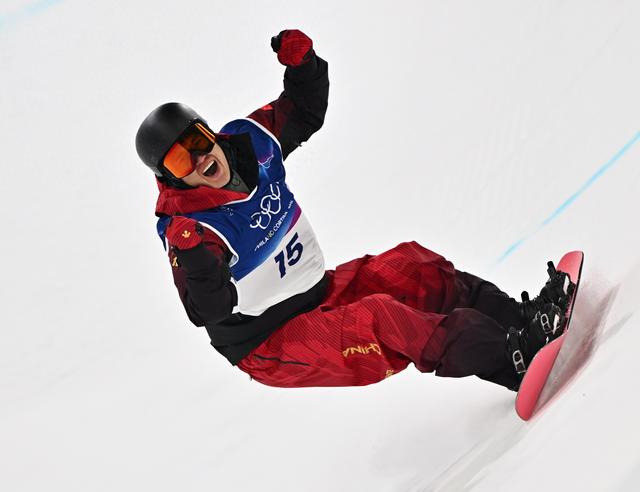
Core Insights - The 25th Winter Olympics in Italy showcased the rising momentum of Chinese winter sports athletes, with a significant increase in viewership and engagement due to the immersive experience created by digital broadcasting and virtual interaction technologies [1][4] Industry Trends - The Winter Olympics have transformed from a seasonal event to a year-round popular sport, with a notable increase in interest towards high-skill and high-aesthetic sports like freestyle skiing and snowboarding [3][4] - The ice and snow economy is projected to grow significantly, with the total industry consumption expected to exceed 187.5 billion yuan in the 2024-2025 season, marking a 25% year-on-year increase [5] - The Chinese snow sports equipment market is anticipated to surpass 100 billion yuan by 2026, driven by increasing consumer demand for high-quality and personalized products [5][6] Economic Impact - The Milan Winter Olympics is expected to act as a "dual accelerator" for the ice and snow economy, with a surge in Chinese tourists to Italy during the event, coinciding with the Chinese New Year holiday [4][6] - The event has opened new international windows for Chinese ice and snow consumption, brand export, and technology application, enhancing China's role from a participant to a significant driver in the global ice and snow economy [6][19] Technological Integration - The integration of technology in training and equipment development is becoming a key support for competitive performance and industry growth, with advancements in data analytics and AI being utilized for athlete training [6][8] - Professional brands like DESCENTE are playing a crucial role in the development of the ice and snow ecosystem, transitioning from mere equipment producers to ecosystem builders [19] Long-term Development - The Chinese government is focusing on quality improvement in the ice and snow industry, as outlined in the "14th Five-Year" sports development plan and the "Ice and Snow Economy Action Plan" [17][19] - The collaboration between brands and national teams is fostering innovation and enhancing the competitive edge of Chinese athletes, while also promoting the long-term sustainability of the ice and snow economy [12][19]

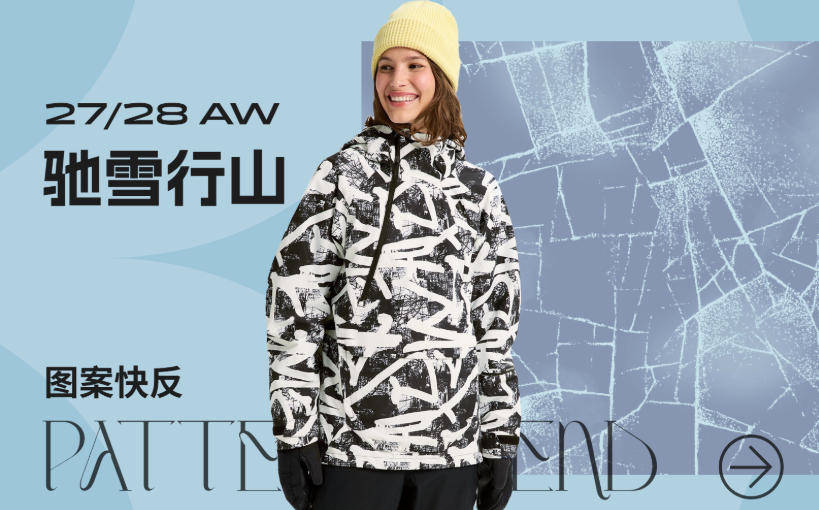
驰雪行山 -- 男女装户外滑雪快反图案趋势
Sou Hu Cai Jing· 2025-09-29 09:51
Core Insights - The outdoor skiing apparel market is transitioning from "professional functionality" to a dual focus on "functionality and trendiness," driven by the "outdoor craze" and "cross-border trends" [1] - By 2025, the global outdoor skiing apparel market is projected to exceed $26 billion, with products featuring "quick-response patterns" accounting for 72% of sales, reflecting a 38% year-on-year growth [1] - In China, the skiing apparel sales reached 19 billion yuan in the first half of 2025, with consumers aged 25-40 contributing 80% of sales [1] Market Trends - The demand for skiing apparel is influenced by the diversification of skiing scenarios, with professional skiing accounting for 45% and leisure skiing for 55% [1] - The integration of street style and outdoor functionality is leading to higher repurchase rates for trendy skiing apparel, which are 32 percentage points higher than purely professional styles [1] Design Characteristics - Key design inspirations include retro skiing apparel from the 1970s and 1980s, featuring patterns like "zigzag, checkerboard, and wave" [4] - Men's apparel tends to focus on "dark tones and large patterns," while women's apparel prefers "low-saturation contrasting colors and small patterns" [4] - The use of "heat transfer and abrasion-resistant coatings" ensures durability and visual appeal, with patterns designed to withstand over 50 abrasion cycles [4][6] Consumer Preferences - The 2025 sales data indicates that the "ice crack fantasy" pattern accounts for 72% of sales in northern regions, with a repurchase rate of 42% among professional skiers [4] - The "neon fantasy" pattern has gained popularity among younger consumers, with over 40 million mentions on social media platforms [8] Supply Chain and Production - The industry is leveraging "craft grading and rapid supply chain support" to reduce costs and improve efficiency, with some brands achieving a 30% cost reduction through innovative production methods [7] - The POP Trend Network provides a comprehensive resource library with over 6,000 quick-response pattern cases, aiding designers in reducing design cycles by 40% [9] Future Outlook - By 2027, the skiing apparel market is expected to adopt more sustainable materials, such as recycled fabrics and eco-friendly inks, with a notable example being a brand's 100% recycled fabric ski suit [10] - The integration of smart patterns that respond to environmental changes is projected to capture 10% of the high-end market by 2027 [10] - Collaborations between skiing brands and streetwear or anime IPs are anticipated to increase, demonstrating significant market potential [10]