滑雪装备(头盔

Search documents
新雪季开启!新手也能放心冲的滑雪安全指南来了
Yang Shi Xin Wen· 2025-12-04 01:32
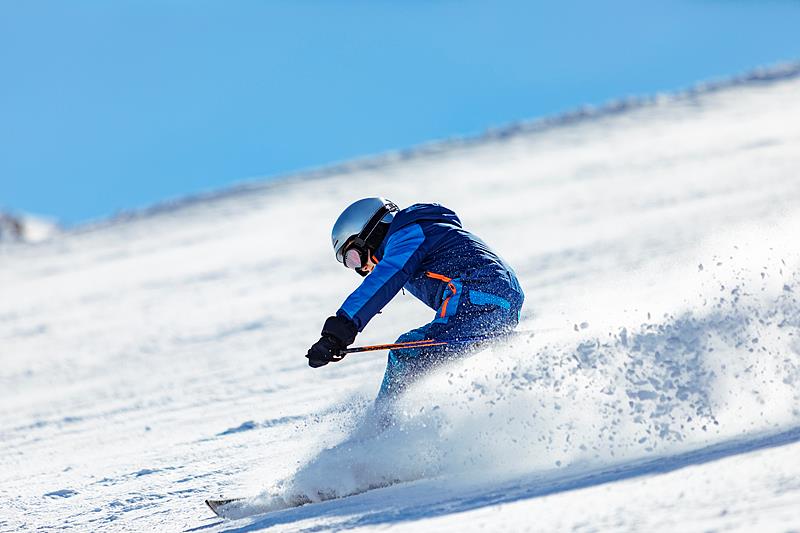
Core Viewpoint - The 2025-2026 snow season has begun, with ski resorts opening across various regions, including Xinjiang and Jilin, where students are enjoying "snow holidays" and starting their skiing journeys [1] Safety Guidelines - Before hitting the slopes, individuals should assess their health status, avoiding skiing if they have certain medical conditions or have consumed alcohol or medication that may impair their ability [3] - It is essential to learn safety protocols for winter sports, purchase accident insurance, and familiarize oneself with the ski resort layout and trail difficulty levels [3] - A warm-up of 5-15 minutes is recommended before skiing to prevent injuries due to cold muscles and joints [3] Protective Gear - Helmets are crucial for safety, and should fit securely without wobbling [5] - Protective gear such as knee, elbow, and hip pads can reduce injury risk during falls, especially for beginners [5] - Ski goggles should provide good visibility and protection against snow blindness, wind, and UV rays [5] - Wearing waterproof and breathable ski clothing, along with warm gloves, is necessary to prevent frostbite [5] Equipment Selection - Beginners should opt for double skis for better balance, with ski length being 10-15 cm shorter than their height for easier control [7] - Ski boots must fit well, ensuring the toes touch the front without being cramped, and the heel should not move [7] - New skiers should avoid using ski pole straps to prevent injury during falls [7] Dressing Appropriately - The "onion method" for dressing is recommended: wear moisture-wicking base layers, fleece or thin down mid-layers, and waterproof outer layers, preferably in bright colors for visibility [8] Skiing Rules - Skiers should choose trails that match their skill level and remain vigilant to avoid collisions [10] - Beginners should ski slowly along the edges of the ice rink and avoid skiing against the flow [10] - It is important to yield to skiers ahead and maintain a safe distance when overtaking [10] - Avoid stopping in the middle of trails or at turns, and do not ski in closed areas [10] Emergency Procedures - In case of a fall, skiers should adopt protective positions to minimize injury risk, such as crossing arms when falling backward [12] - If injuries occur, do not move if severe pain is present; instead, call for help [14] - To prevent hypothermia, seek shelter from the wind and change out of wet clothing [14] Post-Ski Recovery - After skiing, heat therapy and stretching exercises can alleviate muscle soreness [15][16] - Nutritional recovery should include high-quality carbohydrates and proteins within two hours post-exercise [16] - Maintaining hydration and ensuring adequate rest are crucial for recovery [17][18]