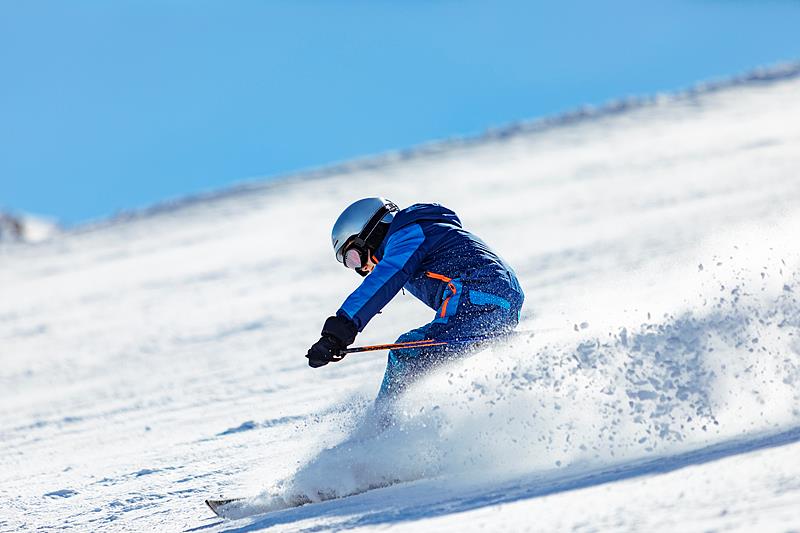
雪镜

Search documents
2026新春走基层|冬奥热带火冰雪装备
Xin Lang Cai Jing· 2026-02-22 04:34
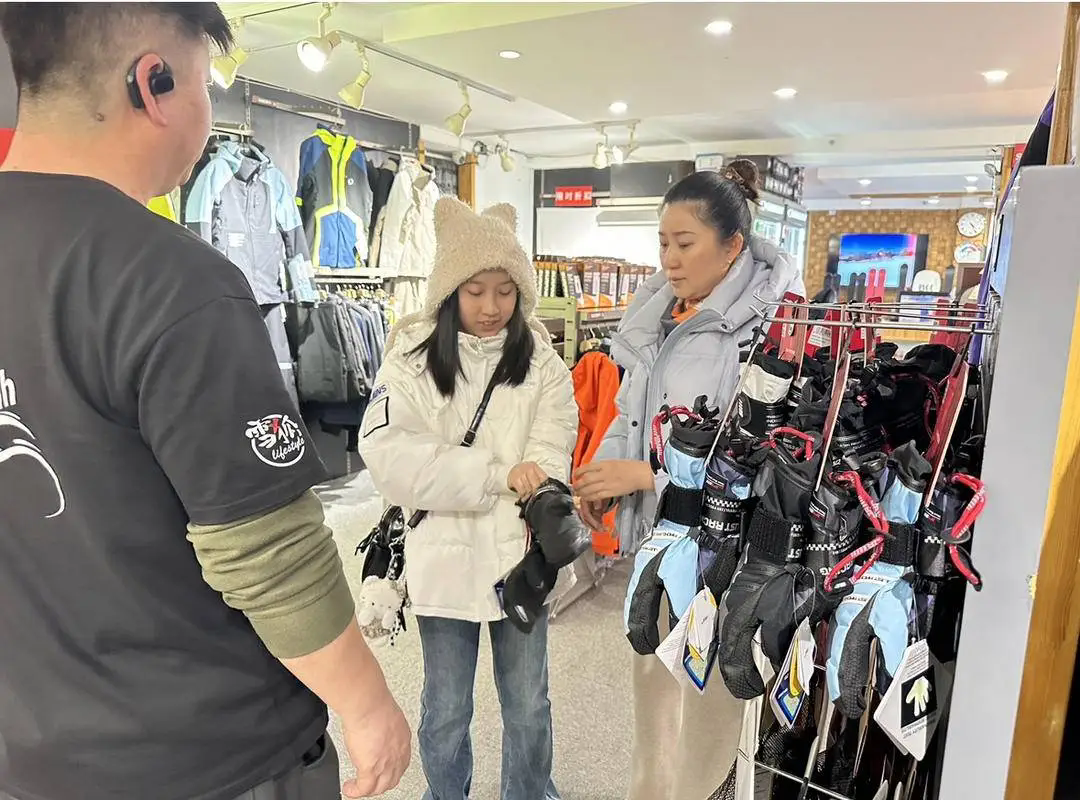
Industry Insights - The popularity of winter sports equipment has surged following the Beijing Winter Olympics, with significant consumer interest noted during the Milan Winter Olympics, leading to an upgrade in consumer spending on winter sports gear [6] - The demand for high-quality winter sports products has increased, with consumers becoming more knowledgeable about materials and technology, resulting in a preference for premium products such as helmets with MIPS technology, which are priced significantly higher than standard options [6] - The winter sports market in Dalian has seen a substantial boost, with over 1 million people participating in ice and snow activities, generating nearly 1.5 billion yuan in related consumption [8] Consumer Behavior - Young athletes, inspired by Olympic champions, are increasingly investing in new skiing equipment, with families spending significant amounts on gear, such as a total of over 9,000 yuan for a complete set of skiing equipment [3] - Retailers are experiencing high sales volumes, with many ski apparel items sold out due to increased demand during the winter holiday season [3][6] - The growth of winter sports has also led to the emergence of new business models, including ski training camps and coaching services, reflecting a diversification in consumer spending within the winter sports sector [9]

新春走基层 | 冬奥热带火冰雪装备
Xin Lang Cai Jing· 2026-02-22 00:26
Group 1 - The Beijing Winter Olympics significantly boosted interest in ice and snow sports, leading to increased sales of related equipment and apparel, with consumers now more knowledgeable about product quality and technology [2][3] - The demand for high-quality snow sports gear has risen, with products featuring advanced technologies like MIPS (Multi-directional Impact Protection System) seeing much higher sales despite their higher prices [2] - The overall consumption related to ice and snow sports in Dalian reached nearly 1.5 billion yuan, driven by over a million participants engaging in winter sports activities [3] Group 2 - Retailers are experiencing a surge in sales of winter sports gear, with many items, including ski suits, selling out quickly during the holiday season [2] - The popularity of winter sports has led to the emergence of new business models, including ski training camps and coaching services, expanding the market beyond just equipment sales [3]
冬奥热带火冰雪装备
Xin Lang Cai Jing· 2026-02-21 22:19
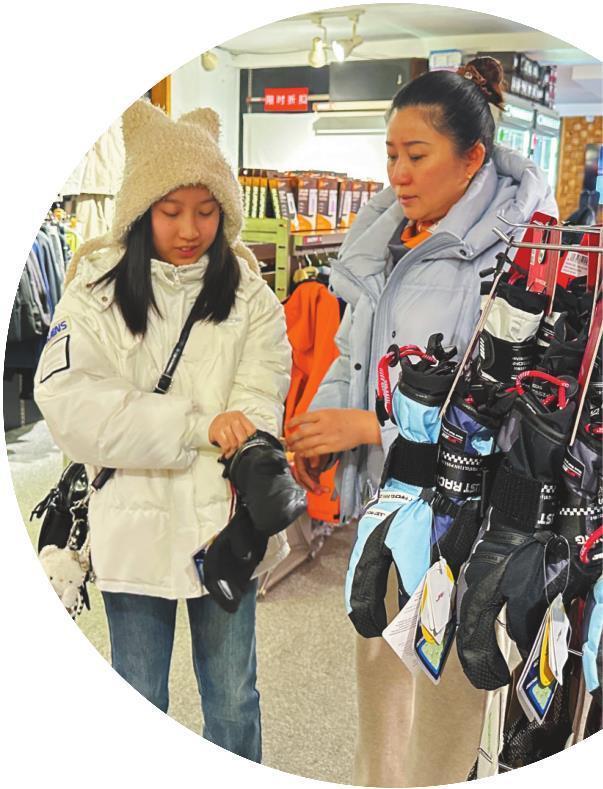
Group 1 - The popularity of winter sports has significantly increased, leading to a surge in demand for ice and snow products, particularly after the Beijing Winter Olympics and the upcoming Milan Winter Olympics [4][5]. - Consumers are increasingly knowledgeable about ice and snow products, with a growing demand for high-quality gear, such as helmets with MIPS technology, which are priced significantly higher than traditional options but have much higher sales volumes [5]. - The winter sports market in Dalian has seen substantial growth, with over one million people participating in ice and snow activities, generating nearly 1.5 billion yuan in related consumption [5]. Group 2 - Retailers are experiencing high sales of winter sports equipment, with many items, including ski apparel, selling out quickly during the holiday season [4][5]. - The success of Chinese athletes in the Winter Olympics has further boosted sales of Olympic-themed merchandise, including high-tech clothing and accessories [5]. - The market for winter sports services, such as training camps and coaching, is expanding, reflecting the increasing engagement in winter sports activities [5].
“冰雪+”串起消费产业链
Jin Rong Shi Bao· 2026-02-11 02:00
Group 1 - The Winter Olympics in Italy has reignited public interest in ice and snow sports, leading to increased participation in activities such as ice skating and skiing in popular locations like Beijing and Chongli [1] - Chongli, a key area for ice and snow tourism, is projected to receive over 10 million visitors by 2025, with weekend visitor numbers at certain ski resorts reaching around 15,000 [1] - The Northeast region of China is experiencing a booming ice and snow economy, highlighted by the launch of the "2026 'Buy in China' National Ice and Snow Consumption Season" in Harbin [1] Group 2 - The "Ice and Snow +" initiative aims to broaden the consumption chain, transforming ice and snow entertainment into a diversified consumer experience [2] - A complete ice and snow consumption chain has formed, with consumers spending significantly on equipment and travel, indicating the growing potential of the ice and snow economy [3] - Popularity in ski resorts is driving growth in related sectors such as transportation, accommodation, and dining [3] Group 3 - Hotel bookings in Chongli are in high demand, with some hotel types already fully booked, and snow equipment stores are also seeing increased customer traffic [4][5] - The China Tourism Research Institute forecasts that ice and snow tourism participants will reach 360 million by the winter of 2025-2026, generating an income of 450 billion yuan, with 220 million tourists primarily motivated by ice and snow activities [6] - Local governments are implementing targeted policies and initiatives to stimulate ice and snow consumption, integrating it into the overall New Year consumption season [6] Group 4 - Hubei province plans to launch a "Dance with Winter" ice and snow consumption season, distributing consumption vouchers and creating premium tourism routes to boost related spending by over 200 million yuan [7] - Jilin province aims to establish itself as a world-class ice and snow tourism destination, with a 5 billion yuan fund and 1 billion yuan in consumption vouchers to promote the industry [7] - Financial institutions are introducing various financial products to support the ice and snow economy, including interest-free installment plans and discounts for consumers [8] Group 5 - The ice and snow economy is transitioning from a seasonal trend to a high-quality, full-industry chain development, becoming a significant driver for domestic demand and consumption [8]
云南户外冰雪公开课受欢迎3000人感受运动魅力
Xin Lang Cai Jing· 2026-02-07 22:52
Core Viewpoint - The recent ice and snow open class in Yunnan Province emphasizes "universal participation, zero threshold experience, and practical learning" to promote winter sports among the youth [1] Group 1: Event Overview - The ice and snow open class was held at the Dahuicaoshan Ski Resort in Qujing, attracting 3,000 participants who experienced the charm and fun of winter sports under the guidance of professional coaches [1] - The event provided free teaching and included a comprehensive package of skiing equipment such as skis, helmets, goggles, and boots for all participants [1] Group 2: Participant Experience - Participants, including families and young enthusiasts, expressed satisfaction with the event's organization, highlighting the convenience of not needing to bring their own equipment [1] - The event aims to foster a love for winter sports among the youth by offering 3,000 ice and snow experience vouchers for the Dahuicaoshan International Ski Resort, valid until March 1 [1]
滑雪这件事儿
Xin Lang Cai Jing· 2026-02-02 07:46
Group 1 - The article contrasts skiing and golf, highlighting skiing as a more dynamic and thrilling experience compared to the social aspect of golf [1] - The author describes the initial challenges faced while learning to ski, including falling and the physical demands of the sport [2] - The narrative emphasizes the importance of recognizing personal limits and the lessons learned from skiing experiences, equating them to life lessons [3] Group 2 - The author reflects on the progression from a beginner to an intermediate skier, showcasing determination and the desire to improve skills [2] - A significant incident involving a fall serves as a turning point, leading to a deeper understanding of safety and self-awareness in skiing [3] - The article concludes with a metaphor about skiing representing life's challenges, emphasizing the balance between ambition and caution [3]
冰雪季“上分”指南!你的安全知识才是顶级装备
Yang Shi Xin Wen· 2025-12-20 01:33
Core Viewpoint - The article emphasizes the importance of safety knowledge and precautions for winter sports, particularly skiing and ice skating, as the winter season begins and participation in these activities increases. Group 1: Skiing Safety Guidelines - Skiing is a high-risk sport, and following rules and protective measures is crucial [1] - Choose a reputable ski resort with complete facilities and avoid undeveloped areas [2] - Proper equipment is essential, including well-fitted skis, boots, and helmets; helmets are critical for safety [4] - Beginners should start on easier slopes and progress gradually without challenging advanced trails [5] - Adhere to skiing "traffic rules," such as yielding to skiers below and controlling speed according to ability and snow conditions [6] - Maintain a safe distance from others, trees, and safety barriers [7] - Learn how to fall safely to minimize injury risks, such as avoiding wrist injuries during falls [9][10] Group 2: Ice Skating Safety Guidelines - Ice skating is popular but carries risks; choose managed ice rinks and avoid natural ice surfaces [12] - Wear well-fitting skates with tight laces for ankle support; beginners should wear protective gear like helmets and pads [13] - Stay alert to the movements of other skaters and avoid stopping in the center of the rink [15] Group 3: Winter Outdoor Activity First Aid - Knowledge of first aid for winter injuries is essential, including treatment for snow blindness, frostbite, and hypothermia [17][18][19]

冰天雪地,如何乐享户外运动
Ren Min Ri Bao· 2025-12-19 05:24
Group 1: Winter Sports Safety Guidelines - The article emphasizes the importance of preparation and knowledge for safely enjoying winter sports like skiing and winter swimming [2][3][4] - For skiing, it is recommended to choose appropriate equipment, such as skis that are 10-15 cm shorter than the skier's height, and to wear essential protective gear including helmets and goggles [3] - New skiers should start on gentle slopes and learn to control speed and direction before attempting more advanced trails, maintaining a proper posture while skiing [3][6] Group 2: Winter Swimming Precautions - Winter swimming can effectively enhance cardiovascular health and immune function, but it is not suitable for everyone; health screenings are advised before participation [4][5] - Swimmers should gradually acclimate to cold water temperatures and limit their time in water below 14 degrees Celsius to 14 minutes, reducing time as temperature decreases [5] - Post-swimming, it is crucial to dry off in a specific order and consume warm drinks to help restore body temperature [5] Group 3: Outdoor Hiking Recommendations - For winter hiking, a layered clothing approach is recommended, with moisture-wicking base layers and insulated middle layers to retain heat [6] - Proper footwear with good traction is essential, and hikers should consider using ice grips and trekking poles for stability [6][7] - High-calorie foods and hot drinks are advised for energy, and carrying emergency gear such as thermal blankets and GPS devices is recommended [6][7] Group 4: Snow Blindness Awareness - Snow blindness, caused by UV exposure in snowy environments, can lead to temporary eye inflammation and requires preventive measures such as wearing UV-protective goggles [7] - Symptoms include tearing, redness, and pain in both eyes, and treatment involves resting the eyes and using antibiotic eye drops if necessary [7]
冬季户外运动怎样防寒保暖?如何规避危险?
Ren Min Ri Bao· 2025-12-18 04:12
Group 1: Winter Sports Safety and Preparation - The article emphasizes the importance of preparation and knowledge for safely enjoying winter sports like skiing and winter swimming [2][3][4] - Skiing should start with mastering basic skills on gentle slopes before progressing to more challenging terrains, with a focus on maintaining proper posture and safety distance from other skiers [3][6] - For winter swimming, a systematic health check is recommended before participation, and gradual acclimatization to cold water is crucial to avoid cold shock [4][6] Group 2: Equipment and Clothing Recommendations - Ski equipment should prioritize practicality and suitability, with specific recommendations for ski length and protective gear such as helmets and goggles [3] - For winter hiking, a layered clothing approach is advised, including moisture-wicking base layers, insulating mid-layers, and waterproof outer layers, along with protective accessories for the head, hands, and feet [6][7] - Emergency gear such as survival blankets, heat packs, and waterproof GPS devices are suggested for outdoor activities [7] Group 3: Techniques and Nutrition - Proper techniques for walking on snow and ice are highlighted, including specific foot placements and movements to maintain balance and prevent falls [6] - Nutrition during winter activities should focus on high-calorie foods and warm beverages, with suggestions for cooking in the field if conditions allow [6] Group 4: Eye Protection and Treatment - Snow blindness, caused by UV exposure in snowy environments, is discussed, with symptoms and prevention methods outlined, including the use of UV-protective goggles [8] - Treatment recommendations for snow blindness include resting, avoiding eye rubbing, and using antibiotic eye drops if necessary [8]
新雪季开启!新手也能放心冲的滑雪安全指南来了
Yang Shi Xin Wen· 2025-12-04 01:32
Core Viewpoint - The 2025-2026 snow season has begun, with ski resorts opening across various regions, including Xinjiang and Jilin, where students are enjoying "snow holidays" and starting their skiing journeys [1] Safety Guidelines - Before hitting the slopes, individuals should assess their health status, avoiding skiing if they have certain medical conditions or have consumed alcohol or medication that may impair their ability [3] - It is essential to learn safety protocols for winter sports, purchase accident insurance, and familiarize oneself with the ski resort layout and trail difficulty levels [3] - A warm-up of 5-15 minutes is recommended before skiing to prevent injuries due to cold muscles and joints [3] Protective Gear - Helmets are crucial for safety, and should fit securely without wobbling [5] - Protective gear such as knee, elbow, and hip pads can reduce injury risk during falls, especially for beginners [5] - Ski goggles should provide good visibility and protection against snow blindness, wind, and UV rays [5] - Wearing waterproof and breathable ski clothing, along with warm gloves, is necessary to prevent frostbite [5] Equipment Selection - Beginners should opt for double skis for better balance, with ski length being 10-15 cm shorter than their height for easier control [7] - Ski boots must fit well, ensuring the toes touch the front without being cramped, and the heel should not move [7] - New skiers should avoid using ski pole straps to prevent injury during falls [7] Dressing Appropriately - The "onion method" for dressing is recommended: wear moisture-wicking base layers, fleece or thin down mid-layers, and waterproof outer layers, preferably in bright colors for visibility [8] Skiing Rules - Skiers should choose trails that match their skill level and remain vigilant to avoid collisions [10] - Beginners should ski slowly along the edges of the ice rink and avoid skiing against the flow [10] - It is important to yield to skiers ahead and maintain a safe distance when overtaking [10] - Avoid stopping in the middle of trails or at turns, and do not ski in closed areas [10] Emergency Procedures - In case of a fall, skiers should adopt protective positions to minimize injury risk, such as crossing arms when falling backward [12] - If injuries occur, do not move if severe pain is present; instead, call for help [14] - To prevent hypothermia, seek shelter from the wind and change out of wet clothing [14] Post-Ski Recovery - After skiing, heat therapy and stretching exercises can alleviate muscle soreness [15][16] - Nutritional recovery should include high-quality carbohydrates and proteins within two hours post-exercise [16] - Maintaining hydration and ensuring adequate rest are crucial for recovery [17][18]