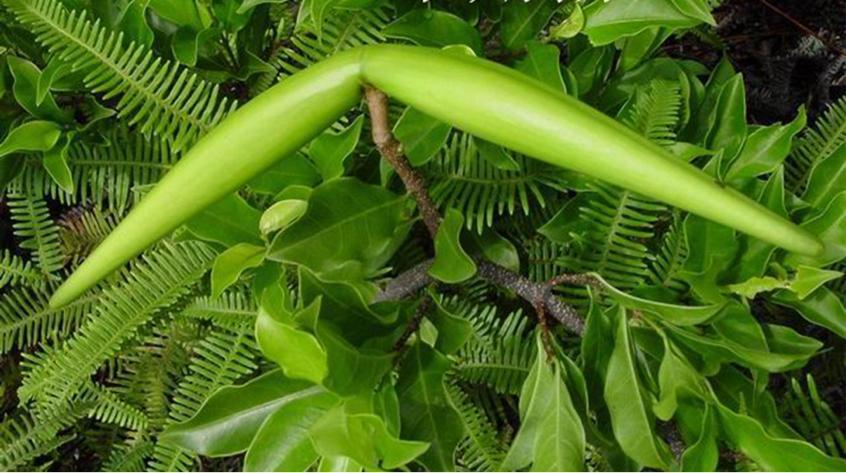
滴水观音

Search documents
男子明知滴水观音有毒舔一口险丧命
Xin Lang Cai Jing· 2026-02-26 11:28
Core Viewpoint - A man experienced severe poisoning after tasting the sap of a plant known as "滴水观音" (Die Shui Guanyin), which is toxic and can cause life-threatening symptoms if ingested [1] Group 1: Incident Details - The incident involved a 42-year-old man who, out of curiosity, tasted the sap of the "滴水观音" plant, leading to immediate health complications [1] - After tasting the sap, the man experienced a burning sensation in his throat and required urgent medical attention, which included gastric lavage and other treatments [1] Group 2: Plant Toxicity Information - "滴水观音," also known as "海芋" (Hai Yu), contains toxic substances such as calcium oxalate crystals, saponins, and alkaloids, which can irritate the skin and digestive system [1] - Symptoms of poisoning can include oral numbness, difficulty swallowing, nausea, vomiting, and in severe cases, can lead to choking, cardiac arrest, and loss of consciousness [1] - It is advised that households with children avoid planting "滴水观音" to prevent accidental ingestion or contact with its sap [1]
健康喜庆两相宜!如何正确选购年宵花?专家支招→
Sou Hu Cai Jing· 2026-02-14 08:32
Core Viewpoint - The flower market is experiencing a peak season for purchasing New Year flowers, with a variety of options available that are popular for home decoration during the Spring Festival [1] Group 1: Flower Selection - Various types of New Year flowers are being offered, which are colorful and carry auspicious meanings, making them a preferred choice for families during the Spring Festival [1] - When selecting New Year flowers, personal preference should be balanced with considerations of the home environment, particularly regarding maintenance difficulty and health impacts [1] Group 2: Expert Recommendations - The recommended flowers for easy maintenance include orchids, such as butterfly orchids and large-flowered orchids, which are known for their large blooms, vibrant colors, and long flowering periods of over three months [1] - Caution is advised against purchasing certain attractive flowers that may not be suitable for indoor display, such as poinsettias and dieffenbachia, due to their strong scents and potential toxicity [2] - It is suggested that consumers balance aesthetics, symbolism, and health when choosing New Year flowers to enhance the festive atmosphere [2]
过敏人士如何安全选购年宵花?专家支招
Yang Shi Xin Wen· 2026-02-13 18:01
Group 1 - The upcoming Spring Festival has led to a peak season for the purchase and sale of New Year flowers across various regions, with experts advising caution for individuals with allergies when selecting and placing these flowers [1][10] - Certain flowers may contain pollen, scents, or sap that can act as inhalant or contact allergens, potentially affecting sensitive individuals [2][4] - It is recommended that individuals with allergies avoid receiving fresh flowers as gifts, as this could trigger allergic reactions, which may manifest as allergic dermatitis, rhinitis, asthma, or conjunctivitis [4] Group 2 - For those with allergies, it is important to consider the placement of flowers, ensuring good ventilation to reduce pollen concentration [6] - Families with elderly members, children, or pets should be cautious when purchasing strongly scented flowers like lilies and daffodils, as well as thorny plants like roses, to prevent allergic reactions or injuries [8][10] - The variety of New Year flowers available is extensive, and when selecting, one should consider not only personal preferences but also the suitability for the home environment, including care difficulty and health impacts [10][12] Group 3 - Among the recommended plants for ease of care are orchids, such as butterfly orchids and large-flowered orchids, which are visually appealing and have a long flowering period [12] - Some visually attractive flowers may not be suitable for indoor display, particularly those that are strongly scented or have mildly toxic leaves, such as poinsettias and dieffenbachia [14] - The selection of New Year flowers should balance aesthetics, symbolism, and health considerations, ensuring that the floral arrangements contribute positively to the festive atmosphere [14]


年宵花热销 室内养花有讲究
Xin Lang Cai Jing· 2026-02-05 04:46
Core Viewpoint - The flower market in Langfang is experiencing a peak sales season as the Spring Festival approaches, with various flowers and plants being popular among consumers for their auspicious meanings and health benefits [4][5]. Group 1: Market Trends - The flower market is bustling with activity as vendors prepare their displays, featuring plants like the money tree, butterfly orchid, and red anthurium, which symbolize wealth and happiness [4]. - Consumers are increasingly interested in indoor plants for their aesthetic and health benefits, such as air purification and humidity regulation [4]. Group 2: Health Considerations - Some flowers are not suitable for indoor cultivation due to potential health risks, such as night-blooming jasmine and tulips, which can cause respiratory issues and allergic reactions [5][6]. - It is advised to limit the number of indoor plants, especially in bedrooms, as they can release carbon dioxide at night, affecting sleep quality [5]. Group 3: Recommended Plants - Suitable indoor plants include aloe vera, spider plant, and peace lily, which can absorb toxins and purify the air [6]. - Certain plants, like cacti and succulents, are noted for their ability to reduce electromagnetic radiation from electronic devices [6].
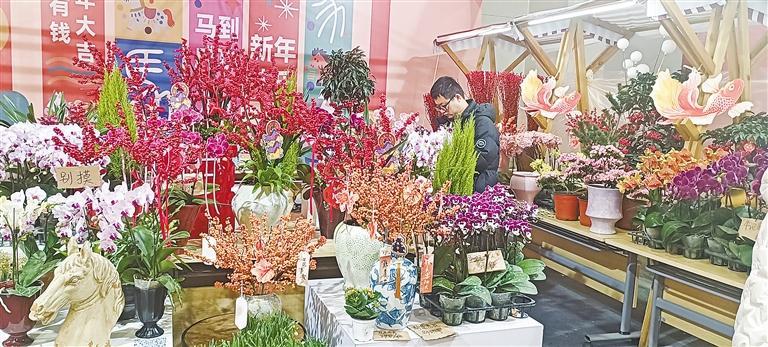
这4种常见植物有毒!别吃!家里有娃的,尤其要注意→
Zhong Guo Xin Wen Wang· 2025-08-14 01:26
Core Viewpoint - The article highlights the potential dangers of ornamental plants, emphasizing that certain species contain toxic compounds that can lead to poisoning if mishandled or ingested [1]. Group 1: Toxic Ornamental Plants - **Dieffenbachia (Dumb Cane)**: Contains calcium oxalate crystals and alkaloids; skin contact can cause irritation, and ingestion can lead to severe throat swelling and potential suffocation [2]. - **Money Tree (Pachira aquatica)**: Its sap can cause skin inflammation and allergic reactions; contact with eyes may result in conjunctivitis [3][4]. - **Nerium Oleander (Oleander)**: All parts are toxic due to the presence of cardiac glycosides; ingestion can cause nausea, vomiting, and potentially fatal heart issues [4][5]. - **Cycas (Sago Palm)**: Contains cycasin, which can cause vomiting and abdominal pain; long-term ingestion poses a cancer risk [6][7]. Group 2: Safety Tips - **Identification**: Consumers should familiarize themselves with the characteristics of plants before purchase or care [8]. - **Placement**: Plants should be kept out of reach of young children and pets to prevent accidental ingestion [8]. - **Protective Measures**: Use tools for maintenance and wash hands thoroughly after handling plants [8]. - **Emergency Response**: In case of contact or ingestion, immediate washing and medical consultation are advised [8].
别摘!夏天在外这些植物碰不得
Yang Shi Xin Wen· 2025-06-24 05:08
Core Viewpoint - The article highlights the presence of toxic plants in public spaces, emphasizing the need for awareness and caution among the public, especially hikers, regarding plants like "断肠草" (Yángjiǎo ào) and others that can cause poisoning if ingested or improperly handled [1][3][9]. Group 1: Toxic Plants and Their Characteristics - "断肠草" (Yángjiǎo ào), also known as "羊角拗," is a common plant in the Lingnan region, with its fruit resembling a goat's horn. It has medicinal properties but is highly toxic, especially the seeds, and should not be touched or consumed [3][9]. - Other toxic plants mentioned include "夹竹桃" (Jiāzhútáo), which is widely used in landscaping but is entirely toxic, and "滴水观音" (Dīshuǐ Guānyīn), which can cause skin irritation and gastrointestinal issues if ingested [3][5]. - "海杧果" (Hǎi Mángguǒ) is another toxic plant found in parks, with its fruit being highly poisonous, leading to severe symptoms if consumed [7][9]. Group 2: Ecological Importance and Management - Despite their toxicity, these plants play significant ecological roles, such as stabilizing soil and providing habitat, which is crucial for maintaining biodiversity [9][10]. - Effective management strategies are suggested, including relocating highly toxic plants and using informative signage to educate the public about the risks associated with less toxic species [11]. - Community efforts, such as guided tours to educate the public about plant toxicity, are being implemented to promote safety while fostering an understanding of natural ecosystems [11][10].