特斯拉充电桩

Search documents
双节路途观察
Hu Xiu· 2025-10-08 04:53
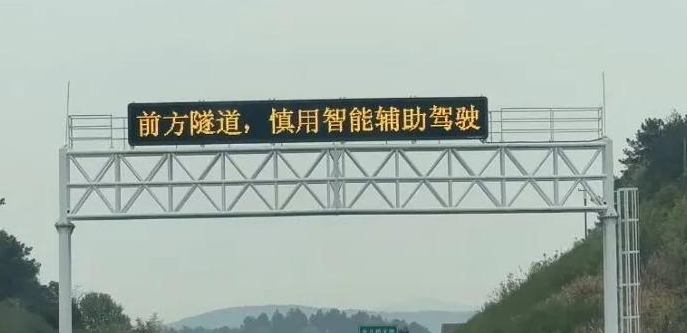
Group 1: Travel Experience - The journey from Hangzhou to Lianyungang, covering a distance of 565 kilometers, took significantly longer than usual, with 10 hours spent on the way there and 9 hours on the return trip, despite avoiding peak traffic [2][3][4] Group 2: Accidents and Driving Assistance - The primary reason for the extended travel time was the occurrence of multiple accidents, with at least six incidents encountered during the trip [4][5] - There was an increase in warnings related to "smart driving" on highways, indicating restrictions on the use of assisted driving due to road conditions and congestion [6][10] - The reliability of assisted driving systems remains questionable, as management appears to trust human drivers over artificial intelligence [10][11] Group 3: Charging and Operational Awareness - Charging was another significant factor contributing to the travel delays, with the experience of locating charging stations varying between trips [15][16] - Misunderstandings regarding charging types, such as the confusion between "fast charging" and "supercharging," highlight a lack of operational awareness among drivers and service providers [20][21][22] - The operational efficiency of charging stations could be improved by better signage and strategic placement of charging areas [22][25]