特斯拉全自动驾驶系统(FSD)

Search documents
黄仁勋的自动驾驶野心 美媒实测英伟达L2系统:特斯拉该紧张了
Feng Huang Wang· 2026-01-06 01:35
Core Insights - Nvidia is making significant investments in autonomous driving technology, aiming to compete with Tesla's Full Self-Driving (FSD) system [1][2][4] Group 1: Nvidia's Autonomous Driving System - Nvidia's new point-to-point L2++ level driving assistance system is set to launch in 2026, targeting a broader range of automakers [2][5] - The system demonstrated the ability to handle complex driving scenarios in San Francisco, showcasing its potential to rival Tesla's FSD [3][9] - Nvidia's automotive business, while currently small, is expected to grow as the company invests billions into developing a full-stack solution for autonomous driving [4][6] Group 2: Competitive Landscape - Nvidia's system is designed to be customizable, allowing automakers to define driving parameters, which can enhance the unique driving experience of different brands [7][8] - The company emphasizes that it is not trying to provide a one-size-fits-all solution but aims to make semi-autonomous driving accessible to consumers who need it [8] - Nvidia's system is reportedly close in performance to Tesla's FSD, with both systems requiring similar levels of human intervention during long-distance city driving tests [9]


特斯拉发“低价新车”,华尔街分析师怎么评价?
Sou Hu Cai Jing· 2025-10-08 02:52
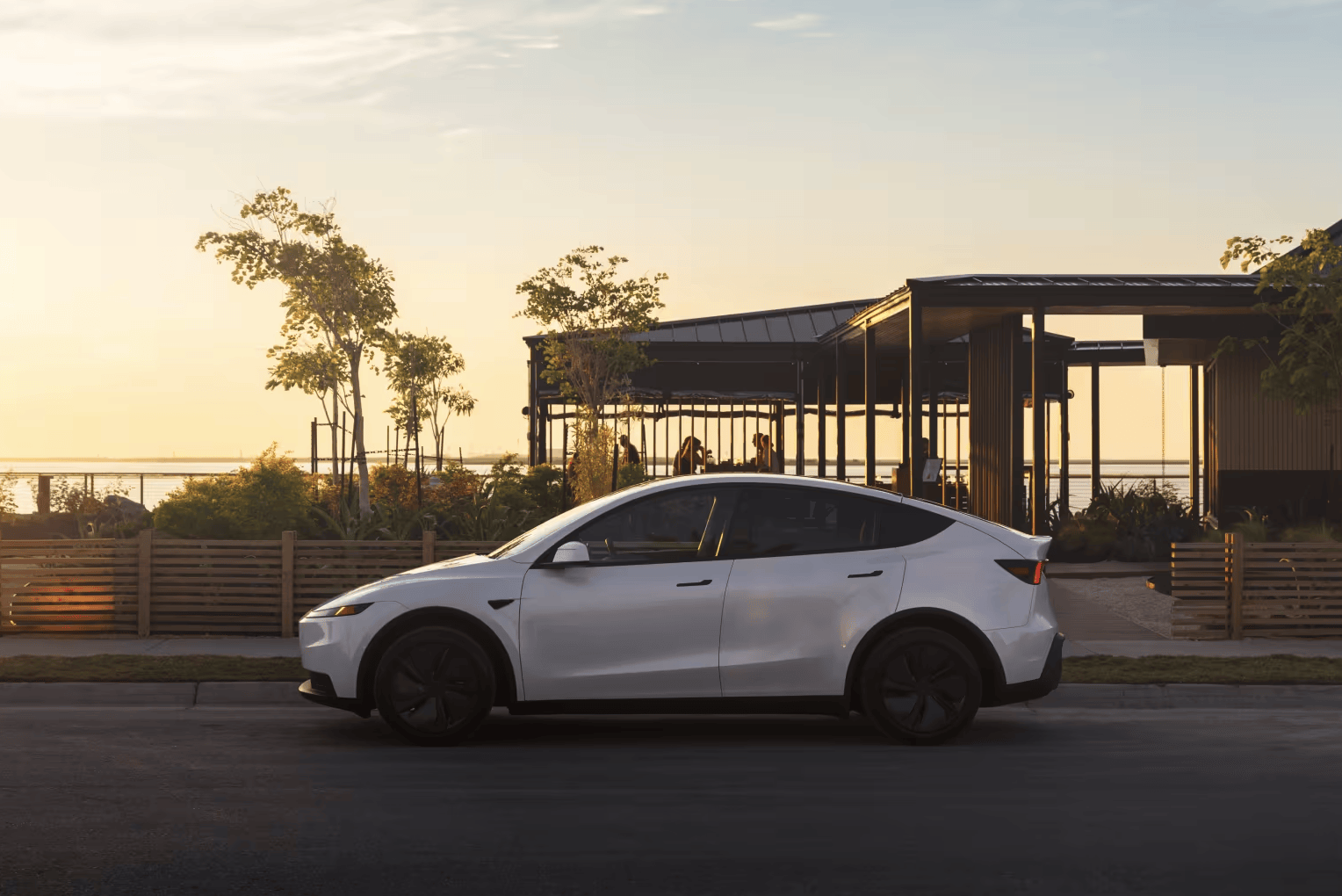
Core Viewpoint - Tesla has launched its cheapest models, the Model 3 Standard and Model Y Standard, priced at $36,990 and $39,990 respectively, which are approximately $5,000 cheaper than previous models, but with downgraded features. The market reaction has been mixed, with Tesla's stock dropping by 4.45% following the announcement [2]. Group 1: Analyst Reactions - Gene Munster from Deepwater Asset Management praised the new lower-priced models, stating they will enhance Tesla's competitive edge against more affordable offerings from rivals [2]. - Dan Ives from Wedbush Securities expressed disappointment, noting that while the lower-priced models are anticipated, they still remain relatively high compared to competitors. He believes these models could boost demand, especially with the expiration of EV tax credits, but he expected more significant price reductions [5][7]. - Ross Gerber criticized the new models, suggesting they dilute Tesla's luxury brand perception and likened the company more to Toyota than a luxury brand like Mercedes. He argued that the price reduction might harm sales of higher-priced models [7][9]. Group 2: Market Implications - Seth Goldstein from Morningstar indicated that the introduction of more affordable models could help Tesla mitigate the impact of the expiring EV tax credits, potentially increasing delivery volumes by making the vehicles accessible to a broader consumer base [10].