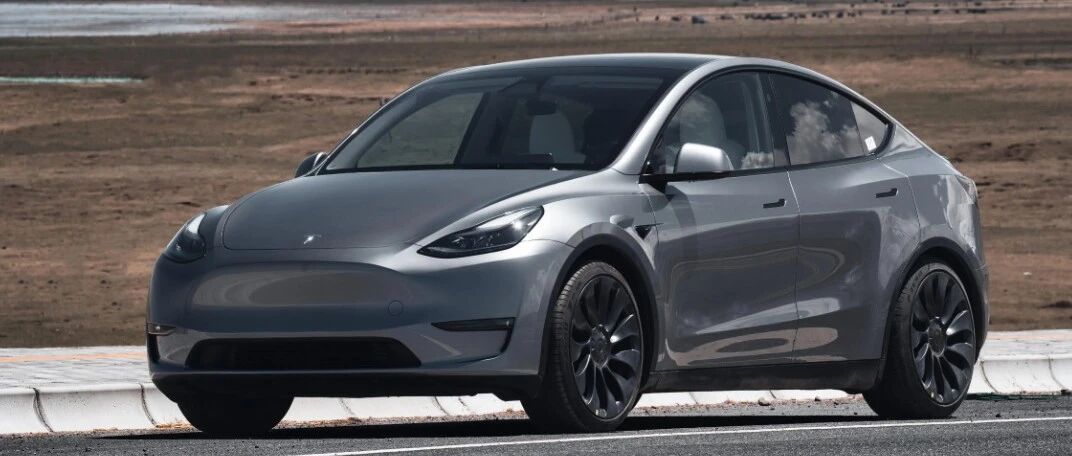
特斯拉HW3平台

Search documents
能看懂|讲清楚为什么刘延说特斯拉FSD是近200个小场景模型的组合
理想TOP2· 2026-01-21 08:10
Core Viewpoint - The article discusses the architecture and size of neural networks (NNs) in Tesla's Full Self-Driving (FSD) system, particularly focusing on the differences between HW3 and HW4 platforms, and the implications of these changes for the performance and capabilities of Tesla's autonomous driving technology [1][2][4]. Group 1: Neural Network Architecture - Node A in the HW4 platform contains 189 neural networks, while Node B has 110, with 61 networks shared between the two nodes [1][4]. - The total size of Node A in HW3 is 1.2 GB and Node B is 3.1 GB, while in HW4, Node A is 2.3 GB and Node B has increased to 7.5 GB [1][2]. - There are 135 neural networks shared between HW3 and HW4 in the current releases, indicating some level of continuity in the architecture [4]. Group 2: Implications of Neural Network Size - The increase in size of Node B in HW4 from 2.3 GB in v12.x to 7.5 GB in v13 suggests a significant expansion in the complexity and capabilities of the FSD system [2][4]. - The processing speed of HW3, which can run at 36 Hz, indicates that smaller models are being utilized, as larger models would exceed the available memory bandwidth [9]. - The engineering strength of Tesla is highlighted, suggesting that the smooth operation of the FSD system is not solely dependent on computational power but also on the optimization of the vehicle control operating system [9]. Group 3: Reverse Engineering Insights - The insights provided by the user green, who conducts reverse engineering on Tesla's firmware, reveal that there are indeed 189 distinct neural network files, supporting the claims about the architecture [5][6]. - Green's work indicates a complex relationship with Tesla, where his findings can both aid and disrupt Tesla's development rhythm [6]. - The existence of specialized end-to-end (E2E) networks for different driving scenarios suggests that the FSD system may not be as universally adaptable as some might believe [6][8].