
狗狗幼儿园服务

Search documents
不生孩子的韩国年轻人,花几千元送狗上学?
创业邦· 2026-01-29 00:08
Core Viewpoint - The rise of dog kindergartens in South Korea reflects changing societal values, where pets are increasingly viewed as family members, especially in a context of declining birth rates and a growing pet ownership culture [5][14][30]. Group 1: Pet Ownership Trends - South Korea has a low birth rate, leading to a significant increase in pet ownership, with 7.63 million dogs and cats owned by over 5.9 million households, making one-third of the population pet owners [14][30]. - The concept of "Pet family" (펫 팸족) has emerged, indicating a cultural shift towards treating pets as integral family members [14]. Group 2: Dog Kindergarten Characteristics - Dog kindergartens are proliferating in urban areas, often outnumbering human kindergartens, with many teachers transitioning from human education to pet care [9][14]. - Facilities offer various services, including socialization training, grooming, and even activities like yoga and reading for dogs, catering to the emotional and social needs of pets [20][22][28]. Group 3: Economic Aspects - The average monthly expenditure on pets in South Korea is approximately 194,000 KRW (around 922 RMB), with 20.6% of families spending over 250,000 KRW (1,188 RMB) [30]. - Dog kindergartens charge varying fees, with indoor facilities costing around 200,000 KRW (over 1,000 RMB) per month, while premium outdoor kindergartens can exceed 1,000,000 KRW (5,000 RMB) [18][30]. Group 4: Cultural Acceptance - The acceptance of dog kindergartens is high in South Korea, contrasting with perceptions in other countries where such practices may seem unusual [18][28]. - South Korea is recognized as a pet-friendly society, with laws supporting pet ownership and allowing pets in many public spaces, enhancing the overall pet care industry [30][32].


不生孩子的韩国年轻人,花几千元送狗上学?
36氪· 2026-01-28 13:35
Core Viewpoint - The rise of dog kindergartens in South Korea reflects changing societal values, where pets are increasingly viewed as family members, especially in a context of declining birth rates and a growing pet ownership culture [4][14][32]. Group 1: Dog Kindergartens in South Korea - Dog kindergartens are becoming more common in South Korea, with many communities having one or more such facilities, contrasting with the decline of human kindergartens [4][7][15]. - The number of pet families in South Korea is significant, with a report indicating that by 2025, there will be approximately 7.63 million dogs and cats owned by over 5.9 million households [14]. - The acceptance of dog kindergartens is high among South Koreans, with various types of facilities offering different levels of care and training for pets [19][21]. Group 2: Economic Aspects of Pet Care - The average monthly expenditure on pets in South Korea is projected to be 194,000 KRW (approximately 922 RMB), with 20.6% of households spending over 250,000 KRW (1,188 RMB) [32]. - Dog kindergartens charge varying fees, with indoor facilities typically costing around 200,000 KRW (over 1,000 RMB) per month, while high-end outdoor kindergartens can exceed 1,000,000 KRW (over 5,000 RMB) [19][20]. Group 3: Services Offered in Dog Kindergartens - Dog kindergartens provide a range of services, from basic care to socialization and skill training, including activities that help dogs adapt to various social situations [22][24]. - Some high-end kindergartens offer unique experiences, such as themed parties and special events, enhancing the emotional value for pet owners [25][30]. Group 4: Pet-Friendly Culture in South Korea - South Korea is recognized as a pet-friendly society, with comprehensive legislation protecting animals and allowing pets in many public spaces [32][34]. - The trend of pet-friendly facilities is also emerging in other countries, indicating a broader shift towards integrating pets into daily life [34].
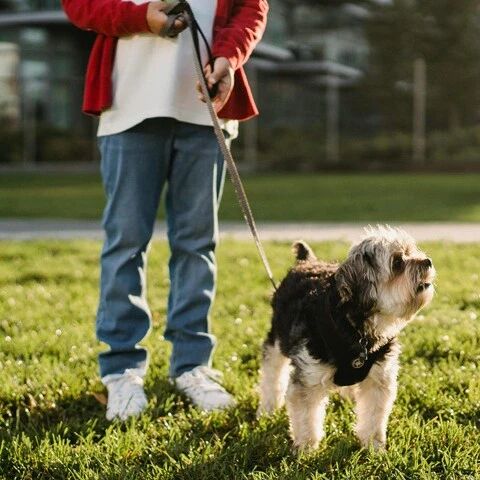
每月数千,健身上学,宠物新业态收割养宠人
Mei Ri Jing Ji Xin Wen· 2025-10-12 07:08
Core Insights - The pet service market in China is rapidly expanding, with a significant increase in specialized services such as professional hydrotherapy, daycare, and customized meal plans for pets [1] - The trend of pet humanization is becoming more pronounced, with over 70 million urban households in China owning pets, leading to increased spending on pet care services [1] - The ongoing consumption upgrade is driving the demand for professional and diversified pet services, indicating a substantial market potential in the pet economy [1] Industry Trends - The emergence of specialized pet services is redefining the relationship between pets and their owners, moving beyond basic care to include emotional and psychological fulfillment [1] - Monthly expenditures for pet owners often exceed several thousand yuan, reflecting a willingness to invest in comprehensive care options such as full-day daycare, professional training, and spa treatments [1] - The pet service market is witnessing a shift towards professionalization and segmentation, aligning with broader consumer trends in China [1]