宠物友好

Search documents
新春中国行丨“携宠团聚”成更多中国人过年新选择
Xin Hua She· 2026-02-23 08:59
Core Insights - The trend of including pets in family gatherings during the Chinese New Year is becoming increasingly popular among Chinese families, reflecting a shift in consumer behavior and family structure [3][7]. Industry Overview - The "pet economy" in China is experiencing significant growth, with the number of urban pets (dogs and cats) expected to reach 126 million by 2025, and the market size projected to grow to 312.6 billion yuan, potentially reaching 405 billion yuan by 2028 [5]. - During the recent New Year shopping season, there was a notable increase in the sales of pet-related products, with pet clothing, grooming, and toys seeing year-on-year growth rates of 115.60%, 40.35%, and 18.51% respectively, indicating a record high in consumption [5]. Consumer Behavior - Many pet owners are opting for services such as pet boarding and grooming during the holiday season, with demand for these services remaining high despite price increases [7]. - The integration of pets into family celebrations is becoming a norm, with pet care services being recognized as an essential part of holiday spending, showcasing a deep transformation in consumer attitudes towards pets as family members [7].

消费券撬动“马上有福”新场景 不老村春节假期接待游客6.9万人次
Xin Lang Cai Jing· 2026-02-23 07:19
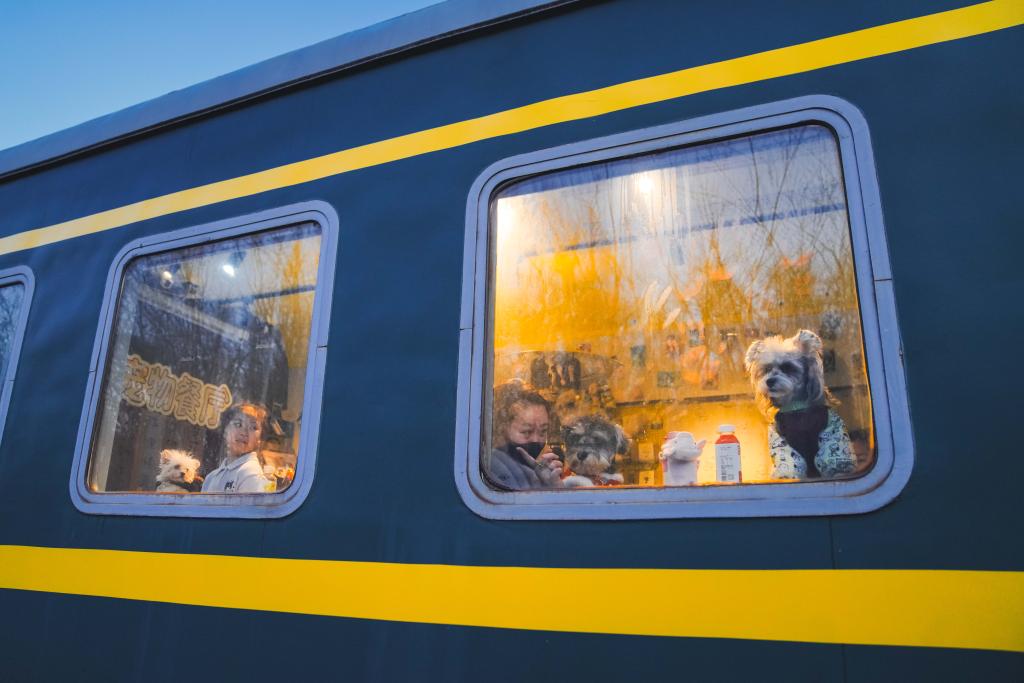
Core Insights - The integration of traditional culture and modern trends in the rural tourism sector of Nanjing's Jiangbei New District has led to a significant increase in visitor numbers and revenue during the Spring Festival [1][3]. Group 1: Visitor Engagement and Economic Impact - During the Spring Festival, the village received approximately 69,000 visitors, marking a 30% year-on-year increase [1] - The overall revenue for the village reached 700,000 yuan, reflecting a 40% increase compared to the previous year [1] - The introduction of 150,000 yuan in cultural tourism consumption vouchers significantly boosted visitor enthusiasm, particularly the popular accommodation vouchers [3] Group 2: Accommodation and Stay Experience - The overall occupancy rate of accommodations in the village was around 55% during the holiday period [3] - Some high-quality accommodations achieved full occupancy, with daily occupancy rates reaching 100% during peak times [3] - Visitors expressed satisfaction with the value of staying in the village compared to urban hotels, enhancing their overall experience [3] Group 3: Local Economic Activities - The "small courtyard economy" thrived during the Spring Festival, with local cafes, cultural shops, and hands-on experience activities attracting visitors [5] - Visitors engaged in traditional activities such as tea brewing and handicrafts, which extended their stay and increased spending on food and experiences [5] Group 4: Thematic Activities and Cultural Integration - The village organized various interactive activities themed around the Year of the Horse, combining traditional customs with modern pet culture [7] - Events included horse riding experiences and traditional lion dance performances, enhancing the festive atmosphere and visitor engagement [7] - The introduction of pet-friendly activities attracted pet owners, creating a new trend in holiday tourism [8] Group 5: Pet-Friendly Initiatives - The village launched a "Cute Pets Celebrate the New Year" theme, featuring health lectures and 3D printing services for pets [8] - A market area showcased pet-related products and cultural items, appealing to families with pets [8] - Visitors appreciated the opportunity to bring their pets along, enhancing their holiday experience [8]

“宠物友好”点亮文旅新景
Xin Lang Cai Jing· 2026-02-12 23:43
Core Insights - The article highlights the growing trend of pet-friendly tourism in Tianhuangping Town, particularly through the introduction of a dedicated "pet snow play area" at the Jiangnan Tianchi scenic spot, which has attracted over 60,000 visitors this winter, including more than 1,000 pet owners [1][2] Group 1: Pet-Friendly Initiatives - Tianhuangping Town has launched a "pet-exclusive snow play area" to cater to the increasing demand for pet-friendly experiences, featuring separate access paths for pets and well-equipped play spaces [1] - The initiative has resulted in a significant increase in visitor engagement, with over 60,000 tourists visiting the Jiangnan Tianchi scenic area this winter, and more than 1,000 of them bringing their pets [1] Group 2: Broader Pet Economy Impact - The town is focusing on integrating the pet economy with cultural and tourism sectors, creating a "pet-friendly" atmosphere across various local businesses, including cafes and restaurants that allow pets [2] - This strategy aims to transform ecological advantages into tourism development benefits, unlocking new consumer markets and promoting high-quality growth in the local tourism industry [2]
不生孩子的韩国年轻人,花几千元送狗上学?
创业邦· 2026-01-29 00:08
Core Viewpoint - The rise of dog kindergartens in South Korea reflects changing societal values, where pets are increasingly viewed as family members, especially in a context of declining birth rates and a growing pet ownership culture [5][14][30]. Group 1: Pet Ownership Trends - South Korea has a low birth rate, leading to a significant increase in pet ownership, with 7.63 million dogs and cats owned by over 5.9 million households, making one-third of the population pet owners [14][30]. - The concept of "Pet family" (펫 팸족) has emerged, indicating a cultural shift towards treating pets as integral family members [14]. Group 2: Dog Kindergarten Characteristics - Dog kindergartens are proliferating in urban areas, often outnumbering human kindergartens, with many teachers transitioning from human education to pet care [9][14]. - Facilities offer various services, including socialization training, grooming, and even activities like yoga and reading for dogs, catering to the emotional and social needs of pets [20][22][28]. Group 3: Economic Aspects - The average monthly expenditure on pets in South Korea is approximately 194,000 KRW (around 922 RMB), with 20.6% of families spending over 250,000 KRW (1,188 RMB) [30]. - Dog kindergartens charge varying fees, with indoor facilities costing around 200,000 KRW (over 1,000 RMB) per month, while premium outdoor kindergartens can exceed 1,000,000 KRW (5,000 RMB) [18][30]. Group 4: Cultural Acceptance - The acceptance of dog kindergartens is high in South Korea, contrasting with perceptions in other countries where such practices may seem unusual [18][28]. - South Korea is recognized as a pet-friendly society, with laws supporting pet ownership and allowing pets in many public spaces, enhancing the overall pet care industry [30][32].
不生孩子的韩国年轻人,花几千元送狗上学?
36氪· 2026-01-28 13:35
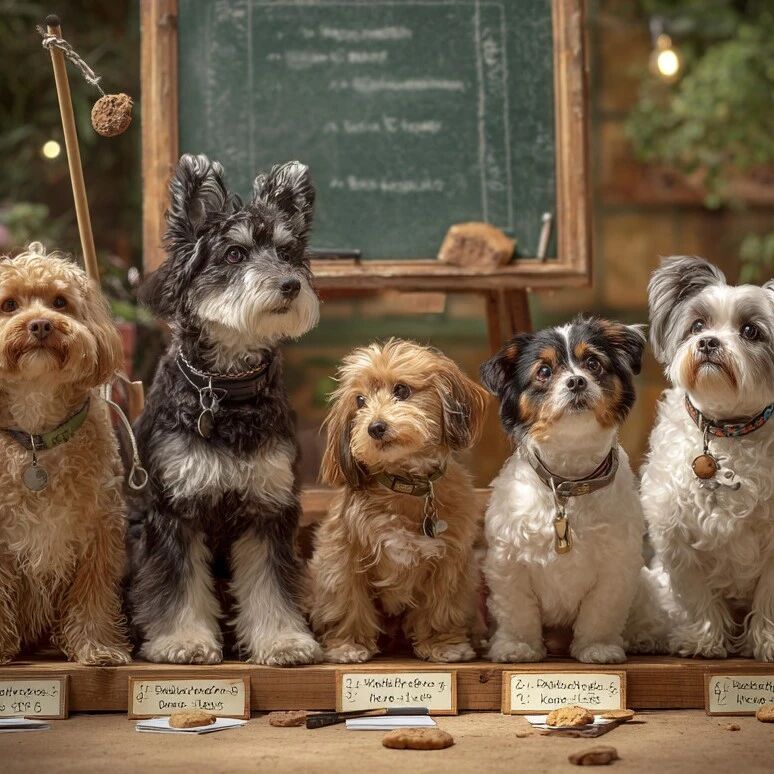
Core Viewpoint - The rise of dog kindergartens in South Korea reflects changing societal values, where pets are increasingly viewed as family members, especially in a context of declining birth rates and a growing pet ownership culture [4][14][32]. Group 1: Dog Kindergartens in South Korea - Dog kindergartens are becoming more common in South Korea, with many communities having one or more such facilities, contrasting with the decline of human kindergartens [4][7][15]. - The number of pet families in South Korea is significant, with a report indicating that by 2025, there will be approximately 7.63 million dogs and cats owned by over 5.9 million households [14]. - The acceptance of dog kindergartens is high among South Koreans, with various types of facilities offering different levels of care and training for pets [19][21]. Group 2: Economic Aspects of Pet Care - The average monthly expenditure on pets in South Korea is projected to be 194,000 KRW (approximately 922 RMB), with 20.6% of households spending over 250,000 KRW (1,188 RMB) [32]. - Dog kindergartens charge varying fees, with indoor facilities typically costing around 200,000 KRW (over 1,000 RMB) per month, while high-end outdoor kindergartens can exceed 1,000,000 KRW (over 5,000 RMB) [19][20]. Group 3: Services Offered in Dog Kindergartens - Dog kindergartens provide a range of services, from basic care to socialization and skill training, including activities that help dogs adapt to various social situations [22][24]. - Some high-end kindergartens offer unique experiences, such as themed parties and special events, enhancing the emotional value for pet owners [25][30]. Group 4: Pet-Friendly Culture in South Korea - South Korea is recognized as a pet-friendly society, with comprehensive legislation protecting animals and allowing pets in many public spaces [32][34]. - The trend of pet-friendly facilities is also emerging in other countries, indicating a broader shift towards integrating pets into daily life [34].
付费遛狗 宠主为啥乐意买单?
Xin Lang Cai Jing· 2026-01-16 22:12
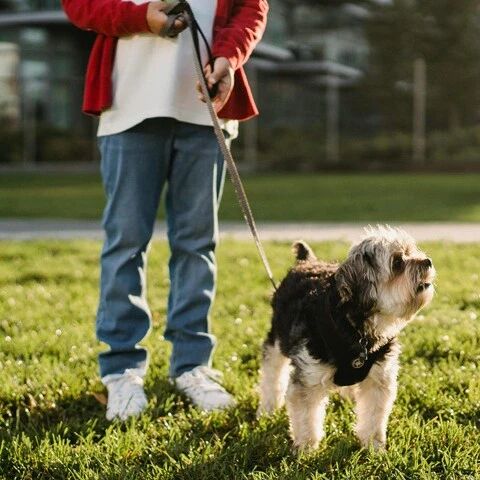
Core Insights - The pet economy in China is rapidly developing, with significant market potential as it is still in an upward phase [2][3] - The emergence of paid dog-walking parks addresses various pain points for pet owners, such as restrictions in public parks and safety concerns in open areas [2] - Canpet Dog Island Park in Chengdu is a notable example of a private pet park that offers a controlled environment for pets to play freely while providing amenities for pet owners [2] Summary by Sections Market Demand and Pain Points - The pet economy is experiencing growth, with increasing demand for specialized services like paid dog parks due to issues such as municipal restrictions and safety hazards in public spaces [2] - Canpet Dog Island Park, opening in November 2024, spans 1,800 square meters and features designated areas for pet activities, retail, and grooming services [2] Business Model and Revenue Generation - The park operates on a membership model, charging an annual fee of 499 yuan, which includes various perks for members [2] - The park's founder emphasizes that while the business appears straightforward, challenges exist, including high rental costs and community acceptance [2] - The primary revenue sources are content and experience, with a design structure that allocates space for interaction, public use, and commercial activities [2] Future Expansion and Opportunities - Canpet Dog Island Park is exploring cross-industry collaborations, developing a cultural IP and various products, and enhancing pet-friendly accommodations in hotels [2][3] - The focus is on continuously upgrading the park to meet consumer habits and emotional needs, aiming to create a model for pet-friendly urban environments [3]

“它经济”持续升温,成为消费领域新蓝海!上海市宠物经济消费调研报告出炉
Xin Lang Cai Jing· 2026-01-16 09:53
Core Insights - The report reveals significant changes and challenges in the pet economy of Shanghai, highlighting a shift in pet ownership from functional to emotional connections, with the market size surpassing 100 billion yuan [3][4]. Group 1: Consumer Behavior - Pet owners in Shanghai increasingly view pets as family members, with over 80% considering them emotional companions and willing to pay premiums for health, convenience, and experience [4][5]. - The demographic analysis shows that individuals born in the 1990s and 2000s account for over 80% of pet owners, indicating a trend of younger generations treating pets as children [4]. - Monthly pet spending averages between 500 to 1,000 yuan, with an estimated annual market size of 23 to 25 billion yuan [5]. Group 2: Spending Patterns - The largest portion of pet spending, approximately 70%, is allocated to staple food and snacks, with fresh food and customized diets experiencing the fastest growth [5]. - Health care represents the second-largest expenditure, accounting for about 20% of monthly spending, with an average single treatment cost of 385 yuan, leading to perceptions of high costs among over 77% of pet owners [5][6]. - Service experiences, including grooming, boarding, and training, make up around 10% of monthly spending, with non-essential services becoming increasingly viewed as necessities [6]. Group 3: Market Trends and Challenges - The pet economy in Shanghai is characterized by high market maturity, large consumption scale, and comprehensive business models covering the entire lifecycle of pets [6]. - Key challenges identified include insufficient service standardization, low transparency in medical services, and a shortage of professional talent [6]. - The concept of "pet-friendly" is gaining traction, with over 46 pet-friendly parks and shopping centers emerging, indicating a shift from concept to practice [6]. Group 4: Recommendations for Improvement - The Consumer Protection Committee suggests that service providers should enhance price transparency, particularly in the medical sector, and offer clear pricing and treatment plans [8]. - Recommendations include optimizing service models to provide one-stop services in community areas and upgrading service concepts to emphasize emotional value in services like photography and memorials [8]. - It is advised that brands improve product descriptions for better consumer understanding and establish physical connections through pop-up stores and partnerships with boutique pet shops [8].
2026,青岛刷新“逛街地图”
Xin Hua Wang· 2026-01-15 03:58
Core Insights - Qingdao's commercial landscape is undergoing a significant structural transformation as new commercial complexes, such as Sam's Club, are set to open in 2026, aiming to reshape consumer experiences and market dynamics [1] - The focus is shifting towards creating unique and differentiated shopping experiences to cater to increasingly diverse consumer demands, indicating a competitive advantage in niche markets [1] Group 1: New Commercial Developments - Sam's Club, the first in Shandong, is expected to open in the first half of 2026, covering an area of 69,000 square meters, with a shopping area of approximately 24,000 square meters, potentially altering Qingdao's commercial landscape [1] - The "Shangjie Li MALL," a renovation of the former Pacific Department Store, is set to open in summer 2026, focusing on youth-oriented themes like trendy toys and anime, with a total area of about 68,000 square meters [2] - The "Wumei Qingdao City Renewal Project," previously a Decathlon and B&Q site, will feature a commercial area of around 40,000 square meters, integrating various functions and leveraging proximity to the subway for a TOD model [2] Group 2: Consumer Trends and Experience - The current consumer landscape is characterized by a dual focus on emotional consumption and value-for-money, indicating a need for businesses to create engaging experiences that resonate with specific consumer segments [3] - Successful commercial spaces are increasingly focusing on "space + content + experience" integration, with systematic scene operations potentially leading to a rental premium of up to 34% [3][4] - The rise of "child-friendly" and "pet-friendly" initiatives in commercial spaces reflects a strategic shift towards catering to family-oriented consumers, enhancing the overall shopping experience [4][5] Group 3: Commercial District Evolution - The Fushan Bay commercial district remains a benchmark for Qingdao's retail landscape, housing 429 first stores and hosting over 100 high-end events annually, with a record sales figure of 430 million yuan in 2025 [6][7] - Emerging commercial districts, such as Wuyue Plaza and Jinmao Lanhui City, are gaining traction, with significant increases in foot traffic, indicating a shift in consumer behavior and preferences [7][8] - The evolution of commercial districts signifies a transition from mere shopping destinations to integrated lifestyle spaces that fulfill deeper emotional needs, reflecting a broader trend in Qingdao's commercial development [8]
最高规格、最强阵容、最全品类、最潮评选!“宠界奥斯卡”亮点抢先看
Nan Fang Nong Cun Bao· 2026-01-13 12:34
Group 1 - The event "Pet Industry Oscars" will take place from January 22 to 25 at Guangzhou Tower, marking a significant annual celebration for the pet industry in the Greater Bay Area [5][6]. - The event is organized by Southern Media Group and aims to set a new standard for pet industry gatherings, featuring authoritative endorsements and high-quality experiences [8][9]. - The event will include policy interpretations and industry evaluations, providing comprehensive support for the pet industry [10]. Group 2 - The event will gather top experts and influencers from the pet industry, including academic leaders and popular pet bloggers, to facilitate knowledge sharing and health checks for pets [18][20]. - There will be four professional forums covering key areas such as pet healthcare and senior pet health, catering to both industry professionals and pet owners [21]. Group 3 - The "Pet New Year Festival" will showcase a wide range of pet products from hundreds of companies, including innovative technology and festive food items [23][24]. - The event will feature numerous promotional activities, allowing attendees to purchase high-quality and cost-effective pet products conveniently [26][27]. Group 4 - The event will include interactive activities such as a pet sports competition and a photography contest, encouraging public participation and engagement [28][30]. - An annual awards ceremony will recognize outstanding achievements in the pet industry, with categories such as "Annual Innovative Technology Award" and "Annual Excellence Brand Award" [31][32]. - The event aims to highlight the growing integration of pets into urban life, promoting a vision of harmonious coexistence between humans and pets [34][35].

当越来越多“毛孩子”走进商场
Bei Jing Wan Bao· 2026-01-07 07:54
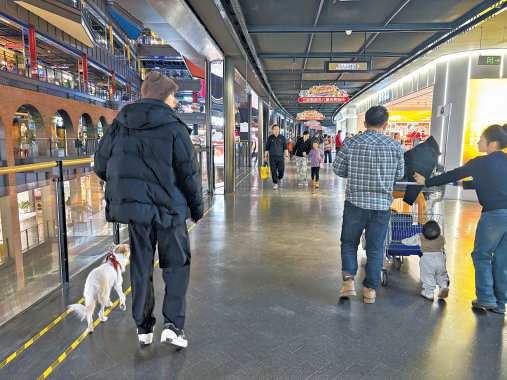
Core Viewpoint - The trend of "pet-friendly" shopping centers is emerging in Beijing, with over 30 malls adopting this label, but there are significant gaps in the actual implementation of pet-friendly facilities and management standards [1][4]. Group 1: Observations - The Box shopping center has become a popular spot for pet owners, featuring clear pet management guidelines and amenities such as pet strollers, free pet diapers, and drinking points for pets [3][4]. - Wanda Plaza in Dongba has also attracted pet owners with designated "dog parking" areas and pet toilets, enhancing the shopping experience for pet owners [4]. - Many pet-friendly malls are hosting weekend "pet markets" and introducing services like pet photography and baking, enriching the pet-friendly shopping experience [4]. Group 2: Controversies - Despite the pet-friendly labels, many stores within these malls do not allow pets, leading to confusion and frustration among pet owners [6][7]. - There are varying policies across different stores regarding pet entry, with some allowing only small dogs and others outright prohibiting pets [6][7]. - Concerns about safety and hygiene have been raised by parents, particularly regarding the potential for pets to disturb children or contaminate dining areas [7][8]. Group 3: Facilities and Management - Most pet-friendly malls lack comprehensive facilities, with only a few providing essential services like pet stroller rentals and drinking points [8]. - There is inconsistency in pet entry standards across malls, with some allowing pets of certain heights while others have no clear guidelines [8]. - Security personnel are often not present to enforce pet entry rules, relying instead on pet owners' compliance, which can lead to rule violations [9]. Group 4: Recommendations - To effectively balance the needs of pet owners and non-pet owners, malls should enhance their management practices by clearly defining pet-friendly and pet-restricted areas [10]. - Establishing strict entry standards and penalties for non-compliance can help ensure a more harmonious shopping environment for all customers [10].