玫瑰香皂

Search documents
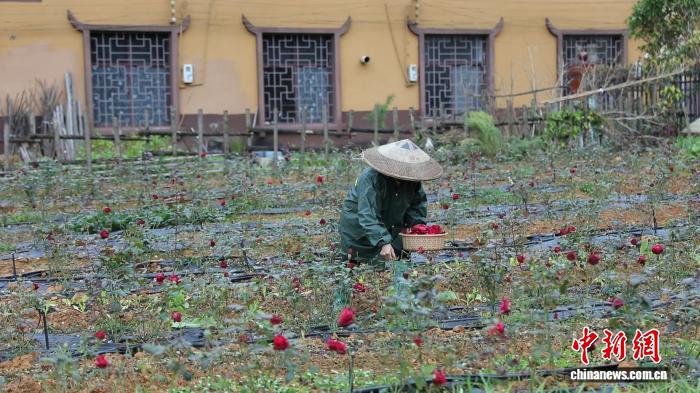
湖南江华水口镇小玫瑰撬动大产业 铺就乡村共富路
Zhong Guo Xin Wen Wang· 2025-11-20 10:47
Core Viewpoint - The article highlights the development of a unique edible rose industry in Shuikou Town, Jianghua, Hunan Province, which aims to transform local natural resources into economic benefits through innovative agricultural practices and community engagement [1][2]. Group 1: Industry Development - Shuikou Town is leveraging its favorable climate and soil conditions to cultivate the "Yanhong Rose," a variety known for its thick petals, strong fragrance, and high nutritional value, suitable for both culinary and medicinal uses [1]. - The local government and returning entrepreneurs are focusing on the edible rose as a niche market, avoiding competition with traditional ornamental roses, and have successfully attracted several well-known pharmaceutical companies for long-term procurement agreements [1][2]. Group 2: Value Chain Extension - The town is expanding its product offerings beyond raw materials to include rose-based personal care products like soaps and essential oils, as well as food items such as rose buns and jams [2]. - A circular agricultural model is being implemented, where by-products from rose cultivation, such as flower bases, are used as feed for free-range chickens, enhancing both ecological sustainability and economic returns [2]. Group 3: Economic Impact - The rose industry has established a clear mechanism to benefit local farmers, providing quality seedlings and technical support, with a guaranteed minimum purchase price of 10 yuan per pound for their products [2]. - It is estimated that a single rose plant can yield at least 1 pound annually, allowing farmers to earn approximately 20,000 yuan per acre, significantly improving local income and activating previously unused land [2]. Group 4: Future Plans - Plans are in place to expand the cultivation area from 115 acres to 2,000 acres and to build a standardized processing facility, aiming to create a comprehensive industry chain that includes planting, research, processing, sales, and tourism [4].

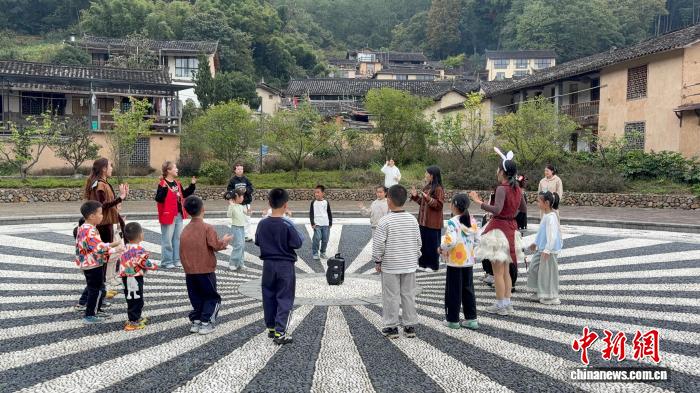
浙江县域观察:山村“文化种子”绽放“希望之花”
Zhong Guo Xin Wen Wang· 2025-11-17 12:30
Core Viewpoint - The article highlights the transformation of rural areas in Yunhe County, Zhejiang, through cultural initiatives that leverage local resources and heritage to drive economic development and community engagement [1][9]. Group 1: Cultural Initiatives - The cultural commissioner system in Zhejiang has led to the appointment of enthusiastic cultural representatives in Yunhe County, who are unlocking the potential of natural beauty and traditional skills to revitalize rural areas [1][9]. - In Huangchu Village, a partnership with Zhejiang Normal University focuses on children's literature as a means to explore new development paths for the village, enhancing its cultural richness [2][4]. - The establishment of children's literature workshops and cultural landmarks in Huangchu Village has attracted a community of writers and increased local engagement through various cultural activities [4][8]. Group 2: Economic Development - The cultural initiatives in Huangchu and Houshan villages have not only fostered a love for reading but also created economic opportunities for local residents through tourism and cultural events [5][7]. - In Chishi Village, the integration of local ecological resources into a "beautiful economy" has led to the development of cultural brands, attracting tourists and generating income for villagers [8][9]. - The success of cultural projects, such as the Rose Valley in Chishi Village, has resulted in increased visitor numbers, benefiting local businesses and encouraging young people to return to their hometowns for entrepreneurial opportunities [9][10].
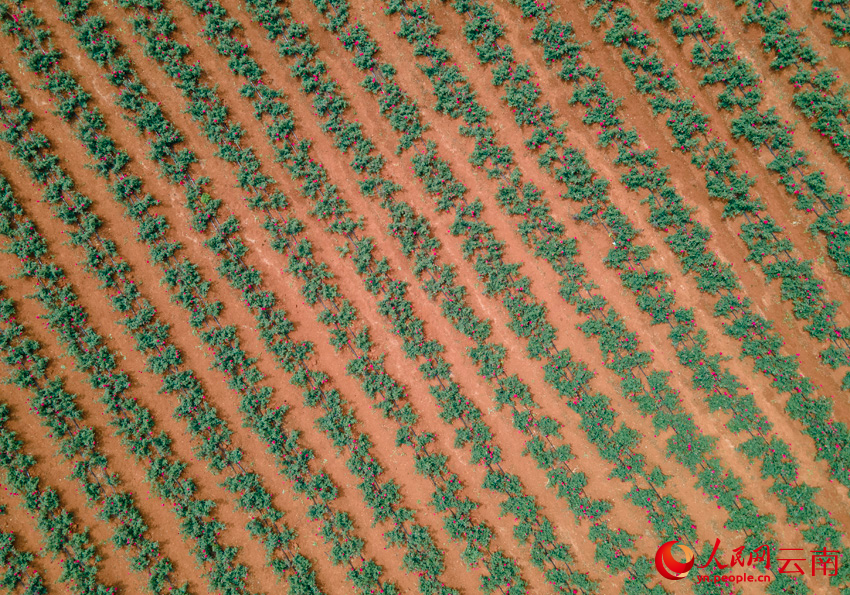
幸福花开小河边
Ren Min Wang· 2025-05-03 03:32
Core Insights - The article highlights the transformation of Xiaokebian Village in Yunnan Province through the cultivation of edible roses, leading to significant economic growth for the villagers [3][10][14] Economic Impact - The average annual net income of villagers increased from less than 4,000 yuan to over 60,000 yuan in 12 years due to the rose industry [3][10] - The village currently has over 3,500 acres of edible roses and 30 processing factories, with an expected comprehensive output value of over 100 million yuan in 2024 [5][10] Agricultural Development - The village's rose yield is more than double that of other regions in the province, with the first-year trial yielding two tons per acre and selling for up to 26 yuan per kilogram [7][9] - The establishment of a collective company in 2022 has led to large-scale cultivation and processing of roses, enhancing the village's bargaining power [9][10] Tourism and Community Growth - The village has developed a thriving tourism sector, with over 90,000 visitors during the "520" Rose Festival in 2024, contributing to local economic growth [10][11] - More than 300 former migrant workers and over 10 college graduates have returned to the village for entrepreneurship and employment opportunities [13] Industry Trends - Yunnan Province has a total flower planting area of 1.95 million acres, with a flower agricultural output value of approximately 48 billion yuan, reflecting a 28% year-on-year growth [14]