
环岛骑行

Search documents
新春走基层|马年春节,游客在潮汕“扎堆”
Xin Lang Cai Jing· 2026-02-22 08:40
Core Insights - The article highlights the vibrant atmosphere of the Spring Festival in the Chaoshan region, particularly in Shantou, showcasing a blend of cultural performances and local tourism activities [2][3]. Cultural Events - Various traditional performances, including the Yingge dance, Chao opera, and dragon and lion dances, are featured prominently in Shantou's cultural celebrations during the Spring Festival [2]. - The Yingge dance, recognized as a national intangible cultural heritage since 2006, combines elements of drama, dance, and martial arts, reflecting local folklore and historical figures [4]. Tourism and Economic Impact - The influx of tourists from various provinces, including Zhejiang, Sichuan, and Henan, indicates a growing interest in the region's cultural offerings [3]. - Local businesses, such as electric bike rentals, report significant increases in revenue during the holiday period, with one owner noting earnings of several thousand yuan over the festival days [3]. - The scenic 68-kilometer coastal cycling route on Nan'ao Island attracts visitors, enhancing the area's appeal as a tourist destination [3]. Cultural Heritage and Community Engagement - The Shantou government actively promotes the inheritance and development of the Yingge dance, integrating it into major festivals and facilitating performances abroad [6]. - Local villages on Nan'ao Island participate in cultural presentations, showcasing the community's vibrancy and the positive changes brought by rural revitalization efforts [6].

刚过去的国庆黄金周,年轻人的玩法变了
Xin Lang Cai Jing· 2025-10-13 06:05
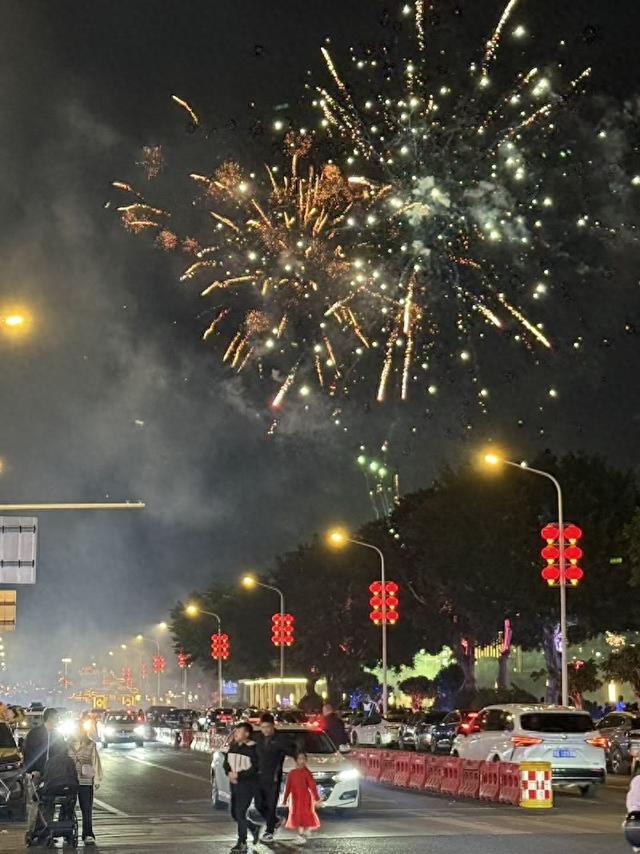
Core Insights - The "Super Golden Week" of 2025 saw a significant surge in domestic travel, with 888 million trips taken, an increase of 123 million compared to 2024, highlighting a strong recovery in the tourism sector [1] - Young people emerged as the primary demographic for travel during this period, with over 50% of flight and train ticket orders made by individuals aged 20-30 [1] Group 1: Travel Trends - The rise of "Wangnao Travel," a trend where young travelers prioritize emotional experiences over traditional sightseeing, reflects a shift in travel philosophy from "conquering" to "reconciling" [3] - Young travelers are increasingly avoiding physically demanding activities, opting for convenient options like cable cars and guided tours, with domestic car rental orders increasing by over 50% during the holiday [3][4] - Experience-driven activities such as island cycling and local crafts saw over 50% growth in orders, indicating a preference for immersive experiences rather than superficial sightseeing [4] Group 2: Destination Preferences - A dual trend emerged in destination choices, with major cities remaining popular while smaller towns gained traction among young travelers seeking unique experiences and affordability [5][6] - Major cities like Beijing, Chengdu, and Shanghai dominated the attraction rankings, with significant increases in tourist orders, while smaller towns like Enshi and Tai'an saw explosive growth in tourism orders, with some areas experiencing increases of up to 300% [5][7] Group 3: Night Economy - The "night economy" became a highlight of the holiday, with a 200% increase in searches for night activities, indicating a growing interest in experiences beyond daytime tourism [9] - Cities like Nanchang and Changsha emerged as hotspots for nightlife, with cultural performances and immersive night tours gaining popularity [9][10] - The rise of night tourism not only extended visitor stays but also enhanced the overall cultural experience of cities, with significant increases in attendance at night events and attractions [10] Group 4: Consumer Behavior - Young travelers are increasingly willing to pay for emotional and experiential value, moving away from traditional travel norms, and showing a preference for both urban and rural experiences [11][12] - The demand for personalized and emotionally resonant travel products is expected to shape the future of the tourism market, emphasizing the need for industry adaptation to meet evolving consumer preferences [11][12]