
甜醅子奶茶

Search documents
【新春走基层·欢乐闹新春】甜醅也时尚
Xin Lang Cai Jing· 2026-02-17 23:50
Core Insights - The restaurant "再回首" in Lanzhou has been recognized for its local specialties and has received multiple honors over the years, including "Twenty-Year Old Brand" and "Famous Trademark of Gansu Province" [1] - The restaurant has innovated its menu by combining traditional dishes with modern flavors, such as the introduction of sweet rice wine milk tea and a new dish called "老兰州四合" that combines four classic desserts into one bowl [1] - The restaurant is adapting to customer preferences by incorporating vegetables into its offerings, which has attracted younger diners and revitalized the brand [2] Group 1 - "再回首" has been in operation for 33 years and has consistently ranked on popular dining lists, showcasing its enduring appeal and commitment to quality [1] - The introduction of innovative dishes, such as the "老兰州四合," reflects the restaurant's strategy to blend traditional and contemporary culinary elements, enhancing its marketability to both locals and tourists [1] - The restaurant's manager highlighted the importance of adapting traditional recipes to modern tastes, which has led to the creation of new products that resonate with a broader audience [1] Group 2 - The restaurant has diversified its menu by adding vegetable dishes, which have proven popular among younger customers, thereby injecting new life into the brand [2] - The layout of the restaurant has evolved, with different locations catering to distinct customer bases, from local regulars to tourists seeking trendy dining experiences [2] - To expand its reach, the restaurant has begun offering delivery and shipping options, allowing traditional dishes to be enjoyed by customers outside of Lanzhou [2]
甜醅也时尚
Xin Lang Cai Jing· 2026-02-17 22:48
Core Insights - The restaurant "再回首" in Lanzhou has been recognized for its local specialties and has received multiple honors over the years, including "Twenty-Year Old Brand" and "Famous Trademark of Gansu Province" [1] - The company has innovated its menu by combining traditional dishes with modern flavors, such as the introduction of sweet rice wine milk tea and a new dish called "老兰州四合" that combines four classic desserts into one bowl [1] - The restaurant has adapted to changing consumer preferences by incorporating vegetables into its offerings, appealing to younger customers and revitalizing the brand [2] Menu Innovation - The introduction of new products like sweet rice wine milk tea and "老兰州四合" reflects the company's commitment to innovation while maintaining traditional flavors [1] - The "老兰州四合" dish combines four classic desserts, showcasing a blend of local and contemporary culinary practices [1] Customer Engagement - The restaurant has diversified its menu to include vegetable dishes, which have attracted a younger demographic and provided new energy to the brand [2] - Different store locations cater to varying customer bases, with community stores serving regulars and central locations attracting tourists [2] Expansion Strategies - The company is exploring delivery and shipping options to reach a broader audience, utilizing vacuum packaging and fresh delivery methods to make traditional dishes accessible to customers outside the local area [2]
年轻人正捧红一批“地域文旅奶茶”
Xin Lang Cai Jing· 2025-11-24 03:36
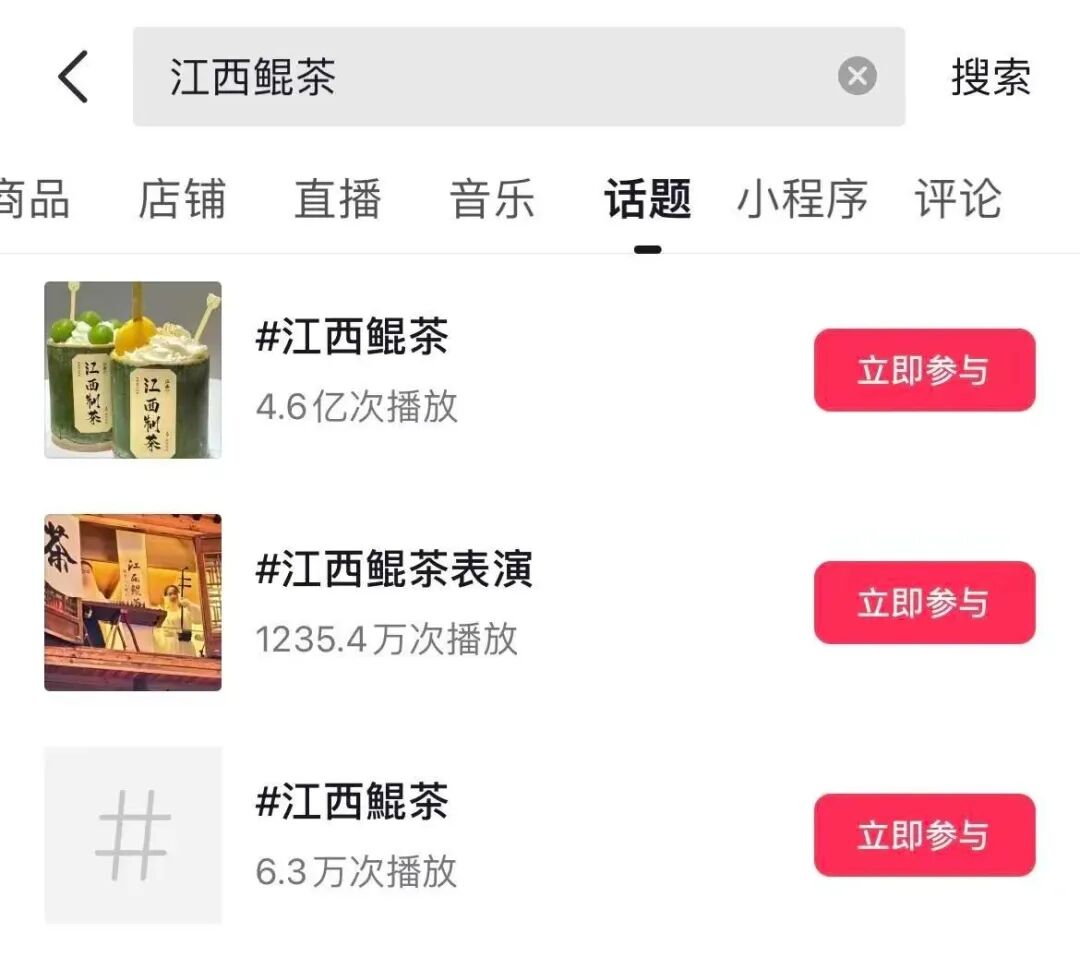
Core Insights - A new wave of tea shops focusing on "regional + cultural tourism" characteristics is gaining popularity, successfully expanding nationwide while traditional tea shops struggle with price wars [2][6][14] Group 1: Market Trends - The rise of tea shops like Jiangxi Kunchá and Yunglong Tea in Xuzhou showcases the success of integrating local culture and tourism into their branding, leading to significant social media engagement and sales [2][4][6] - Jiangxi Kunchá's Wan Shou Gong store reportedly achieves monthly revenues exceeding 1 million yuan, with a total of 20 locations established in various cities [4][6] - Yunglong Tea has opened 8 stores in Xuzhou, consistently ranking in the top three on local review platforms, indicating strong consumer demand [4][6] Group 2: Consumer Engagement - The popularity of these tea shops is driven by their ability to create immersive cultural experiences, appealing to young consumers who prioritize unique photo opportunities during their travels [2][6][11] - Social media platforms like Xiaohongshu and Douyin have seen significant discussions and views related to these tea brands, with Jiangxi Kunchá generating over 23,000 discussions and 460 million views on Douyin [2][4] Group 3: Product Innovation - Many of these tea shops incorporate local ingredients into their products, enhancing their connection to regional culture, such as Yunglong Tea's focus on Han culture and Jiangxi Kunchá's "Wagon Series" [12][13] - The use of local ingredients has been scaled, with brands like Quchashan utilizing nearly 1,000 tons of local materials in their products, showcasing a commitment to regional authenticity [12][13] Group 4: Competitive Landscape - The success of "regional + cultural tourism" tea shops has led to a surge in imitation stores, which often lack unique cultural elements and may face challenges in differentiation [14][17] - The industry is experiencing a trend of product and marketing homogenization, with many brands replicating popular items without innovation, leading to decreased consumer interest [17][18] Group 5: Strategic Collaborations - Collaborations with cultural tourism entities are becoming a strategy for brands to enhance their market presence, as seen with Yihe Tang's partnership with Handan tourism to create themed products [13][18] - Successful collaborations focus on deep cultural integration rather than superficial branding, as demonstrated by Bawang Chaji's engagement with local cultural performances [18]

新茶饮飘出西北味
Jing Ji Ri Bao· 2025-07-26 22:27
Core Insights - The article highlights the rise of "sweet chaozi milk tea" in Lanzhou, which combines local flavors with modern beverage trends, becoming a popular choice among consumers and a symbol of regional cultural identity [1][5][9] Group 1: Product Innovation - The "Fang Ha" tea brand successfully transformed traditional local ingredients like sweet chaozi and fermented vegetable water into modern drinks, achieving annual sales of over 5.3 million cups for sweet chaozi milk tea [5][11] - The development process involved overcoming initial skepticism and taste challenges, ultimately leading to a balanced flavor profile that resonates with local consumers [3][4] - New product innovations, such as "lemon mint fermented water" and "lemon cucumber fermented water," have been introduced to cater to younger consumers' preferences [4][11] Group 2: Market Expansion - "Fang Ha" has expanded to 133 stores across Gansu, Shaanxi, Qinghai, and Ningxia, indicating a growing market presence and demand for local flavors [5][10] - The brand's strategy includes integrating local cultural elements into its marketing, such as collaborating with local events like marathons to enhance brand visibility [9][10] Group 3: Cultural Integration - The tea brands emphasize the importance of cultural storytelling, positioning their products as not just beverages but as experiences that reflect the rich heritage of the Northwest region [9][10] - The "Ciyuan Tea House" initiative aims to modernize traditional Chinese medicine concepts, appealing to younger demographics while maintaining cultural authenticity [7][11] Group 4: Challenges and Future Outlook - The industry faces challenges in consumer acceptance of unique local flavors, as many consumers are accustomed to sweeter, more artificial tastes [11][12] - There is a need for continuous innovation and education to bridge the gap between traditional flavors and modern consumer preferences, ensuring sustainable growth in the market [10][11]
茶饮喝出新滋味
Jing Ji Ri Bao· 2025-07-18 21:56
Core Insights - The tea beverage industry is experiencing a surge in popularity, particularly with the integration of local ingredients and traditional snacks, creating unique flavors that appeal to a wide audience [1][2][3] Group 1: Product Innovation - The company "放哈" has successfully combined traditional local ingredients like sweet fermented milk tea and fermented vegetable water to create innovative drinks that are refreshing and beneficial for health [1][2] - Daily sales of sweet fermented milk tea reach approximately 30,000 cups, with over 5.3 million cups sold last year, while the fermented vegetable water series averages 5,000 cups daily during its seasonal availability [2] - Other brands, such as "兰与茶," are also innovating by incorporating local specialties like quinoa and rose into their tea products, resulting in a variety of unique offerings [3] Group 2: Health and Wellness Focus - The "慈茶馆" emphasizes health by using traditional Chinese medicine principles in their drink formulations, featuring ingredients like astragalus and angelica, aiming to introduce young consumers to traditional wellness practices [4][5] - The brand's approach is to create "drinkable ancient formulas," leveraging local medicinal herbs to promote a culture of health and wellness through tea [4] Group 3: Market Expansion - "放哈" has expanded its presence across four provinces in Northwest China, with a total of 133 stores, indicating a growing market footprint [2] - The collaboration between "慈茶馆" and the Gansu Provincial Museum highlights efforts to blend traditional culture with modern consumer products, enhancing brand visibility and cultural significance [5]