生鲜即时配送

Search documents
美团吃掉叮咚,外卖大战变天
36氪· 2026-02-06 10:11
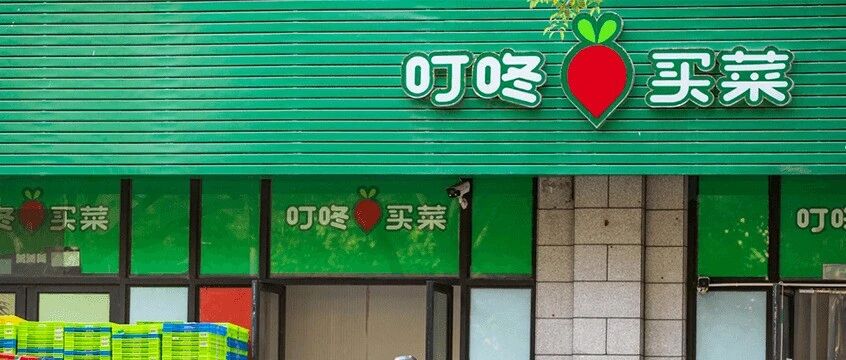
Core Viewpoint - Meituan's acquisition of Dingdong Maicai marks a significant shift in the fresh e-commerce landscape, indicating a trend towards consolidation among major players in the industry [3][44]. Acquisition Details - On February 5, Meituan announced it would acquire 100% of Dingdong Maicai's China business for approximately $717 million, slightly above Dingdong's market value of $694 million at the time [5][6]. - Dingdong Maicai's overseas operations will not be included in this transaction, which will allow shareholders to receive a total return of about $997 million due to $280 million in cash available to the seller [8]. Market Dynamics - The acquisition is seen as a strategic move for Meituan to rapidly expand its front warehouse scale and enhance its position in the fresh food delivery market, with both companies expected to operate over 2,000 front warehouses combined [11][12]. - The deal could lead to Meituan controlling over 50% of the market share in front warehouses, potentially triggering antitrust scrutiny [13]. Strategic Rationale - Dingdong Maicai has been recognized for its operational efficiency and profitability, maintaining profitability for seven consecutive quarters and achieving record GMV and revenue in Q3 2025 [16]. - The acquisition allows Dingdong Maicai to "cash out" at a high valuation, avoiding future risks of being marginalized by larger competitors [17]. Competitive Landscape - The acquisition is part of a broader trend where smaller players in the fresh e-commerce sector are being absorbed by larger companies, indicating a challenging environment for independent startups [39][43]. - Meituan's move is also seen as a defensive strategy to prevent competitors like JD and Alibaba from acquiring Dingdong Maicai, which could have increased their competitive advantage in the fresh food sector [27]. Future Implications - The acquisition signifies a new phase in the "infrastructure competition" of the food delivery war, with a focus on core infrastructure, supply chain capabilities, and user experience [44]. - The survival space for independent fresh e-commerce companies is expected to shrink further, with potential targets like Pupu Supermarket facing increased pressure from giants like Meituan and Alibaba [40][43].