电子束检测设备

Search documents
【招商电子】PCB行业跟踪报告:产业协同助力AI PCB加速升级,上游涨价与产能扩张成行业底色
招商电子· 2026-03-30 14:12
Core Viewpoint - The article highlights the significant growth potential in the PCB industry driven by AI advancements and the increasing demand for high-end PCB products, emphasizing the need for capacity expansion and technological upgrades across the supply chain [1][5]. Group 1: Industry Trends - The 2026 International Electronic Circuit Exhibition focused on "PCB+AI: Next Generation Packaging," showcasing 839 companies and emphasizing technological innovation and sustainable development [1]. - The demand for AI high-end PCBs is leading to a tight supply of processing capacity, prompting PCB manufacturers to prioritize resource allocation towards AI data communication [1]. - The supply chain for PCB and CCL (Copper Clad Laminate) is experiencing structural mismatches due to high demand and the lengthy expansion cycles for high-end capacity, which take approximately 18-20 months [1]. Group 2: Material and Equipment Innovations - The exhibition discussions centered on addressing challenges in processing and efficiency for AI-related materials, with a notable increase in the use of Q fabric, PTFE, and silicon powder in high-speed CCLs [2]. - New materials, such as quartz-like glass cloth, are being proposed to overcome production bottlenecks, with ongoing engineering validation [3]. - The industry is entering a new pricing phase, with expectations of price increases exceeding 20% for PCBs and CCLs, driven by rising demand and supply constraints [3]. Group 3: Market Dynamics - The AI PCB market is expected to see a "many entrants, few survivors" scenario, with high-end capacity becoming a critical competitive factor [5]. - The expansion of high-end capacity is projected to continue for approximately three years, with a current scarcity of reliable high-end computing capacity [5]. - The article suggests that the PCB industry is experiencing a phase of fragmentation due to rapid technological advancements and high demand in the AI sector [5].


开源证券:供应链安全事件催化 半导体材料/设备自主可控有望提速
智通财经网· 2026-01-08 03:12
Group 1 - The core viewpoint of the report is that external risks are strengthening the demand for domestic solutions, while internal capacity expansion lays the foundation for growth in the semiconductor materials and equipment sector, potentially accelerating self-sufficiency [1] - The investment logic for semiconductor materials and equipment has formed a "dual drive" due to increasing geopolitical risks and concerns over supply chain security [1][2] Group 2 - The domestic advanced process and memory expansion have high certainty, opening up growth opportunities for upstream stocks, driven by supply chain security anxiety and the urgency for domestic solutions, especially in critical areas [3] - Recent capital movements, such as Longxin's IPO aiming to raise approximately 30 billion yuan and SMIC's Southern factory increasing investment by over 7 billion USD, indicate a comprehensive acceleration in capital layout [3] Group 3 - Domestic materials have transitioned from "single-point breakthroughs" to a critical stage of "systematic support," with a focus on photolithography materials, where the domestic market share remains low [4] - The ban on exports to Japan is expected to enhance the willingness of downstream manufacturers to validate domestic suppliers, leading to increased demand for domestic materials [4] Group 4 - Coating and developing equipment, as well as backend testing equipment, are expected to benefit from the current market dynamics, with domestic companies gradually entering high-end testing fields [5] - The domestic market for coating and developing equipment is projected to reach 14 billion yuan, with significant room for domestic substitution [5] Group 5 - Beneficiary companies in the materials sector include Tongcheng New Materials, Jingrui Electric Materials, and others involved in photolithography, while in the equipment sector, companies like Changchuan Technology and Huafeng Measurement Control are highlighted [6]
芯片设备三巨头:最新观点
半导体行业观察· 2025-09-21 02:59
Core Viewpoint - The semiconductor equipment industry is undergoing a significant transformation driven by differing technological perspectives among major players, with implications for growth and competition in the market [2][4][10]. Group 1: Company Perspectives - Applied Materials' CEO Gary Dickerson predicts "low single-digit growth" for the wafer fabrication equipment market, reflecting a cautious stance on the future of technology development, particularly in advanced packaging technology [4]. - KLA Corporation's CFO Bren Higgins anticipates "mid-single-digit growth," emphasizing the increasing importance of advanced process control and inspection technologies as semiconductor processes become more complex [5]. - Lam Research's CFO Doug Bettinger avoids numerical predictions, indicating a strategic flexibility as the company navigates multiple technology directions, including 3D NAND and advanced logic architectures [6]. Group 2: Market Dynamics - The semiconductor equipment industry is experiencing a shift from a purely technical competition to a complex competition that includes political risk management, influenced by geopolitical tensions and market restructuring [13]. - Applied Materials has seen its revenue from China plummet from 32% to 18%, losing not only income but also critical opportunities for technological development in the largest semiconductor market [8]. - KLA Corporation faces a $500 million loss, but the more significant concern is the potential fragmentation of global technology standards as Chinese fabs seek alternative solutions [9]. Group 3: Technological Challenges - AI chip manufacturing presents unprecedented challenges, requiring advanced integration techniques and stringent defect detection capabilities, which KLA is well-positioned to address with its advanced inspection technologies [11]. - Lam Research's focus on 3D architectures aims to reduce power consumption in AI model training, necessitating complex etching and deposition processes that push the boundaries of semiconductor manufacturing [12]. - The competition among these companies reflects their differing strategies: Applied Materials bets on packaging technology, KLA on the growing need for inspection, and Lam Research on maintaining strategic options [13].


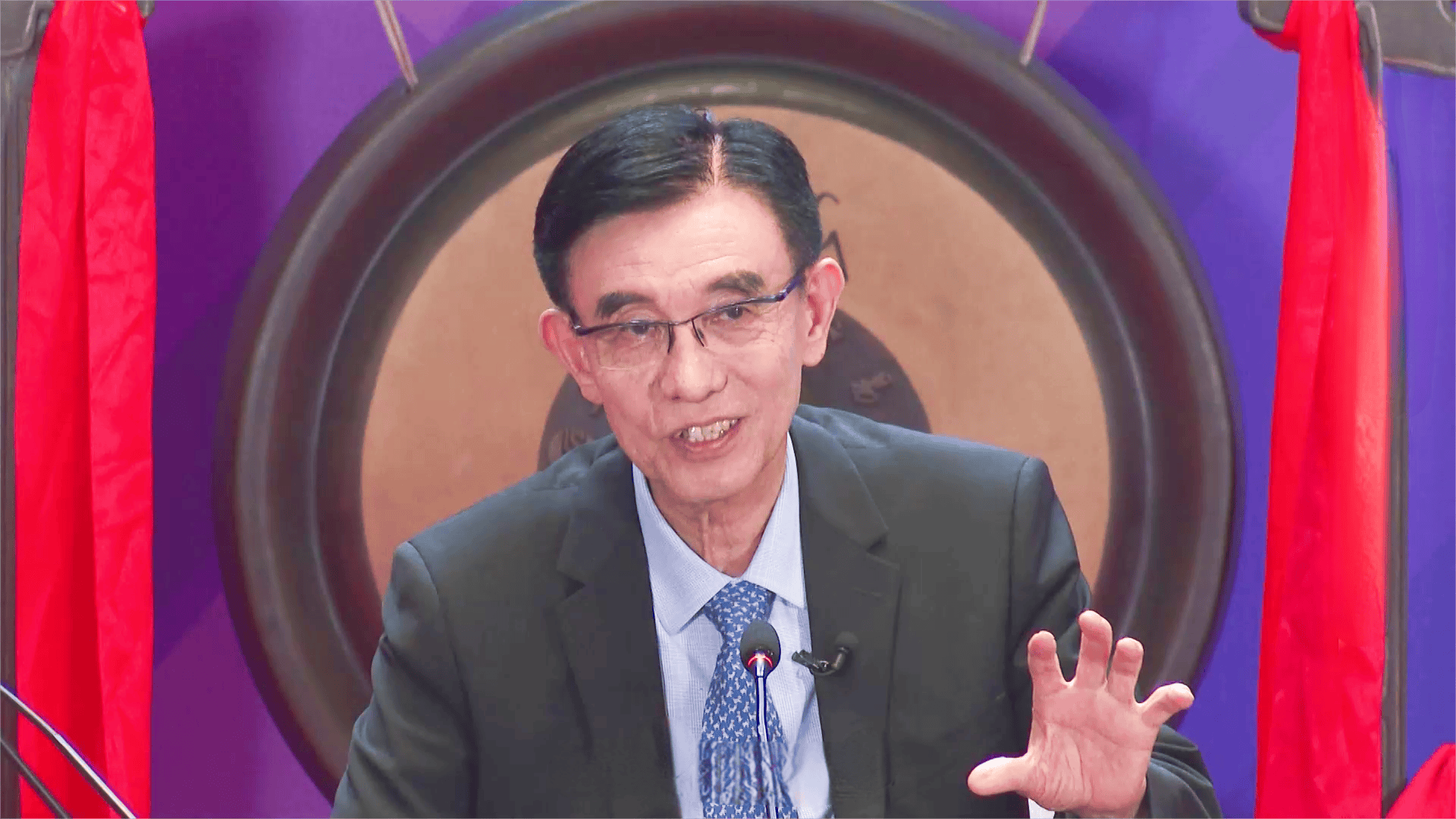
突发!国产芯片设备巨头中微公司董事长尹志尧放弃美国籍,恢复为中国国籍|硅基世界
Sou Hu Cai Jing· 2025-04-19 06:19
Core Points - The founder and chairman of Zhongwei Semiconductor, Yin Zhiyao, has renounced his U.S. citizenship and restored his Chinese nationality, as reported in the company's annual report [2][4] - The change in nationality is speculated to be related to U.S. export control measures affecting semiconductor manufacturing support for entities in China [4][5] Company Overview - Zhongwei Semiconductor, founded by Yin Zhiyao in 2004, is a leading supplier of etching and deposition tools in China and has been a key player in the semiconductor equipment sector [4] - The company reported a revenue of 9.065 billion yuan in 2024, representing a year-on-year growth of 44.7%, with etching equipment contributing over 7.2 billion yuan, a 54.7% increase [6] - The average annual compound growth rate of Zhongwei's revenue over the past four years has exceeded 40% [6] Financial Performance - In 2024, Zhongwei's net profit was approximately 1.616 billion yuan, a decline of 9.5%, primarily due to a significant increase in R&D expenses, which reached 2.45 billion yuan, up 94.3% [6] - The company's non-GAAP net profit was about 1.388 billion yuan, reflecting a growth of 16.5% [6] R&D and Product Development - Zhongwei has accelerated its new product development process, reducing the typical timeline from three to five years to less than two years for competitive new equipment [6] - The company aims to enhance its electronic beam detection equipment to address industry gaps, with a target of achieving 100% self-sufficiency in domestic key components by the end of Q3 2024 [8] Corporate Actions - On April 18, Zhongwei announced plans to increase capital in its subsidiary, Super Micro Semiconductor Equipment, with a total registered capital of 160 million yuan post-increase [7] - This capital increase involves contributions from various stakeholders, including Yin Zhiyao, who plans to invest an additional 10 million yuan [7]