电池护照平台

Search documents
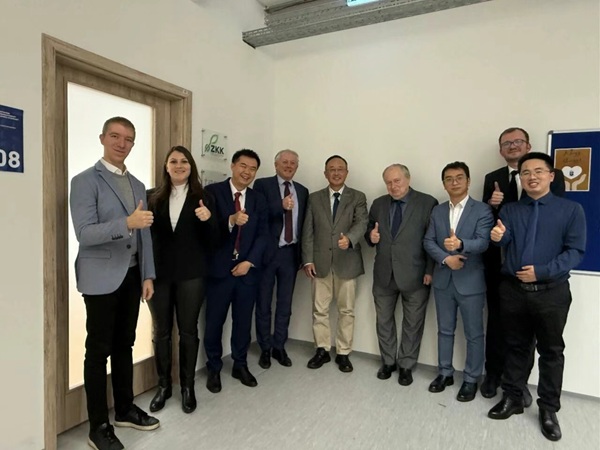
欣旺达:与匈牙利电池联盟深度对话 共探电池护照与可持续发展合作新路径
Zhong Guo Qi Che Bao Wang· 2025-12-24 10:59
Group 1 - The core discussion focused on the implementation of battery passports and sustainable development in the battery industry, establishing a cooperative bridge between China and Central Europe [1][3] - Liang Rui shared insights on the latest developments in the global and Chinese battery industry, including breakthroughs in solid-state batteries and ultra-fast charging technologies, as well as the consensus reached at the Global Battery Alliance (GBA) 2025 annual conference [3] - The company has made significant progress in sustainable development, including the promotion of green electricity and energy-saving projects, and has developed a battery passport platform that manages the entire lifecycle and carbon footprint [3] Group 2 - HUBA, as a key organization for the development of Hungary's local battery industry, expressed strong willingness to collaborate and recognized the company's advanced experience in battery digital compliance and GBA pilot operations [3][4] - Both parties agreed to establish a regular communication mechanism for the implementation of EU battery regulations and precise carbon footprint accounting, enhancing information exchange and experience sharing [3][4] - The dialogue addressed the strategic value of new energy storage industries amid global energy structure adjustments, with a focus on expanding hydrogen storage technology applications and improving safety regulations [4]


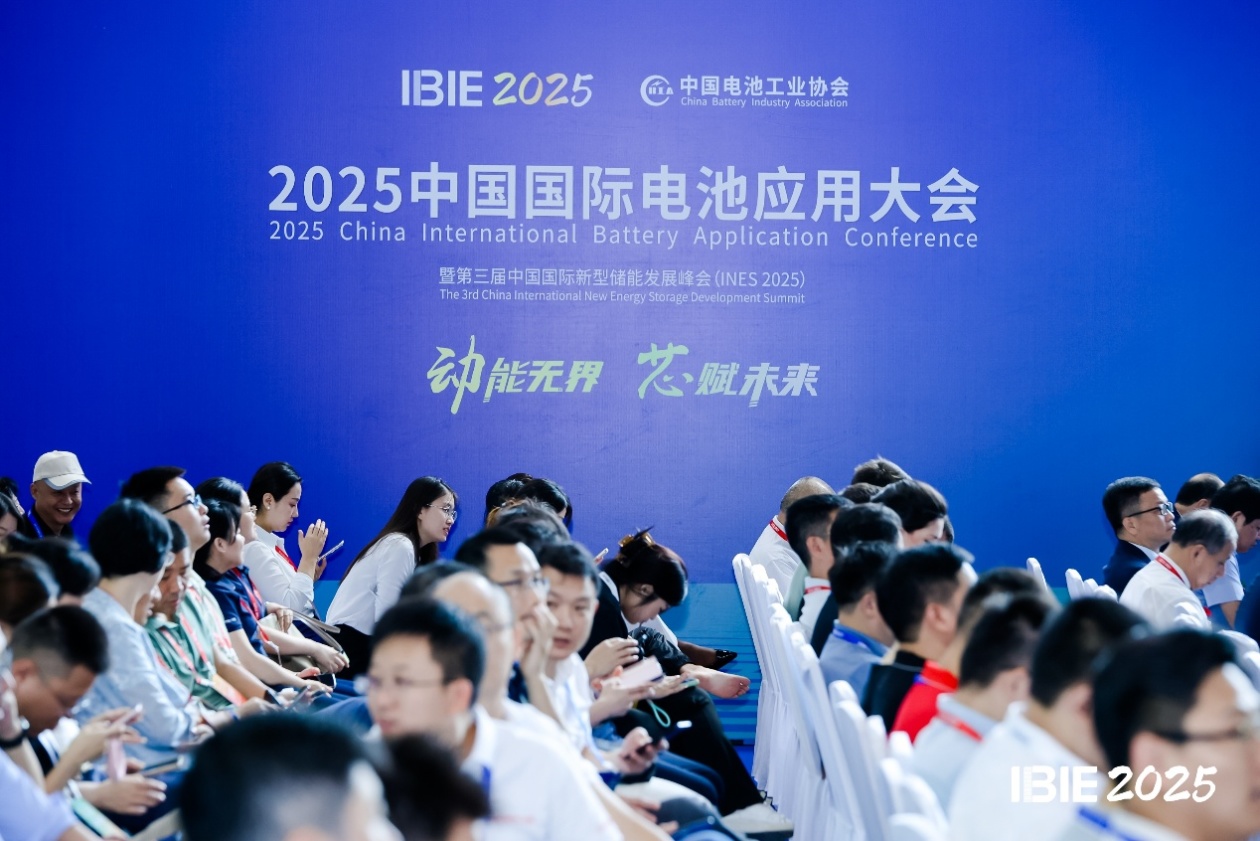
从IBIE 2025看下一代电池竞争锚定:价格战或退潮,场景战将成主战场
Huan Qiu Wang· 2025-10-14 01:53
Core Insights - The Chinese battery industry is transitioning from a focus on production capacity to a focus on value-driven solutions, emphasizing innovation and collaboration to build a healthy industrial ecosystem [1][3][10] Industry Trends - The industry is entering a new phase driven by emerging demands in sectors such as energy storage, electric shipping, low-altitude aircraft, and smart elderly care robots, shifting competition from capacity to scene-based solutions [3][6] - The past decade saw China achieve a leading global market share through capacity expansion and cost advantages, but concerns over low-end capacity surplus and homogenization have emerged [3][7] Technological Innovations - The industry is diversifying its technological routes to meet specific scene requirements, moving away from a one-size-fits-all approach [6][7] - Innovations such as the "600Wh/kg hydrogen hybrid power system" and water-based iron-nickel batteries are being developed to address specific needs in low-altitude and long-duration energy storage applications [6][7] R&D Transformation - The integration of artificial intelligence in battery material development is expected to reduce the traditional three-year R&D cycle to six months, enhancing the industry's ability to respond to customized scene demands [8][9] Competitive Landscape - Future competition in the battery sector will not only focus on technology and products but also on data management, carbon management, and lifecycle services, with "battery passports" becoming a critical component [9][10] - Compliance with new regulations, such as the EU's battery passport requirement, poses challenges for Chinese battery companies, including high compliance costs and supply chain transparency issues [9][10]